The Biggest Productivity Hack Is Culture, Not AI, an Engineering Leader Argues
Gregor Ojstersek's new essay argues that AI only amplifies what an organization already has: bad communication gets worse, while a healthy team turns the same tools into real gains.
Culture first, tools second
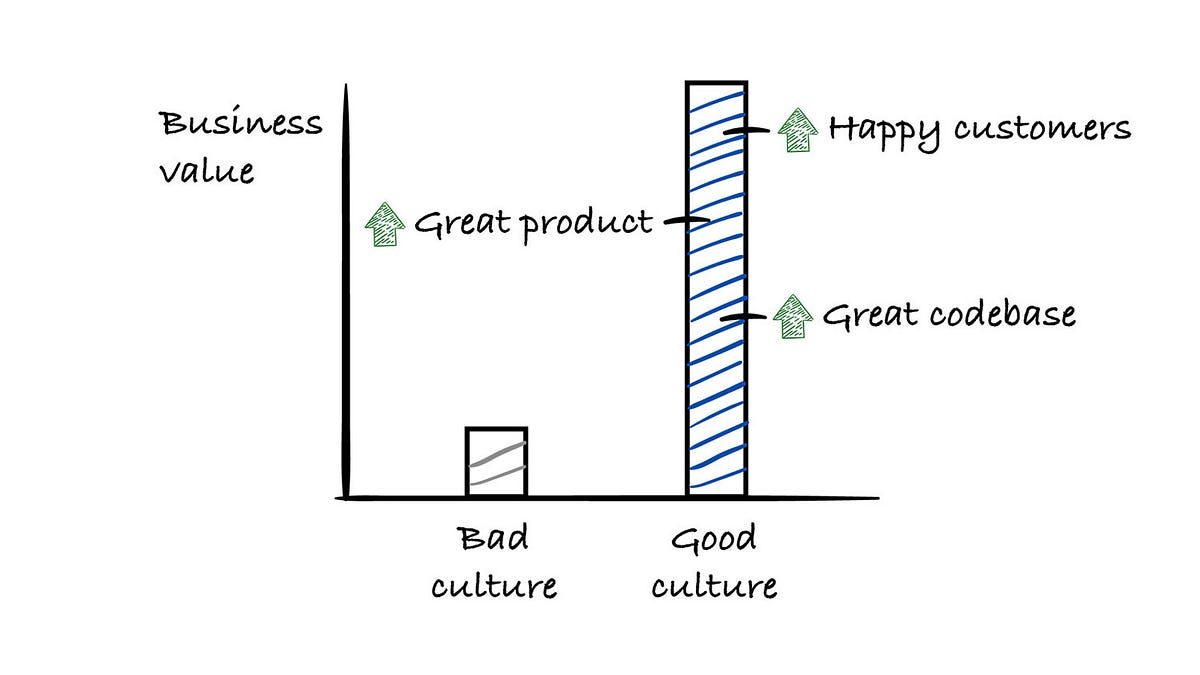
In a new essay, engineering leadership writer Gregor Ojstersek argues that the industry is talking far too much about AI tools and far too little about the environment they are used in. Drawing on more than 13 years in engineering, including time as an engineer and an engineering manager, he states the thesis plainly: there is no better productivity hack than a great culture, and no AI tool will deliver a bigger gain.
His sharpest warning concerns a sentence he says he heard repeatedly in 2025 and early 2026: "This is very easy to build now that we have AI, and we don't need as many people." Coming from a CEO, CPO or CTO, it drains psychological safety, he writes, because people start wondering whether they will still be needed.
Why AI amplifies whatever already exists
Ojstersek leans on Conway's law — the observation that organizations are constrained to produce designs that copy their own communication structures — to argue that the end product mirrors the culture. If teams communicate badly, the product is bad; if they work together well, it tends to be good. He compares culture to health: without it, nothing else can be done well.
AI does not change that equation so much as multiply it: poor communication and poor architecture get worse, while a healthy team with clear architecture gives the model a better blueprint of what good looks like. Without solid processes, everyone simply moves in the wrong direction faster.
For teams unsure where they stand, the essay offers questions to answer: do people know what they are responsible for; can they decide without unnecessary approvals; do they feel safe challenging leadership; do teams trust each other; are priorities clear; can people disagree constructively; do we reward outcomes; do people understand why they are building something; and do we learn from failures or look for someone to blame.
FOMO, incentives and messaging
The essay also warns executives against panic buying. When leaders read that a competitor is "10x more productive" with some tool, they begin blaming their own teams, which signals distrust — and engineers feel it first. Many such claims, he notes, come from parties selling the product or a partnership, so the incentives behind a number deserve scrutiny before it turns into policy.
On adoption, his advice is to stop framing AI as a replacement and present it instead as one more tool, the way engineers once learned version control or cloud platforms: good engineers learn the tools that help them do the work better. Adoption, he insists, works bottom-up rather than top-down, and "AI adoption is not a tooling problem, it's a leadership problem". The goal, he adds, should be business outcomes rather than usage metrics.
The question worth asking
Ojstersek, who argued in July 2025 that companies should hire more engineers in the age of AI, stands by that position: with good culture in place, more people compound productivity, and time to market rewards the fastest teams. His closing question for leaders is not "how do we get everyone to use AI" but "how do we build an organization where great people can do their best work, and then use AI to multiply them".
SiTech — AI-powered web development
We build fast, modern websites and bring AI into real business workflows. Have a project or a question? We'd love to help.