Google's Frozen v2 Chip — Baking Gemini's Architecture Directly Into Silicon
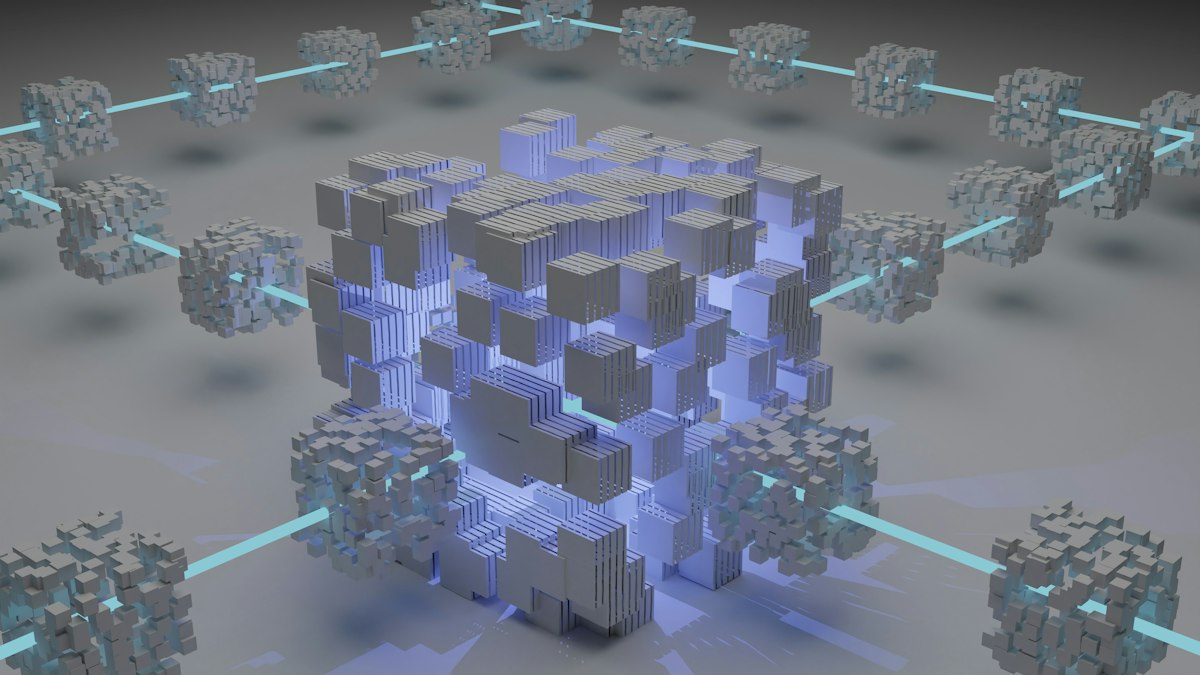
Google has developed a new AI chip that bakes parts of Gemini's model architecture directly into silicon. The Frozen v2 chip could be 6 to 10 times more efficient at serving AI responses than current TPUs.
Introduction: A New Era of AI Inference
Google has introduced a revolutionary approach to AI hardware — a new server chip codenamed "Frozen v2" that bakes Gemini's model architecture directly into silicon. According to The Information, the chip could be 6 to 10 times more efficient at serving AI responses than Google's current TPU chips.
What Is Frozen v2 and Why the Name?
The name "Frozen v2" directly relates to a fundamental machine learning concept — parameter freezing. In Frozen v2's case, Google takes this idea to its logical conclusion by physically "freezing" part of the model into the chip itself, drastically reducing computational operations.
The original idea came from Google DeepMind's chief scientist, Jeff Dean. His first Frozen design called for embedding the model weights directly into the chip, but Google scrapped that approach because the chip would have only worked with a single Gemini version and become outdated too quickly.
Architecture vs. Weights: Flexibility Is Key
The key difference from the first generation is that Frozen v2 embeds the architecture into silicon rather than the weights. The chip has the model's fundamental blueprint built in — layer structure, attention mechanism configurations, activation functions — but the weights themselves can be loaded later. This makes the chip far more flexible than the original concept.
How It Differs from TPUs
Google's current TPU chips work with many different models, making them generalized AI accelerators. Frozen v2 takes a radically different approach: its hardware is custom-built specifically for Gemini models. This also means it won't work with other companies' models or future architectures. For this reason, Frozen v2 likely won't become a commercial product for external customers.
Deployment Timeline: 2028
Google plans to deploy Frozen v2 starting in 2028 in limited quantities, positioning it as a test run for specialized chips.
Competitive Advantage
Frozen v2's 6-10x efficiency gains would allow Google to run powerful AI models at significantly lower costs than competitors, potentially giving it a decisive edge in the AI market.