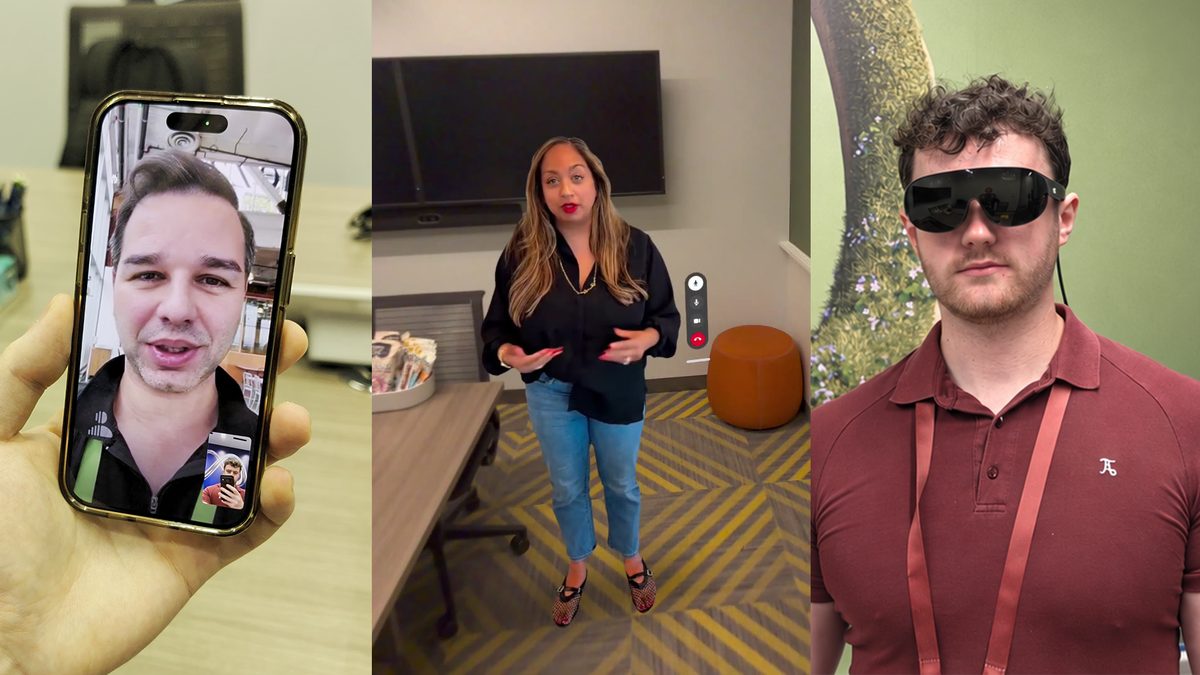
Meta sets a timeline for Hologram: realistic avatars arrive in spring 2027
Meta has finally put a concrete timeline on Holograms, its realistic avatars: a shoulders-up version reaches Meta Ray-Ban Display this fall, and full-body avatars follow on Meta VR Glasses in spring 2027.
Meta has finally given Holograms, its realistic avatars, a concrete release timeline. The technology is the company's answer to Persona on Apple Vision Pro, and the details emerged at Meta Connect 2026.
The research prototype of realistic VR avatars, Codec Avatars, was first shown by Meta, then Facebook, more than seven years ago, but its shipping devices still used cartoonish avatars.
Hologram reaches Meta Ray-Ban Display first
VR is not the first platform: the shoulders-up version reaches Meta Ray-Ban Display in early access in the US this fall for WhatsApp video calls. Meta VR Glasses, planned for spring 2027, will get the full-body version.
Setup takes a few minutes: you hold up a smartphone running the Meta AI app, turn your head up, down and to each side, then answer open-ended questions at length. The system records your facial expressions.
Technically Hologram is a real-time AI diffusion model running on Meta's servers: it turns your microphone audio into a generated video stream sent to the other side, so the other person sees a synthetic version of you whose expressions come entirely from your voice.
In a demo at Connect, a Meta staffer moved to another room and called a phone in front of the journalist, who first took the Hologram for the phone's selfie camera feed. Meta says the model will later also use the glasses' IMU chip.
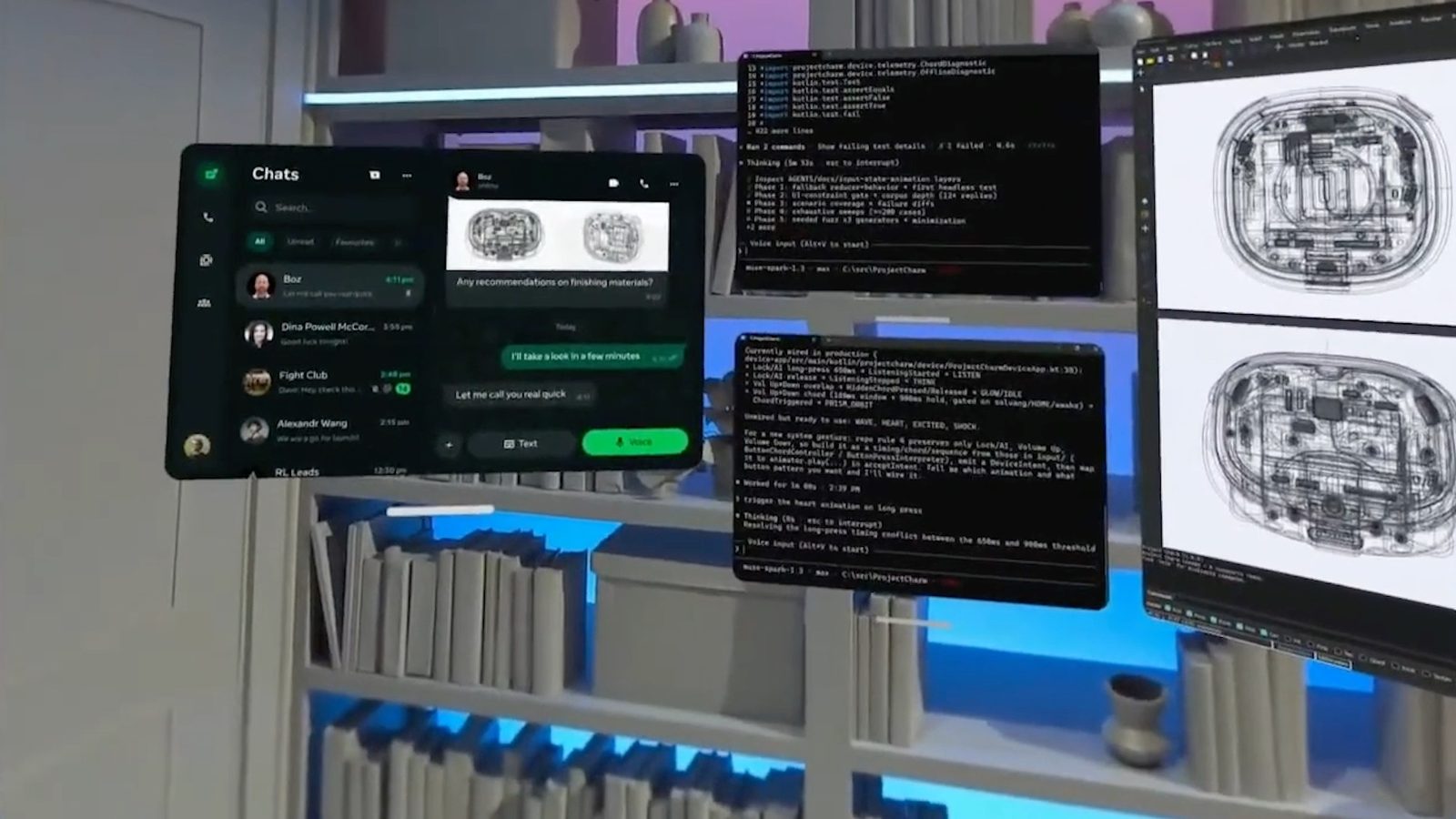
Full-body Hologram on Meta VR Glasses
On Meta VR Glasses, and later Quest 3, Hologram works full-body at true scale: two users on a WhatsApp call first see each other's avatar in a 3D window, and tapping a button beside it switches to full-body mode, placing the other person's Hologram in front of you.
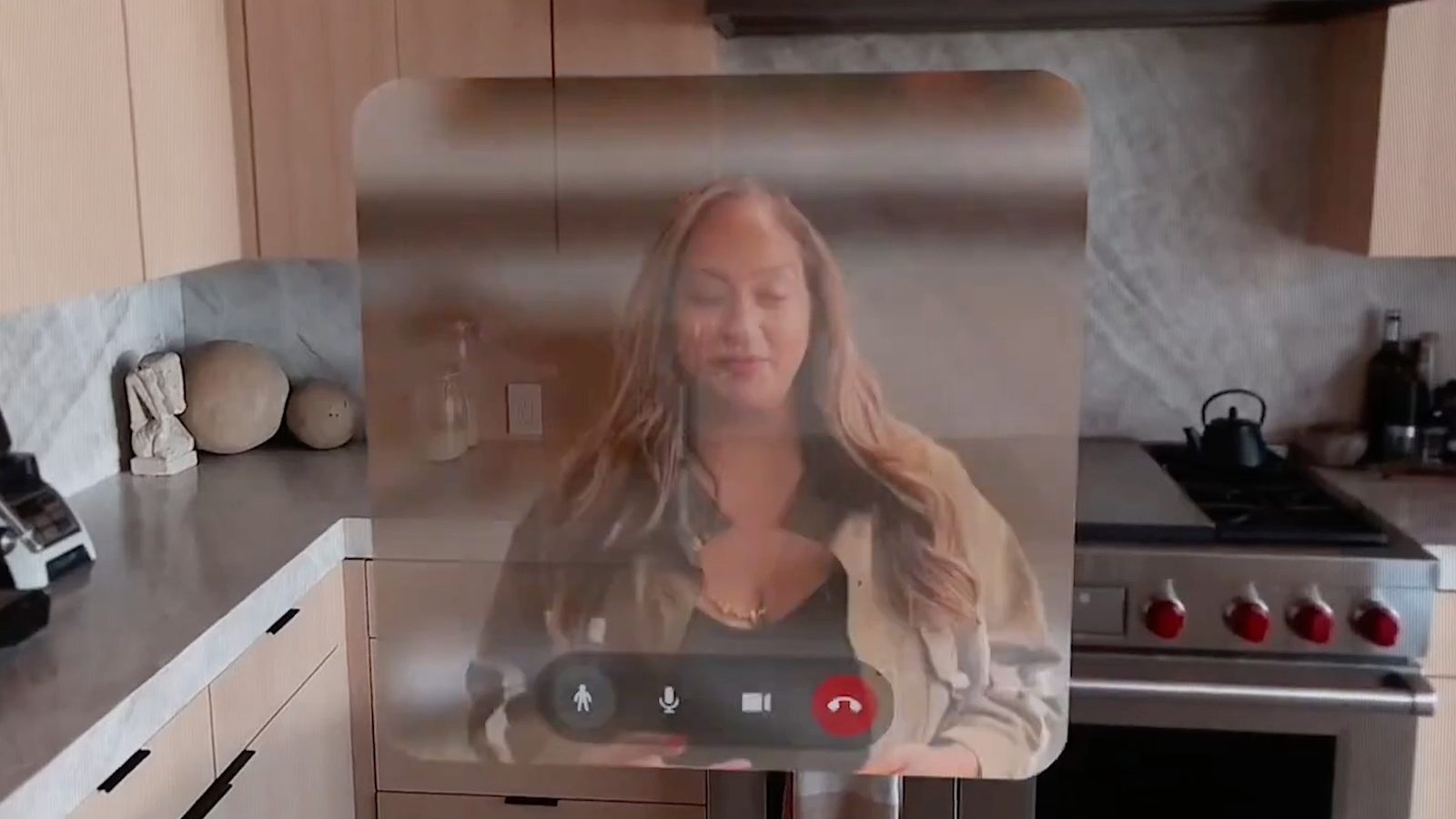
That avatar is not volumetric: it is neither a Gaussian splat nor a Codec Avatar, but a stereoscopic 3D video stream.
In the demo the avatar looked slightly smaller than the person it represented, and details such as the eyes appeared blocky, which engineers blamed partly on Wi-Fi congestion. The illusion also broke when the journalist walked towards or around the Hologram, because it always rotated to face the viewer, like a billboard sprite in an old game.
Meta says that some time after launch Hologram will be upgraded on Meta VR Glasses to a truly volumetric system, enabling real co-presence and group conversations. It will then replace the cartoon Meta Avatars, which are no longer being developed.
SiTech — AI-powered web development
We build fast, modern websites and bring AI into real business workflows. Have a project or a question? We'd love to help.