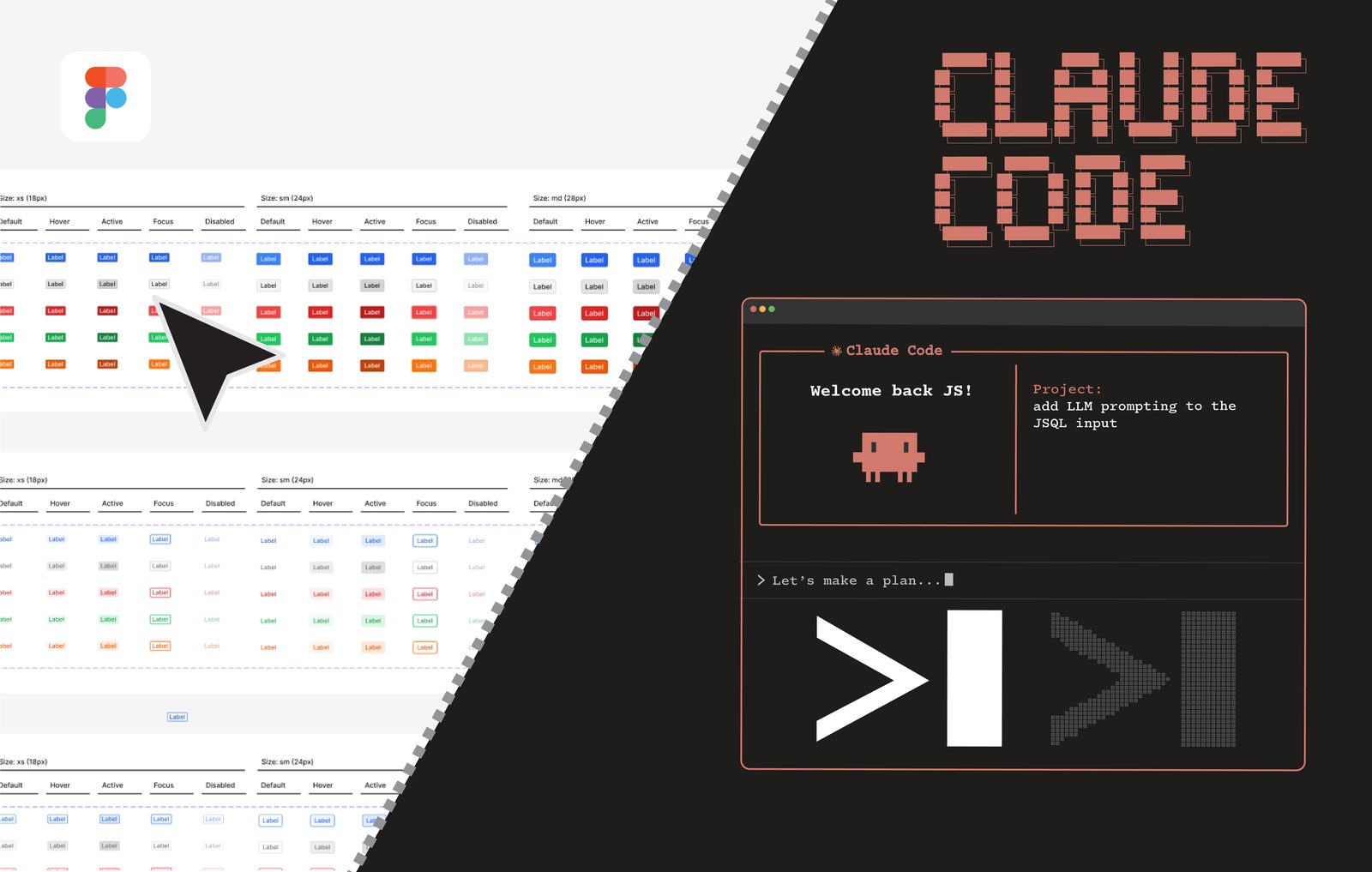
Jane Street designer: 'I design with Claude more than Figma now'
A designer at Jane Street describes moving from Figma mockups and spec documents to working prototypes built with Claude, arguing that the real artifact beats a mockup for most ideas.
A designer at Jane Street has described how their day-to-day work moved away from Figma mockups and specification documents towards working prototypes built directly with Claude, Anthropic's coding assistant. Writing on the firm's engineering blog, the author says the shift was gradual, but that over the past two months the moments they reached for Figma "fell off a cliff".
From scepticism to everyday use
The author was not an early convert. Attempts to tweak a game with Copilot and Cursor produced no working changes, and wireframes and product briefs generated with Gemini at a previous job were thrown away. The turning point came after joining Jane Street, where OCaml and Bonsai — the company's front-end framework — were entirely new to them, which made assistance genuinely useful rather than a second opinion on familiar work.
A prototype instead of a mockup
The workflow now starts with a short written description of the problem and a proposal. That text becomes the prompt for a session in the editor, with the build and the server running, and the goal is a basic working version that proves the idea is possible. From there the author iterates as much as they want, pushes changes to a development environment, asks users what they think, and finally submits a "feature" — the company's version of a pull request — that behaves exactly as intended.
A recent example added LLM prompting to a JSQL input, JSQL being an internal SQL dialect used in many user-facing tools. The prototype was tested for days, with the author refining the submit button, adding keyboard shortcuts, rewriting copy, adjusting the prompt and generating confirmation messages. Effort that would previously have gone into Figma components and formatted documents went into the real artifact instead. Recent work includes half a dozen other prototypes touching user-facing code, data models and libraries, some with diffs of more than 2,000 lines, as well as interactive prototypes for new apps first sketched in Figma — and, in some cases, no Figma at all.
Review, and what might be lost
The main drawback is that reviewers receive a fully baked feature rather than a sketch. The team's answer is to treat prototypes as living proposal documents: the code is disposable and reviewers are asked for feedback on design and user experience, before later owning the production implementation themselves. The author also worries that designing with Claude keeps them in an iterative mode rather than a fluid, creative one — a tension they compare to the long-running debate, going back to at least 2011, over whether designers should code. Without LLMs, they add, joining a company where OCaml and Bonsai were unfamiliar would probably have pushed them further into Figma. Instead, they are working in the medium again.
SiTech — AI-powered web development
We build fast, modern websites and bring AI into real business workflows. Have a project or a question? We'd love to help.