
I Posed as a Problem Gambler. DraftKings Made Me a VIP
A ProPublica reporter spent ten weeks imitating the betting patterns of a compulsive gambler on DraftKings. The company responded with VIP status, a personal host and deposit bonuses.
A reporter for the nonprofit newsroom ProPublica spent ten weeks betting on DraftKings the way a compulsive gambler would, and the company made him a VIP: his account came with a personal host and deposit bonuses.
He opened the account in his own name and, on advice from addiction specialists, copied the wagering patterns of someone who had lost control. In less than eight weeks he deposited 21,600 dollars, and he finished the experiment down 10,702 dollars.
Loss chasing was rewarded
DraftKings invited him into its VIP Showcase programme on the day after he lost nearly 1,800 dollars on basketball in a single night. The three-week tryout ended in formal VIP status three weeks and 5,800 dollars in deposits later, with a personal concierge who promised perks "tailored specifically" to his account. One week after a voluntary three-day cool-off, that host added 1,250 dollars in free DK Dollars to his largest deposit yet.
Guardrails that arrive after the fact
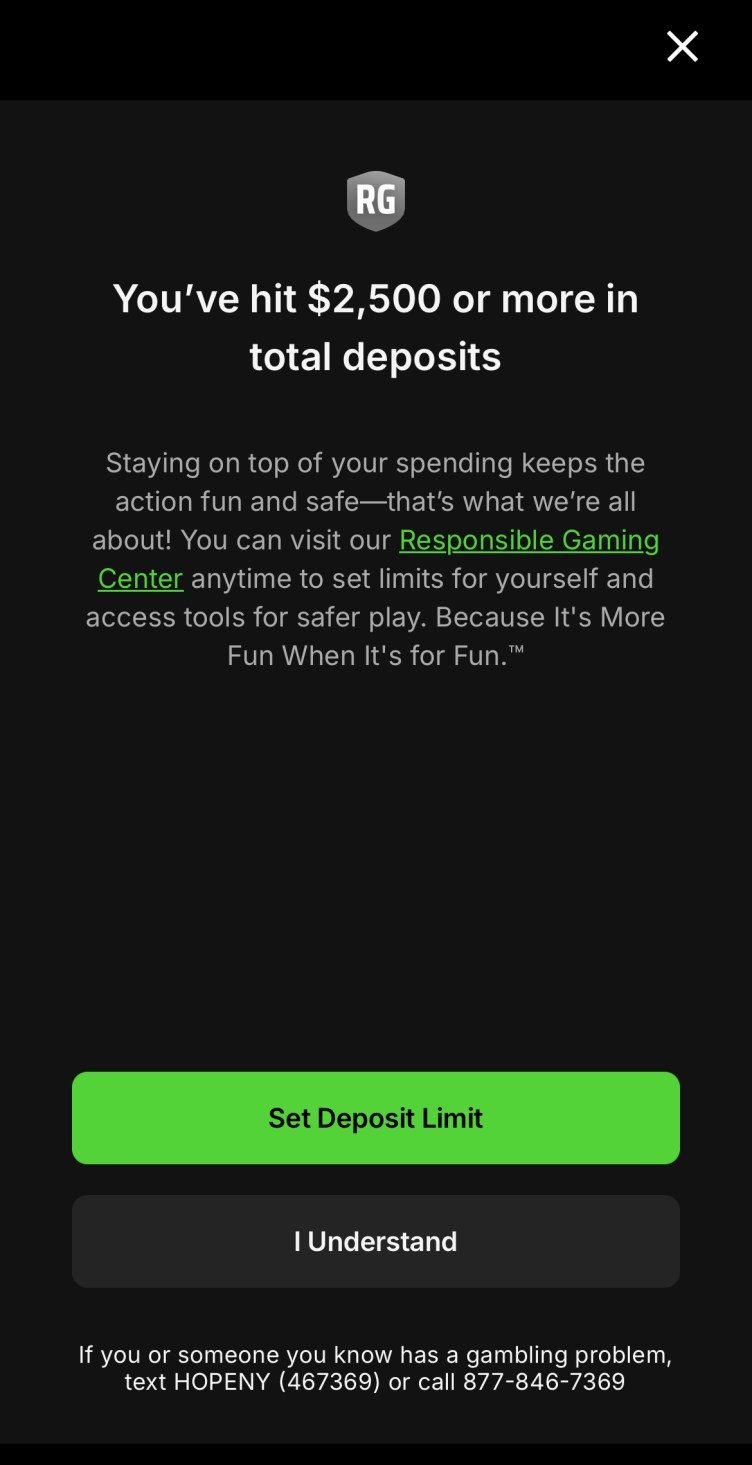
DraftKings says it sent him 32 responsible-gaming notices over ten weeks, but by his own count he received in-app reminders on only 14 of the 71 days he gambled. One was triggered by a New York rule: apps must notify users once total deposits reach 2,500 dollars.
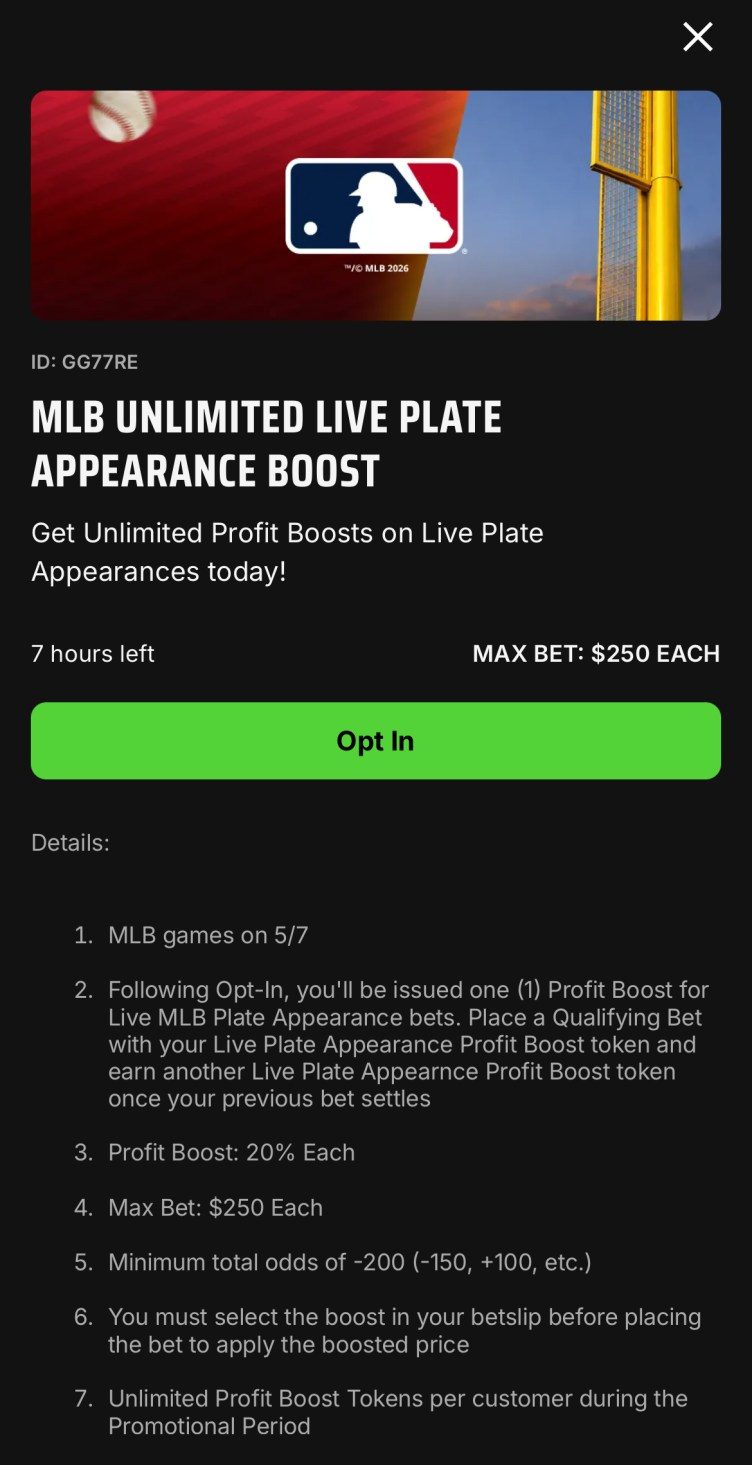
DraftKings' responsible-gaming chief told ProPublica that "the system worked the way it was supposed to", and that his play never matched the signals that trigger a manual review, among them betting between 1:30 a.m. and 5:30 a.m.
A rival, and a policy fight
Repeating the same behaviour on FanDuel for a week produced no VIP invitation: the app showed six Reality Check reminders and declined to accept one 500-dollar wager at full size. FanDuel says its programme is designed to spot risk early, while DraftKings says responsible gaming is "embedded across our business".
Sportsbook operators already restrict winning professional bettors: Massachusetts regulators found that only 0.64% of gamblers in the state faced limits on average as of December 2024, and that maximum bets were lowered more often for winners than for losers. Reform advocates want limits applied by default, and point to the 41 million dollars the industry put into a political action committee ahead of this year's elections. Americans have staked more than 600 billion dollars since the Supreme Court let states legalize sports betting in 2018.
SiTech — AI-powered web development
We build fast, modern websites and bring AI into real business workflows. Have a project or a question? We'd love to help.