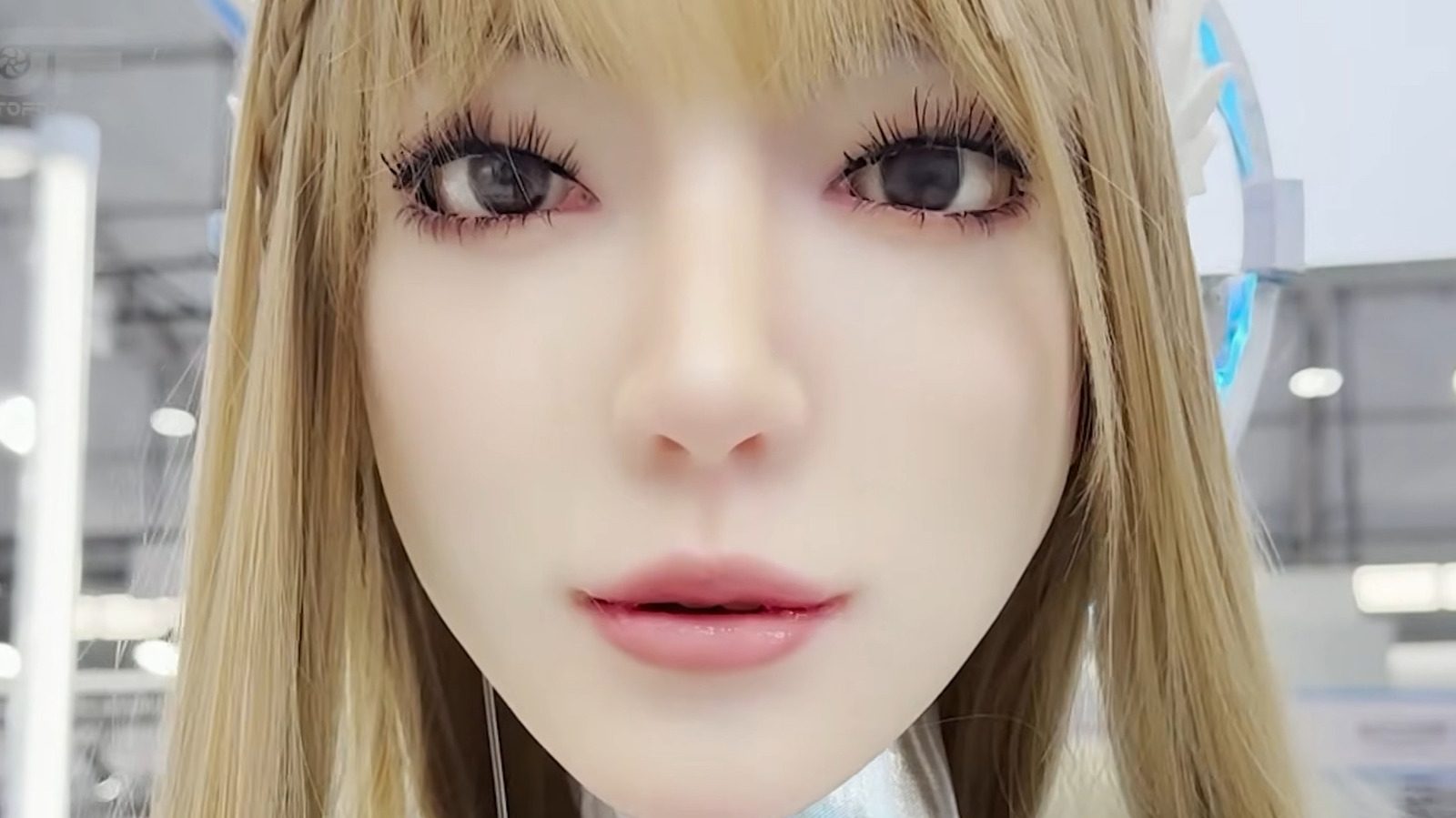
Humanoid Robot Yansyn-X2 Cries on Command at Shanghai Conference
The Yansyn-X2 from Chinese firm Yanxi Technology shed a tear on command at the 2026 Inclusion Conference in Shanghai. Behind the display is a three-layer system of AI, bionic facial parts and microfluidics, and fresh questions about the uncanny valley.
Modern humanoid robots hold conversations, dance and mimic facial expressions with unsettling accuracy. The Yansyn-X2 has added something new: it cries on command.
Footage from the 2026 Inclusion Conference in Shanghai shows a demonstrator asking the robot, "Can you shed tears for me?" Seconds later, a single tear rolls down its face: a striking engineering moment that also stirs unease.
A three-layer architecture
The Yansyn-X2 comes from Yanxi Technology, a Chinese robotics firm in Ningbo. Three layers of technology produce the effect. An AI algorithm analyzes the context and tone of a conversation to decide when an emotional response fits. Sad or empathetic language then triggers bionic components beneath the medical-grade silicone face, turning its features sad. A separate microfluidic system dispenses "tears" at the eyes.

A static head for now
The current version is a static model, not a walking robot, though it can turn its head, track people and gesture. Future versions will use bionic muscles instead of servo motors for smoother, more varied facial changes.
Affective computing and the uncanny valley
The tear system is part of a wider push into affective computing, the field that teaches machines to recognize and respond to human emotions. The goal is not to convince anyone that a robot feels sadness, but to make human-robot interaction feel natural. A machine welling up with tears still sits in uncanny-valley territory: almost human, but not quite.
A 2023 study in Frontiers found that robots whose facial expressions matched the emotional tone of a conversation were rated more likable, trustworthy and human-like than robots with no expression or mismatched ones. The industry is betting that emotionally responsive machines will ease collaboration.
Part of a wider humanoid wave
Yansyn-X2 is not isolated. At CES 2026, robotics companies showed machines with very different goals: LG's CLOiD folds and sorts laundry, WIRobotics' Allex holds objects of up to 6.6 lbs, and SwitchBot's Onero H1 won a best-in-show award for loading a washing machine.
Other robots also made headlines: at Beijing's World Humanoid Robot Games, the Tiangong Ultra ran the 100-meter dash in 9.39 seconds, beating Usain Bolt's 9.58-second record, while Japan Airlines began testing an android baggage handler at Haneda Airport in May.
The wider picture is an industry pushing on speed, dexterity, utility and emotional believability at once. Robots that can spring, fold towels and now cry are edging closer to daily life; some of that is welcome, some deeply unsettling.
SiTech — AI-powered web development
We build fast, modern websites and bring AI into real business workflows. Have a project or a question? We'd love to help.