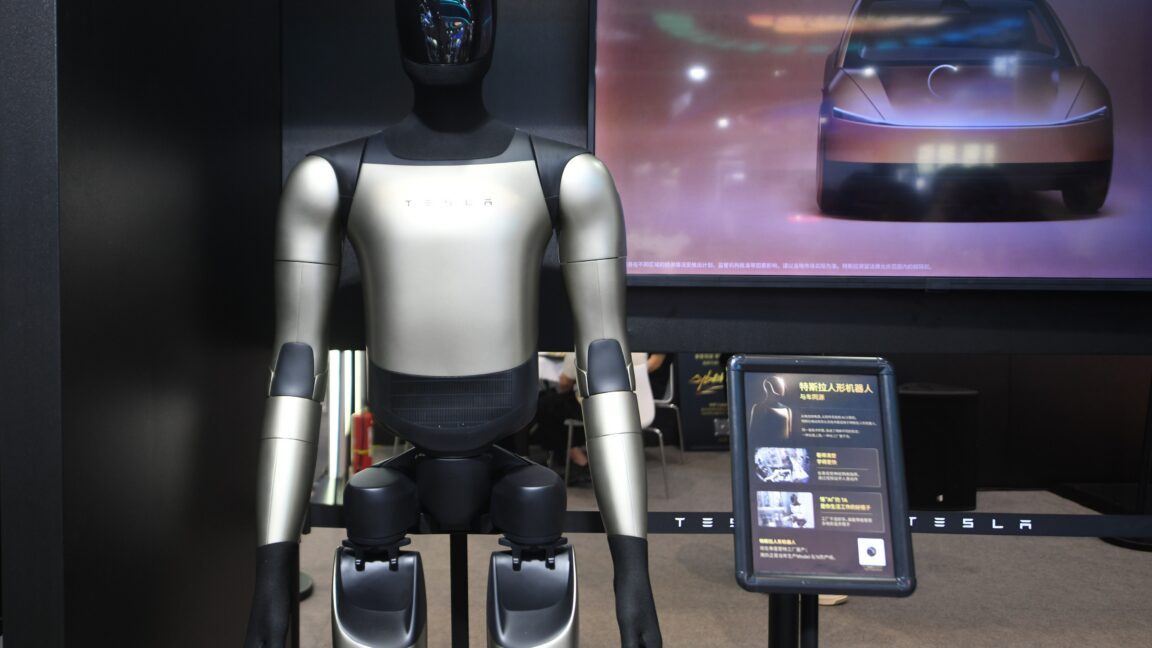
Tesla workers balk at training Optimus robots as their replacements
The Information reports that some Tesla factory workers resisted wearing motion-capture suits to train the Optimus robots, prompting the company to move data collection to dedicated teams and training hubs.
Tesla’s pivot from electric cars to humanoid robots is facing an obstacle that is as much about people as it is about engineering. According to extensive reporting by The Information, factory workers in Texas and California who were asked to wear special suits that record their physical movements objected because they knew the robots were designed to eventually replace them.
The suits are part of an industry-wide effort to collect imitation-learning data, which robots need to master a wide variety of manual tasks. After the pushback, Tesla moved the data-collection work to dedicated teams and set up “training hubs” to house that effort.
Hands, sensors and unfinished autonomy
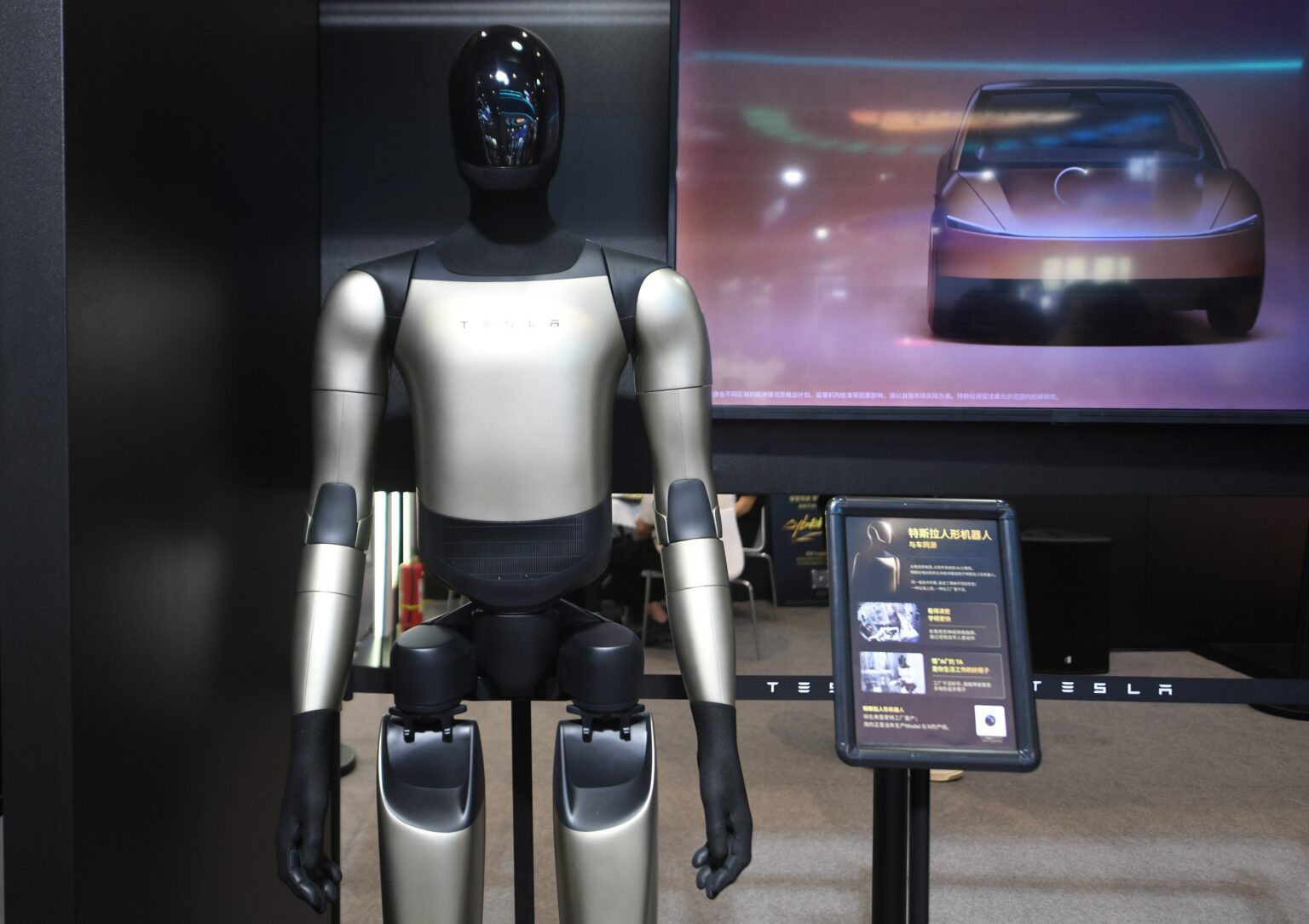
The hardware itself remains difficult. Optimus hands and forearms together contain more than 100 small components, including screws, and human workers must assemble them manually. The imperfect, labor-intensive process produces robots that need immediate fixes.
Touch sensors for the hands have also proven unreliable, so Tesla has developed a glove-like layer of sensors that can be replaced without replacing the entire robot hand. On the software side, The Information’s sources said Optimus robots still require programming to perform specific tasks in carefully controlled environments.
A factory line switched to robots
Tesla’s Fremont factory in California stopped making the Model S sedan and Model X SUV as of May 2026, with line workers and engineers both moved over to Optimus. Production has reportedly scaled to hundreds of robots per week, while the company targets more than 1,000 per week by the end of 2026.
Elon Musk has described Optimus as potentially “the biggest product ever” on Tesla’s second-quarter 2026 earnings call, while acknowledging that a general-purpose autonomous humanoid is “one of the hardest things to solve.”
The race and the supply chain
Tesla still relies on Chinese suppliers for many robot components. The US robotics industry’s dependence on that supply chain has persisted despite Washington’s push to boost domestic production; in July, the Federal Communications Commission banned new foreign-made robots, including humanoids and four-legged machines.
The problems are not unique to Tesla. Toyota plans to invest billions in factory robots, Hyundai intends to deploy up to 25,000 Atlas humanoids built by Boston Dynamics, and Oregon-based Agility Robotics has had robots working in a GXO Logistics warehouse since 2024. The business case for humanoids still has to be proven through sustained, cost-effective deployments.
SiTech — AI-powered web development
We build fast, modern websites and bring AI into real business workflows. Have a project or a question? We'd love to help.