Ladybird releases first alpha of its new browser
Ladybird's first alpha release is now installable on macOS and Linux without compiling, following agent-assisted development this year and major October improvements to the browser.
Ladybird, a new browser with its own HTML parsing, CSS engine, layout, JavaScript and WebAssembly implementation, released its first alpha on 23 November 2026. The release is installable on macOS and Linux without compiling it yourself, and early testing found it fast with a lightweight, intuitive interface.
Early testing
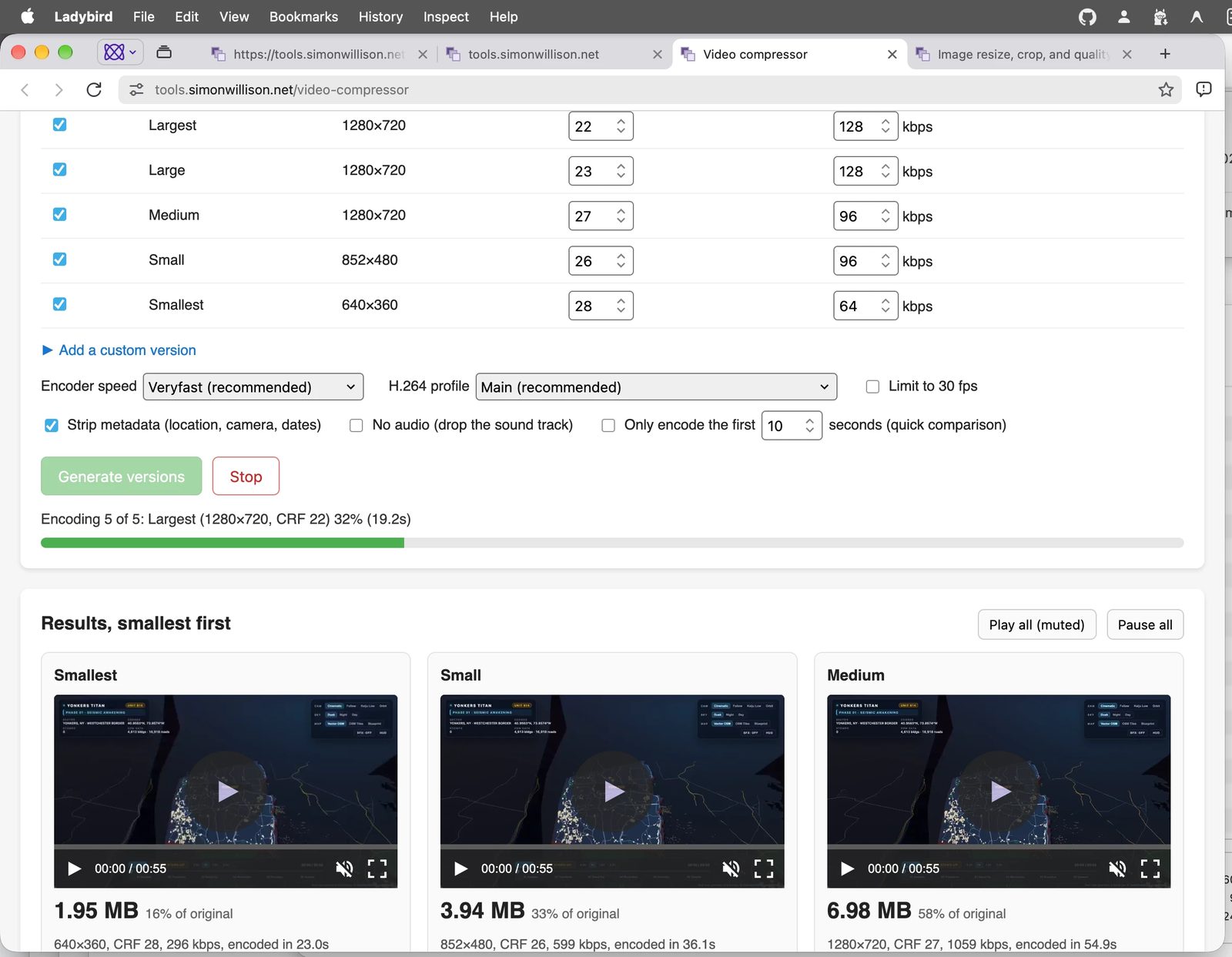
Simon Willison tested the alpha and said most websites he tried loaded as expected. Ladybird runs different tabs in different processes. After opening six tabs in one window and another tab in a second window, the process tree included Ladybird at 240 MB, Hub at 61 MB, Compositor at 123 MB, MediaServer at 118 MB, VideoDecoderServer at 20 MB, and several WebContent and RequestServer processes. He also ran a video compressor that uses ffmpeg compiled to WebAssembly, resized a screenshot with an image resize tool, and ran a Pyodide REPL. Datasette Lite did not work because it uses service workers and web workers in a complicated arrangement; the error was 'undefined is not a function (evaluated from 'navigator.serviceWorker.startMessages')'. He filed an issue and found a FIXME annotation in the source code.
October improvements
The project has leaned heavily into coding agents this year. On 23 February 2026, Andreas Kling published that Ladybird adopts Rust with help from AI, describing porting parts of LibJS from C++ to 25,000 lines of Rust in two weeks using Claude Code and Codex. In October 2026, the project moved style and layout to their own thread, landed a new JavaScript JIT, replaced its C++ WebAssembly engine and Cranelift with new code that achieved a 7x boost on the JetStream 3 WASM benchmark, and gained 75,650 new passes on the roughly 2.25 million subtest web-platform-tests suite, beating Safari. Most of that web-platform-tests gain came in five days, from about 2.12 million on 22 October to about 2.18 million on 27 October, after AI coding agents were pointed at the tests to fill missing functionality. The biggest monthly gains were about 30,000 in /css and 10,000 in /editing.
Security and suitability
Andreas Kling says the alpha may not work on some websites and may crash sometimes; users can report broken sites from inside the browser and decide whether to send a crash report after a crash. The project asks security researchers to try to hack it and says it makes no security promises today. Simon Willison says he will not use Ladybird for sensitive accounts such as GitHub or Gmail, but will keep it for anonymous browsing to support testing and because it gives optimism about a new entrant in the browser engine market.
Sources: Simon Willison
SiTech — AI-powered web development
We build fast, modern websites and bring AI into real business workflows. Have a project or a question? We'd love to help.