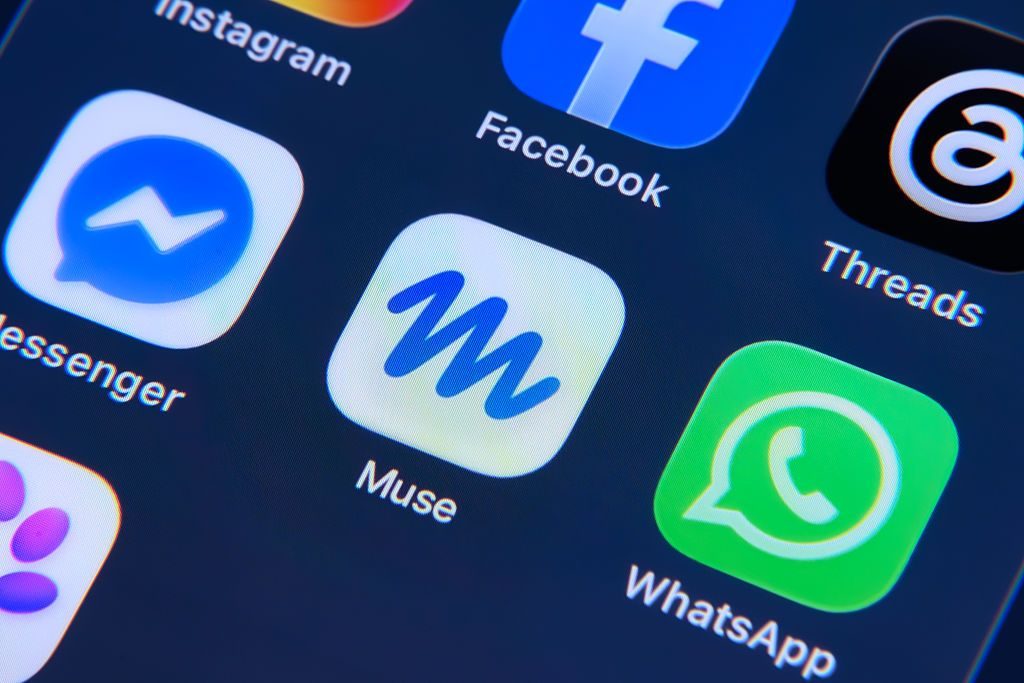
Meta's Muse AI Assistant Arrives on iPad One Month After Mobile Launch
Meta has released a dedicated iPad app for its Muse AI assistant, just one month after the app debuted on iPhone. Muse has topped 6.6 million installs since its September 8 launch on iOS and Android.
Muse Comes to iPad
Meta on Wednesday announced that its Muse AI assistant is now available as a dedicated iPad app, just a month after the assistant debuted on iPhone. The milestone is notable because it took Instagram roughly 15 years to release an iPad app despite years of user demand, while Muse reached the tablet form factor within weeks of its mobile launch. Meta noted that the task may be easier with Muse given its text-heavy interface, where image and video resolution and formatting matter less.
Muse launched on iOS and Android on September 8 and has since topped 6.6 million installs, according to estimates from market intelligence firm Sensor Tower. The app is one of dozens of consumer-facing AI agents and lets users connect their accounts to stay on top of email, meetings, bills, and more, as well as complete tasks such as booking reservations, ordering groceries, setting goals, and making purchases.
New Connectors and Retail Partners
To power these capabilities, Meta has been adding partners that appear in Muse as "connectors." Users can add and sign in to them selectively, depending on which parts of their online life they are comfortable letting an AI agent handle. With the iPad release, Meta updated this list with several newer additions aimed at small businesses, including Asana, Canva, Dropbox, Figma, QuickBooks, GitHub, Klaviyo, and Zoom, as well as connectors for Meta ad accounts. The company also added Notion and Granola.
In addition, Meta recently announced more retail partners, including Best Buy, Gap, Sephora, Walmart, and Wayfair. These connectors allow the agent to shop those retailers' sites and complete transactions on users' behalf.
Addressing Bot Blocking
Because the technology is still new, these experiences can run into issues as websites mistake agents for bots and block their access. On Tuesday, Meta announced that it is working with industry partners on a technological solution to this problem in the form of an open standard that would allow personal AI agents to identify themselves to businesses. That would help businesses sort the good bots from the bad.
Sources: Techcrunch
SiTech — AI-powered web development
We build fast, modern websites and bring AI into real business workflows. Have a project or a question? We'd love to help.