Meta's Muse Is Adults-Only, but Its Mascot Looks Like a Kids' Toy
Meta limits its AI agent Muse to users 18 and over, yet its cuddly mascot Jolly and a planned Tamagotchi-style device look made for children. Child-safety advocates are pushing back.
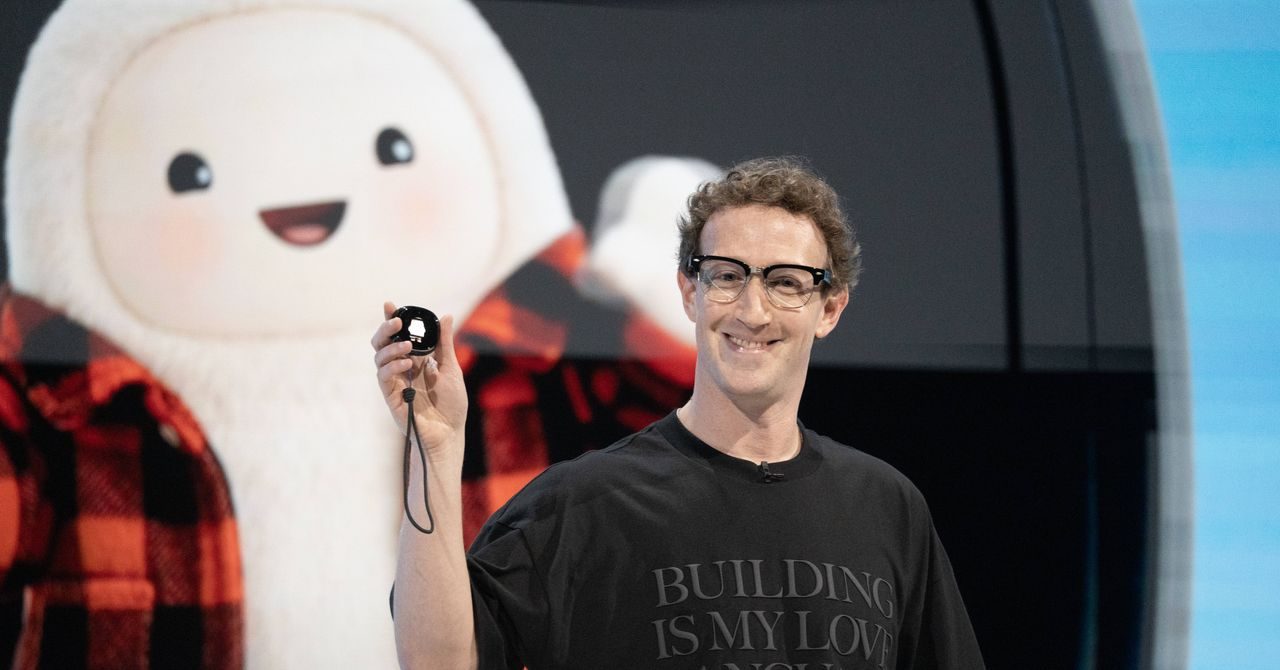
Meta's AI agent Muse is restricted to users 18 and over, but its mascot, a cuddly, doll-like character named Jolly, looks like something designed for a nursery shelf. That contrast drew scrutiny in a WIRED report published on September 26, 2026, as child-safety advocates asked why an adults-only product carries preschool-friendly branding.
A mascot you can dress up
Jolly is a soft representation of Meta's AI agent that users can dress however they like. At the recent Meta Connect event, CEO Mark Zuckerberg's furry Muse wore a toga and a laurel wreath, and Instagram ads showed the mascot in exercise gear. Later this year, Meta plans to sell a Tamagotchi-style device for the character. Alexandr Wang, Meta's chief AI officer, has posted nonstop memes of Jolly, some of them suggestive.
Meta: the app is for adults
Meta spokesperson Daniel Roberts rejected the criticism. "This is a story in search of a story," he told WIRED, saying people want an avatar "with personality and unique style, because it's fun and brings them joy." Every Muse user must provide a date of birth, accounts that may belong to someone under 18 are blocked, and further checks confirm that users claiming to be adults really are over 18, he said. Mona Sarantakos of Meta Superintelligence Labs wrote that the design leaned into "delightful" elements and was meant to feel less awkward than chatting with "a corporate logo."
Advocates and researchers push back
"Oh my God, it looks like a Teletubby," said Josh Golin, executive director at Fairplay, a nonprofit that has lobbied against Meta's targeting of children. "People who study children's media understand that those rounded shapes particularly appeal to kids in the preschool age." Julian De Freitas, a Harvard marketing professor who focuses on AI companions, said cute design "can make the product seem warm and less threatening," though Meta faces a high bar because "attitudes toward Meta are quite negative after the social addiction rulings." In August, Meta settled social media addiction claims, agreeing to pay up to $16.7 billion and add teen restrictions on Instagram and Facebook.
Some experts were less convinced the design targets children, comparing Jolly to Japan's long history of marketing technology with cute characters and noting that anthropomorphized assistants are common. A cuddly figure can still lower a user's guard: Meta trains its AI models on Muse interactions unless users opt out.
"Being cute and frictionless, or tapping into nostalgia for devices that didn't constantly surveil our lives, are sly ways to make people drop their guard and slip into being passive users," said Jathan Sadowski of Australia's Monash University. Meta says a "confidential" version of the virtual machine behind Muse will arrive later in 2026. As the holidays approach and Meta prepares to launch Muse Charm, its Tamagotchi-like device, advocates say they are staying alert.
SiTech — AI-powered web development
We build fast, modern websites and bring AI into real business workflows. Have a project or a question? We'd love to help.