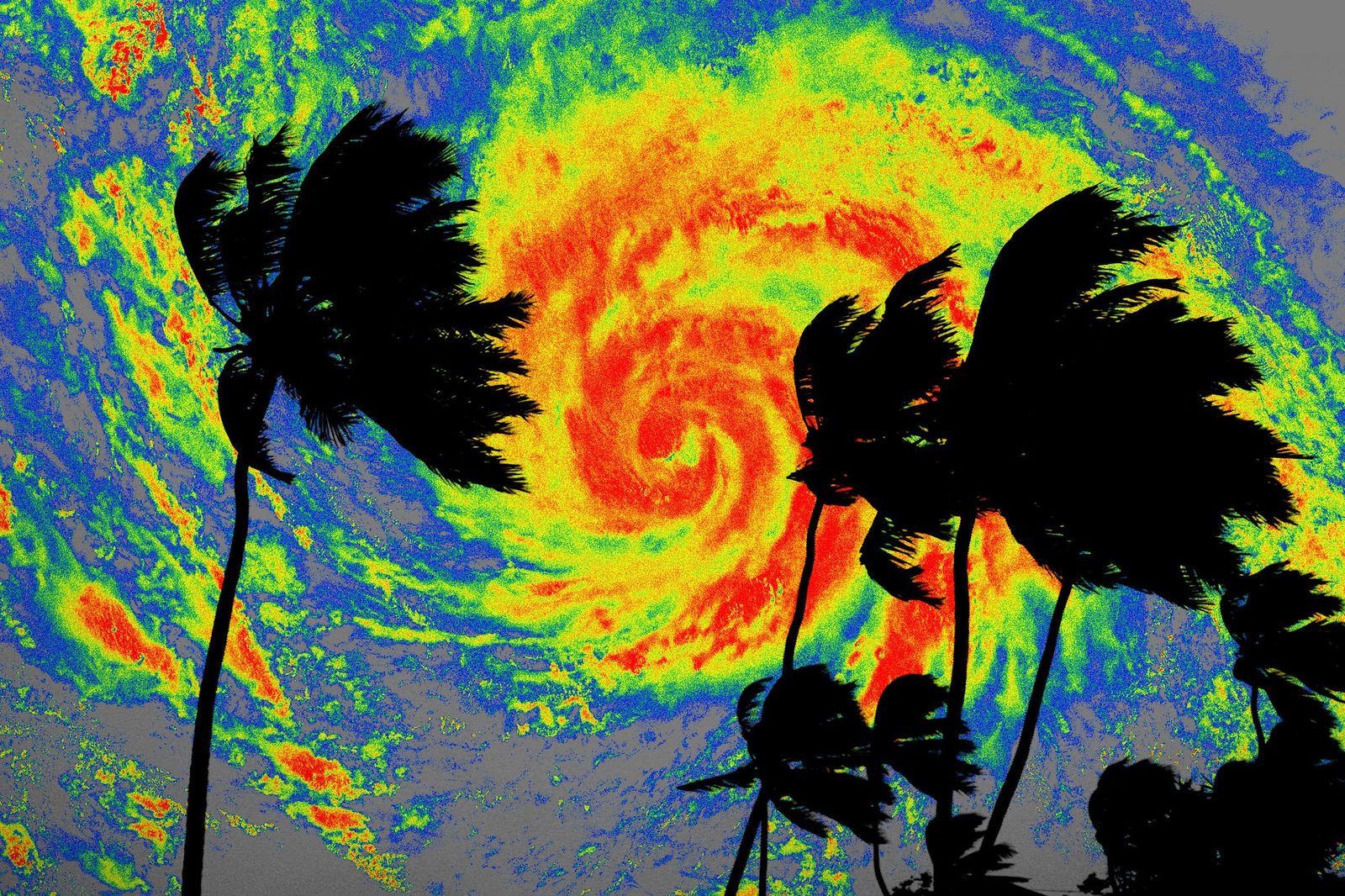
Microsoft open-sources machine learning tool that improves medium-range weather forecasts
Microsoft researchers have published in Nature a new open-source machine learning tool called Probabilistic Bias Correction that can run on ordinary CPUs and improves the accuracy of weather forecasts from two to six weeks ahead.
A lightweight alternative to new AI weather models
Microsoft researchers have developed an open-source machine learning tool designed to improve weather forecasts made between two and six weeks in advance. The work was published in the journal Nature and the tool is now available as open-source software. While Google, Nvidia, and other companies are developing standalone AI weather models, Microsoft's approach uses machine learning to correct systematic bias in existing physics-based models, a method the researchers say is more accessible for resource-strapped weather agencies.
Probabilistic Bias Correction
The tool, called Probabilistic Bias Correction (PBC), identifies systematic bias in a model and makes corrections. One example given by Microsoft Research New England senior principal researcher Lester Mackey is correcting for climate change: greenhouse gas emissions from fossil fuels are heating the planet, but a model trained on historical records can stay biased toward colder temperatures than the world actually experiences today. The researchers report that PBC improved the accuracy of the European Centre for Medium-Range Weather Forecasts (ECMWF) leading physics-based model for 98 percent of precipitation targets and 92 percent of temperature targets, and doubled the accuracy of ECMWF's new AI forecasting system in the study's analysis.
Built to run on ordinary CPUs
Traditional physics-based forecasting runs on supercomputers, while generative AI depends on powerful GPUs. Mackey says PBC can run on CPUs alone, which he hopes will bring advanced forecasting within reach of agencies in economically developing countries that lack large computing budgets. ECMWF, which had already recognized the research in its AI Weather Quest competition, called the paper a good example of new ideas being developed for the benefit of the community, while noting that turning ideas into operational reality remains a most challenging step. Paper author Genevieve Flaspohler, now executive director of the nonprofit Rhiza Research, is testing PBC with the Kenya Meteorological Service Authority, with funding from the Gates Foundation, ahead of what is expected to be a more extreme rainy season during a record-breaking El Niño.
Sources: The Verge
SiTech — AI-powered web development
We build fast, modern websites and bring AI into real business workflows. Have a project or a question? We'd love to help.