Microsoft open-sources the earliest DOS source code discovered so far
Microsoft has published the 86-DOS 1.00 kernel sources and early PC-DOS 1.00 snapshots, calling them the earliest DOS source code found to date. The release also includes documentation and notes from the system's original developer.
Microsoft has released the source code for 86-DOS 1.00 and several early snapshots of the PC-DOS 1.00 kernel, describing the material as “the earliest DOS source code discovered to date”. The publication, announced on the company's open source blog by Stacey Haffner and Scott Hanselman, also includes documentation and notes from the operating system's original developer.
What was released
The archive contains the sources of the 86-DOS 1.00 kernel, several development snapshots of the PC-DOS 1.00 kernel, and early versions of well-known utilities such as CHKDSK. The code predates the MS-DOS branding entirely: it comes from the period when the system was still being developed by its original author and sold under other names.
From QDOS to MS-DOS
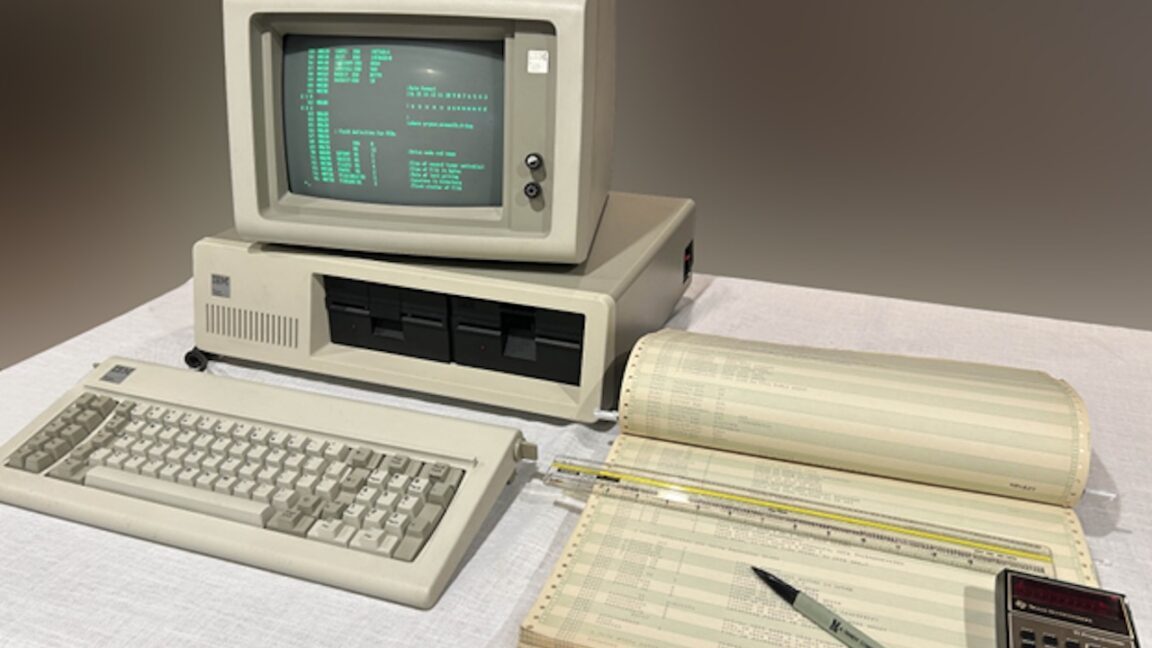
86-DOS began as QDOS — “quick and dirty operating system” — written by programmer Tim Paterson for an Intel 8086-based computer kit sold by Seattle Computer Products. Microsoft, which had promised an operating system for the still-unfinished IBM PC 5150, licensed 86-DOS and hired Paterson to continue developing it, later buying the rights to the system outright. Microsoft then licensed the operating system to IBM as PC-DOS while keeping the right to sell it to other companies. The version it sold itself was called MS-DOS, and the flood of IBM PC clones through the 1980s and 1990s made that the version most users actually ran.
Why it matters
Microsoft has released MS-DOS source code several times over the past two decades, but each earlier release started from a later point in the system's life. The new material reaches further back than any of them, covering the months in which 86-DOS was adapted for IBM's first personal computer. For historians of computing and for developers who still study the code, the snapshots and the developer's own notes document how the kernel changed during that period — and where the conventions of the PC platform came from.
SiTech — AI-powered web development
We build fast, modern websites and bring AI into real business workflows. Have a project or a question? We'd love to help.