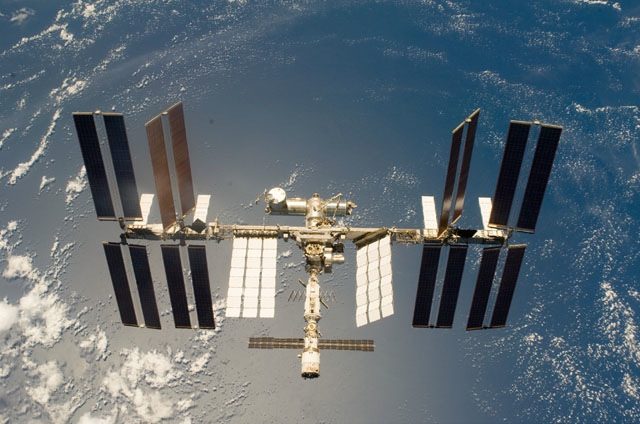
NASA Opens Competition for Private Space Stations to Succeed ISS
NASA has released a 360-page request for proposals for commercial space stations to replace the International Space Station by 2030. Industry responses are due December 8, with a final decision expected in April.
NASA Seeks Commercial Successors to the ISS
NASA on Friday released a long-awaited request for proposals calling on the US commercial space industry to develop private space stations that could succeed the International Space Station as early as 2030. The 360-page document outlines the capabilities the agency is seeking from companies that would host astronauts in low-Earth orbit.
In a cover letter accompanying the solicitation, NASA said the effort will ensure a sustained human presence in low-Earth orbit for crew members to perform science and exploration. Industry responses are due December 8, and NASA plans to select two or more contractors in this phase, with a final decision intended in April.
NASA Administrator Jared Isaacman said the agency will never give up its presence in low-Earth orbit, adding that commercial stations may provide that capability while allowing NASA to concentrate more resources on missions to the Moon and Mars.
Phase 1 winners will be guaranteed at least $100 million, with future phases worth billions. Phase 2 of the Commercial LEO Destinations competition, beginning next year, covers development and certification of the stations, while Phase 3 includes the purchase of at least four missions for NASA astronauts.
NASA Offers Transportation Help
One closely watched element of the request concerns crewed transportation. SpaceX, which operates the only US crew vehicle currently flying, has said it plans to retire Crew Dragon when the ISS is deorbited in 2030 or 2032, and has not offered seats to private station operators. Two weeks ago, NASA provided an additional $359 million to support Boeing's Starliner certification effort.
Under the new request, bidders do not need to provide a signed contract with Boeing or even a letter of intent. NASA said it will furnish transportation for the first four NASA service missions to the private stations, likely by brokering deals with Boeing. The agency also assigned explicit prices: for 2030, it estimates a four-seat crew flight at $325 million and a cargo flight at $300 million.
Industry Responds
Axiom Space, Voyager Space, and Vast Space are expected to bid. Blue Origin won an earlier funding round, but questions remain about its commitment, and SpaceX appears unlikely to bid for now.
Marshall Smith, chief executive of Voyager's Starlab space station, called the release an important milestone and said Starlab has the strongest business plan and technical solution. Axiom Space said it is reviewing the final request and is confident its proposal will demonstrate it is the clear choice. Vast said it is in final integration with Haven-1 and ready to compete to build the commercial successor to the ISS.
Sources: Arstechnica
SiTech — AI-powered web development
We build fast, modern websites and bring AI into real business workflows. Have a project or a question? We'd love to help.