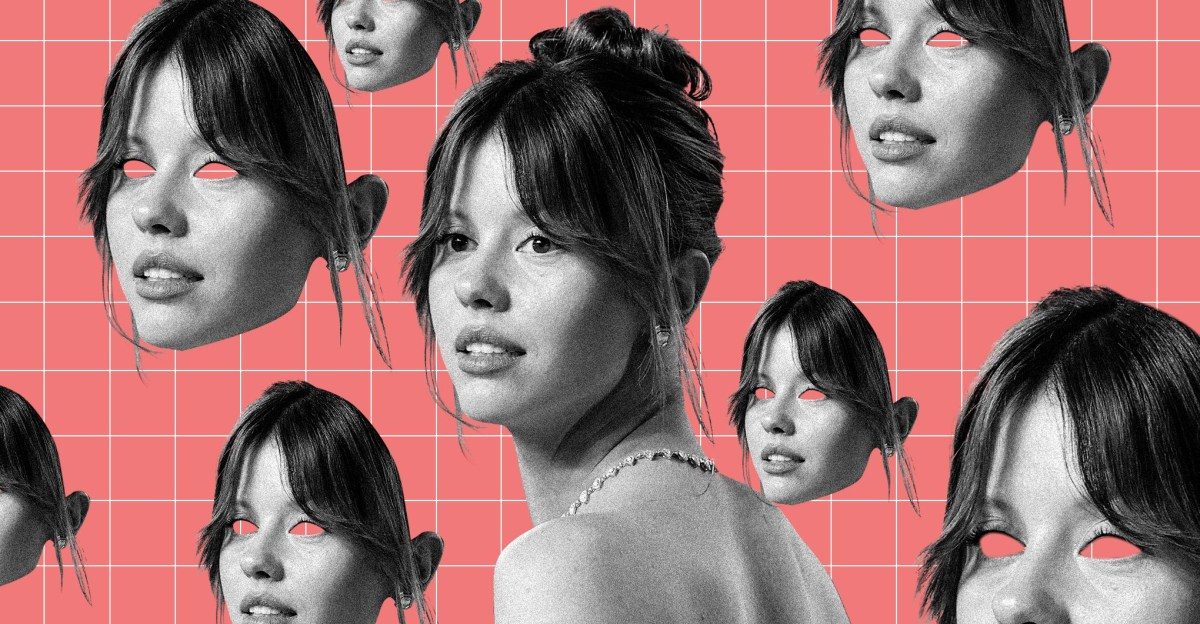
AI deepfakes of celebrities spread despite platform takedowns
AI generated images and videos of celebrities are collecting millions of views on social media. Meta exempts still images from AI labeling, while YouTube says it removed over 95 percent of likeness reports in the first half of 2026.
Verified fan accounts spread AI celebrity images
An Instagram image claiming to show actress Mia Goth in a T shirt reading MY EX IS MY BIGGEST FAN collected nearly 500,000 likes within days, despite coming from a fan account with a blue checkmark and more than a million followers. Goth's representative said the account had previously posted counterfeit, AI images, and called it disconcerting that a fan account qualified for verification. Meta allows users to buy blue checkmarks even when an account is not run by a prominent figure.
Instagram later removed the account for impersonating a public figure. The post had already spread through celebrity gossip outlets, and Google search results featured an AI generated overview saying Goth was taking a clear swipe at Shia LaBeouf after their divorce filing.
Sexualized deepfakes remain easy to find
Accounts posting AI generated images of Scarlett Johansson, Millie Bobby Brown, Zendaya and Ariana Grande were still easy to locate, with several focused on partially undressed or sexualized poses. One Johansson profile included advertising contact information plus links to Patreon and Telegram subscriptions, while other accounts used her name and AI image to promote adult content. After The Verge asked Meta about eight accounts, spokesperson Alex Dziedzan said some were removed, including the Goth and Johansson pages. He said Meta does not permit accounts to use someone's likeness to pose as that individual, authentic or not.
Platform rules leave gaps for images and scale
Meta requires AI labels for realistic videos and AI generated voices, but still images are exempt, so the fake Goth image would not have needed a disclosure. The company also added AI generated profile labels for accounts whose avatar does not exist. Still, a cottage industry of accounts continues to push AI imagery of real people that the algorithm appears to like, from AI premiere videos to paid courses on making money through AI content.
YouTube runs likeness detection for visual matches and, as of recently, sound-alikes, and says every adult with a YouTube account is covered. Spokesperson Jack Malon said the tool was built with the entertainment industry and that YouTube removed over 95 percent of videos reported through it in the first half of 2026. The Take It Down Act, signed into law in 2025, criminalizes nonconsensual intimate imagery including AI content and requires removal within 48 hours, but litigation over AI depictions of people still largely happens at the platform level.
Sources: The Verge
SiTech — AI-powered web development
We build fast, modern websites and bring AI into real business workflows. Have a project or a question? We'd love to help.