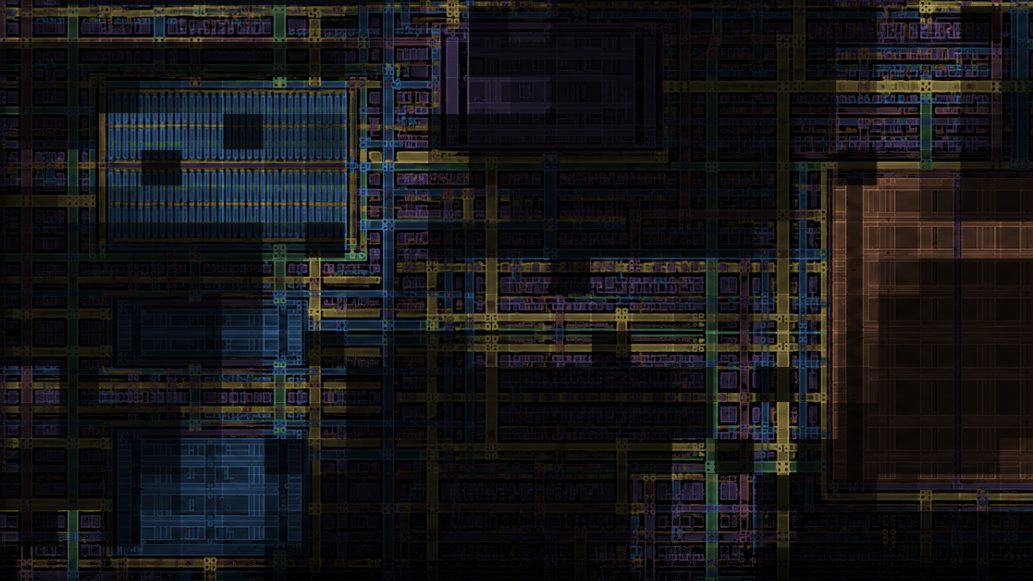
OpenAI Helped AMD Improve Upcoming Flagship GPU Design by Up to 14% PPA
OpenAI says undisclosed AI models helped AMD optimize upcoming flagship GPU and CPU designs, with up to 14% PPA gains for GPU circuitry and single-digit gains for the processor.
OpenAI says undisclosed AI models helped AMD optimize its upcoming flagship GPU and CPU designs. The company reports up to 14% PPA improvement for GPU circuitry and unspecified single-digit PPA gains for the processor, with optimization work done in SystemVerilog RTL.
GPU and CPU Gains
OpenAI says its model spotted further improvements by rewriting the code that describes the chip's circuits. It claims this work is equivalent to condensing a year's worth of conventional chip design work into under 5 months, and calls that time crunch unprecedented. The model was reasoning on RTL at the level of an expert microarchitect, and OpenAI expects further PPA improvements for both GPU and CPU designs from the now-improved baseline.
Testing on Chip Cores
The blog post describes how GPT's chip-design ability evolved. Researchers tested high-end LLMs by asking them to improve PicoRV32 and Ibex chip cores. The models received 112,000 tokens per run and were told to optimize for throughput, defined as a combination of Instructions-per-Clock and clock cycle duration. Results were scored from zero to 1.0: a zero was given if chips did not work or used more than 16 times the previous area, while 1.0 was given for the best designs under the test constraints. The test did not tell the models which workloads the chips would be used for. GPT-6.2 Astra had the best showing on both axes, with the lowest overall cost and the highest optimization score.
A second test found that the models provided better results when essentially redesigning chips according to their initial specifications, rather than optimizing existing code. There is no word on whether unmodified versions of GPT were used for this work.
Related Chip Efforts
This is not AI's first work on chips. OpenAI worked with Broadcom on OpenAI Jalapeño, an inference-targeted chip that was already running actual workloads with engineering samples as far back as June 2026. The company expected small initial Jalapeño deployments around late 2026 and a broader rollout in 2027. Test benchmarks have been available for a while, displaying purported excellent savings on power draw and overall latency versus market-leading Nvidia Blackwell GPUs in single-token prediction workloads. OpenAI also says it is working with Synopsys to train GPT-Synopsis, a model for using chip design tools.
Sources: Tom's Hardware
SiTech — AI-powered web development
We build fast, modern websites and bring AI into real business workflows. Have a project or a question? We'd love to help.