OpenAI's First Hardware Device Is Reportedly a Screenless Speaker That Can Move
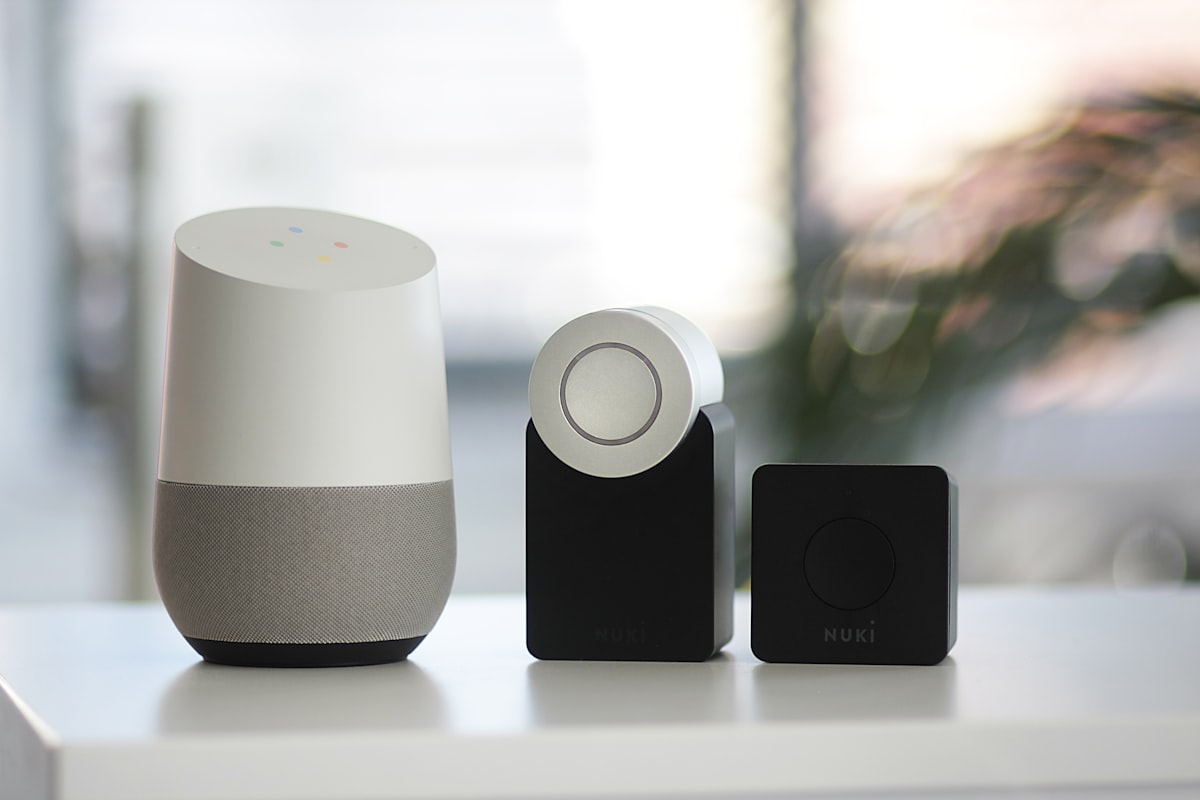
OpenAI's first hardware device is reportedly a screenless smart speaker with ChatGPT integration and the ability to move on its own, positioning it as a 'humanlike AI companion that lives in the home.'
OpenAI Steps Into Hardware
OpenAI is developing its first hardware device — a screenless smart speaker with ChatGPT integration that can move on its own. According to Bloomberg, the device is being pitched internally as a "humanlike AI companion that lives in the home."
This marks OpenAI's transition from a pure software company into the physical product space. Until now, the company has focused on software products like ChatGPT, API services, DALL-E, and Sora. Moving into hardware signals that OpenAI sees a future where AI lives not just in screens but in the physical spaces we inhabit.
A Moving AI Companion
Bloomberg reports that the device is designed to "have a personality" and "learn about its owner over time." It will feature mechanical elements that allow it to move autonomously — a feature that sets it apart from traditional smart speakers like Amazon Echo or Google Nest.
"It feels like a companion and [will] become a physical manifestation of OpenAI's ChatGPT," sources told Bloomberg. The device will have access to the user's digital life — emails, calendars, messages — to provide personalized service.
Former Apple Engineers on Board
The device is being developed with help from former Apple engineers who were instrumental in creating the iPhone and Mac. This is particularly notable given that Apple recently sued OpenAI, accusing the AI company of stealing its trade secrets.
OpenAI maintains that its product "veers significantly from anything Apple has on the market today" and that it is "unlikely that it violates trade secrets" belonging to Apple.
The Growing AI Hardware Market
OpenAI's move comes at a time of rapid growth in the AI hardware space. Hark, an AI lab founded by Brett Adcock, raised an oversubscribed $700 million Series A at a $6 billion valuation to build what it calls "personal intelligence" — proprietary AI models paired with custom hardware.
Despite products still being in early development stages, the amount of capital flowing into this category demonstrates strong market confidence in AI hardware's future.
Implications for Georgian Users
OpenAI's device will likely be in a premium price category, initially limiting its accessibility. However, this trend signals growing AI hardware integration opportunities — Georgian businesses and consumers will increasingly have access to AI-powered smart devices.
For Georgia's tech sector, this is a signal that AI hardware integration is strengthening. Entrepreneurs and developers should prepare for deeper integration between AI and the physical world — whether in smart homes, business automation, or enhanced customer experiences.
Looking Forward
The device is still in development, with a potential 2027 release. Until then, many questions remain — pricing, availability, privacy guarantees. But one thing is clear: the era of hardware AI companions is beginning.