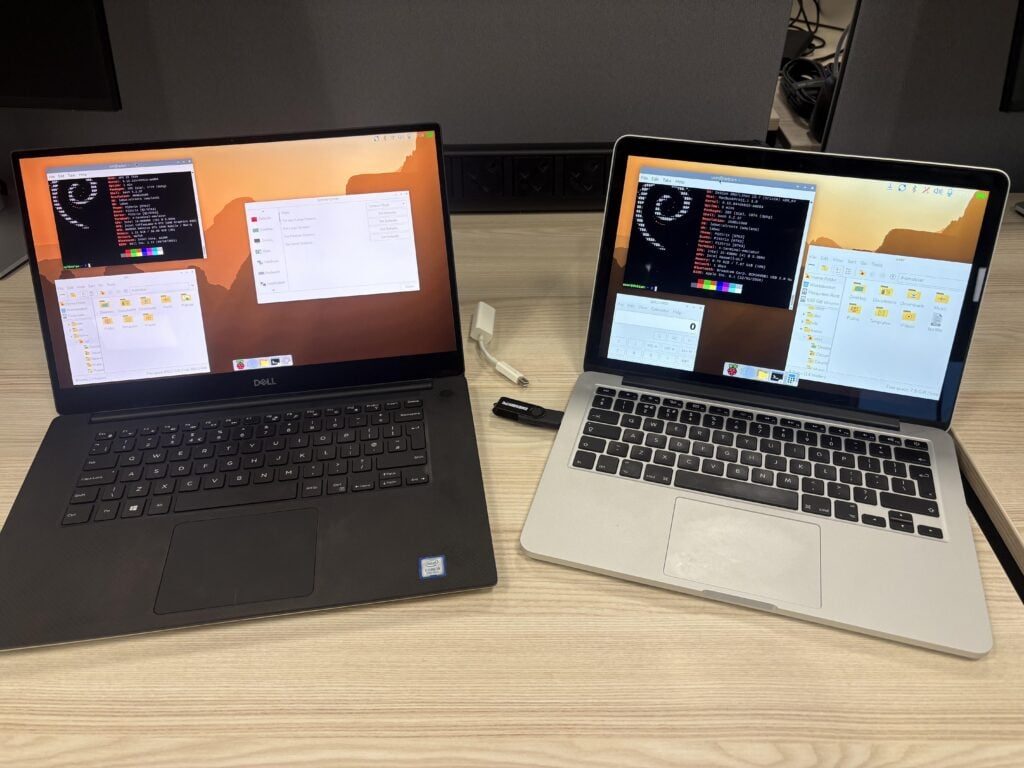
Raspberry Pi Desktop for PC and Mac returns with Debian Trixie update
Raspberry Pi has released a fully updated version of Raspberry Pi Desktop for PC and Mac, now based on 64-bit Debian Trixie. The release includes the Raspberry Pi Connect client and the latest desktop changes.
Raspberry Pi has released a fully updated version of Raspberry Pi Desktop for PC and Mac, based on Debian Trixie. The release ends a long gap in updates for the x86 version of the desktop environment, which had been stuck on the Bullseye release of Debian for several years.
What is new
The new version is based on 64-bit Debian (the amd64 architecture) rather than the older 32-bit version, as Debian itself has stopped supporting 32-bit for PC architectures. Raspberry Pi says most PCs made in the last 15 years will run the 64-bit version, as will most Intel-based Macs. Support for Apple Silicon is not included, as Debian support for those chips is still experimental.
The desktop includes all the latest changes from Raspberry Pi OS, such as the Control Centre and the new dock. In addition, the release adds the Raspberry Pi Connect client, allowing users to control a PC or Mac running the desktop alongside their Raspberry Pis. When setting up Connect on a PC, users are asked to enter a name to identify the device, unlike on a Raspberry Pi where a unique hardware ID is used.
How to get it
Raspberry Pi Desktop is supplied as a downloadable live Debian image. Users can flash the .iso file to a USB stick, insert it into their computer, and boot from the USB. When prompted, choosing "run with persistence" saves any changes back to the USB stick, and the same menu offers an option to reset persistence and restore a clean image.
Once booted, users can install the desktop on their computer's own hard drive or SSD using the standard Debian installer, Calamares, available from a desktop shortcut or the System Tools category of the main menu.
Background and future plans
The project began in 2016, when Raspberry Pi CEO Eben Upton suggested running the desktop on a Mac. A bootable DVD version was given away with The MagPi Magazine that Christmas, and the first installable release followed in 2017. Updates were released for the Buster and Bullseye versions of Debian, but the team then ran out of time to keep the PC version current.
Raspberry Pi says the intention is to continue supporting and releasing the desktop, though this will depend on how popular it proves. The company notes that it makes its money from selling Raspberry Pi computers and has never charged for the software, which made it hard to justify spending engineering time on the PC version. Users upgrading from older 32-bit versions should note that this release is a complete replacement, not an upgrade.
Sources: Raspberry Pi · The Register
SiTech — AI-powered web development
We build fast, modern websites and bring AI into real business workflows. Have a project or a question? We'd love to help.