Stand Raises $70 Million at $1 Billion Valuation to Price Wildfire Risk With Digital Twins
San Francisco insurer Stand has raised $70 million in Series C funding at a $1 billion valuation. The company uses digital twin simulations to price wildfire and hurricane risk home by home instead of by zip code.
Stand Raises $70 Million to Rethink Property Insurance
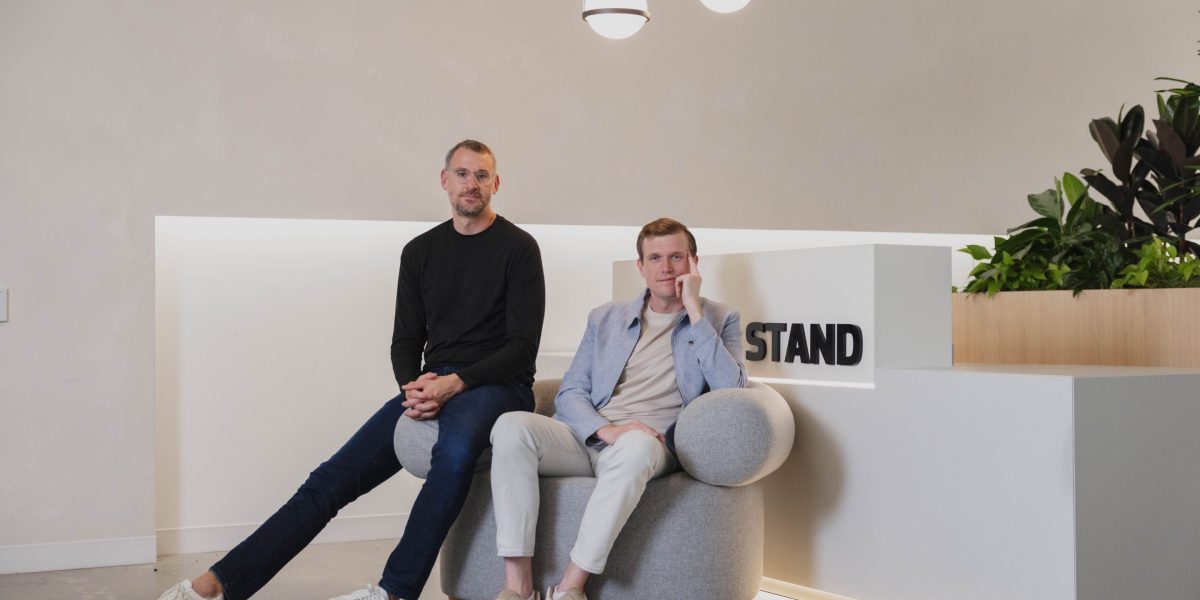
San Francisco home insurer Stand announced on October 15 a $70 million Series C raise at a $1 billion valuation. Saga Ventures led the round, with participation from Lowercarbon, Eclipse, Equal Ventures, Inspired Capital, Neotribe, Jackson Square Ventures and others.
Stand says it now insures more than $10 billion of property, up from $1 billion a year ago. CEO Dan Preston said the business is growing about 15% a month, and that it has done so in only two states: California for wildfire and Florida for hurricanes.
Digital Twins Instead of Zip Codes
Stand's pitch is that insurers have been pricing wildfire risk the wrong way, by looking backward at statistics and sorting homes by zip code. The company instead builds what it calls a digital twin of each property and simulates what would happen if a wildfire or tropical cyclone occurred, factoring in the specific home, materials, arrangement of trees, brush, wind direction and weather.
Chief science officer Matt DiStefano, 29, demonstrated the model on a California neighborhood, zooming into one house and overlaying a heat map. Removing one tree took more than $1,100 a year off the home's premium, he said. The simulations run on computational fluid dynamics physics models, plus an in-house system called the Stand World Model that the company says lets it run simulations instantaneously. DiStefano spent years in aerospace at companies including Boeing and SpaceX before applying simulation techniques to housing.
Backtest Claims an Edge
Stand says it validated the model in a blind, forward looking test against roughly 310 California homes hit by wildfires over the past three to four years, including the Palisades Fire. The model predicted burn or survival about 85% of the time, the company says, while competing location based models with secondary modifiers were right 50 to 55% of the time. The results are Stand's own and Fortune could not independently verify them.
Stand said the model has rated homes as having a 99.8% chance of being lost in a fire, and that targeted mitigation changes recommended by the model brought that figure close to 15%.
Growth Plans and New Hires
Stand, founded about two and a half years ago by Preston, formerly CEO of pay per mile auto insurer Metromile, and chief product officer Jason Mueller, previously of Policygenius, sells through brokers. The company said it plans to expand across the wildfire prone West and the Southeast, and later into regions exposed to severe convective storms, freezes and flooding.
Stand announced two hires: Drew Saad, formerly chief underwriting officer at PURE Insurance, joins as president of property and casualty, and Tony Landi, formerly of Nephila and Openly, becomes chief financial officer. Its policies are issued by Concert Specialty Insurance Company in California and Stand Insurance Exchange in Florida.
SiTech — AI-powered web development
We build fast, modern websites and bring AI into real business workflows. Have a project or a question? We'd love to help.