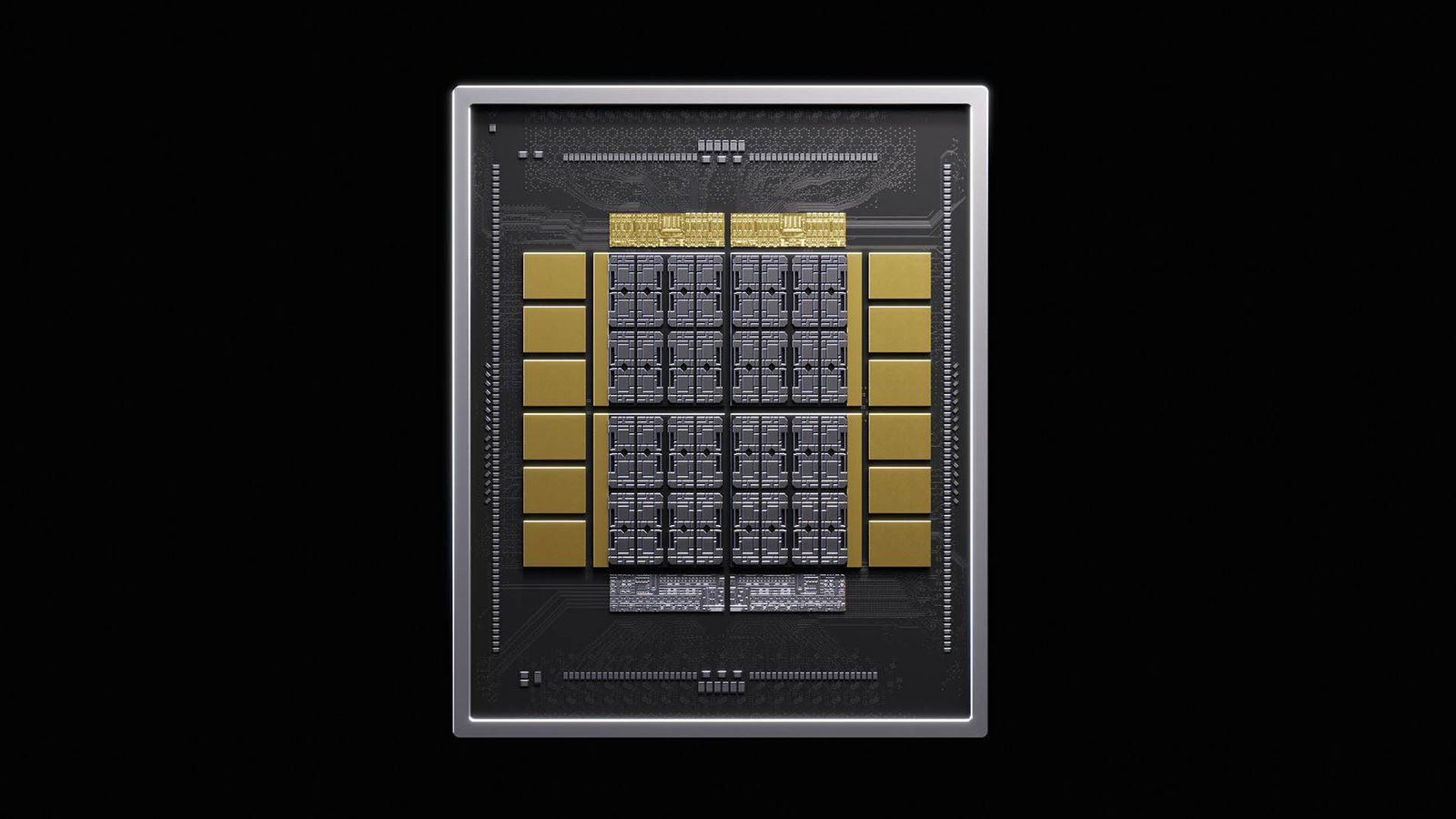
NVIDIA Custom HBM Plan Unites Samsung and TSMC on 3nm Base Die
NVIDIA is pushing its memory suppliers toward one manufacturing process for custom HBM, with Samsung, TSMC, Micron and SK hynix cooperating on a 3nm base die aimed at standardized performance and fewer verification steps.
NVIDIA Asks Memory Makers to Share One Base Die Process
NVIDIA is developing a custom HBM solution, referred to in the report as NVHBM, for its Feynman GPUs. The company claims the in-house design can deliver up to 30 percent more memory bandwidth than standard HBM4E while drawing up to 15 percent less power. To reach those targets, NVIDIA is reportedly asking Samsung, Micron and SK hynix to manufacture the NVHBM base die on TSMC's 3nm node, a move that temporarily aligns the memory suppliers under a single manufacturing process.
Samsung Steps Away From Its Turnkey Approach
Samsung has typically handled both the core and base dies of HBM under a turnkey approach. The custom NVHBM requires a more streamlined manufacturing method, with the base die built on the 3nm node so the finished product needs fewer quality verification steps. According to the report, Samsung has accepted NVIDIA's request, marking the first time the company is moving away from its turnkey model. Samsung is still evaluating its own foundry in case NVHBM demand exceeds TSMC's production capacity, and standard HBM core and base die development will continue to be handled by Samsung.
Standardization and Samsung's Foundry Picture
The core die of the NVHBM must rely on the sixth-generation DRAM process, known as 1c. Micron and SK hynix have joined Samsung in the effort to standardize production, with the goal of consistent performance across vendors. Because only TSMC's 3nm process would be used for the base die, NVIDIA would not need to verify each vendor's samples separately, saving time and resources. The report also notes HBM's role in Samsung's foundry business: the company's estimated foundry loss shrank by 41 percent in a single year, from 6.74 trillion won ($5.1 billion) in 2025 down to 3.92 trillion won ($2.95 billion) in 2026, with HBM credited as a major factor in reducing those losses.
SiTech — AI-powered web development
We build fast, modern websites and bring AI into real business workflows. Have a project or a question? We'd love to help.