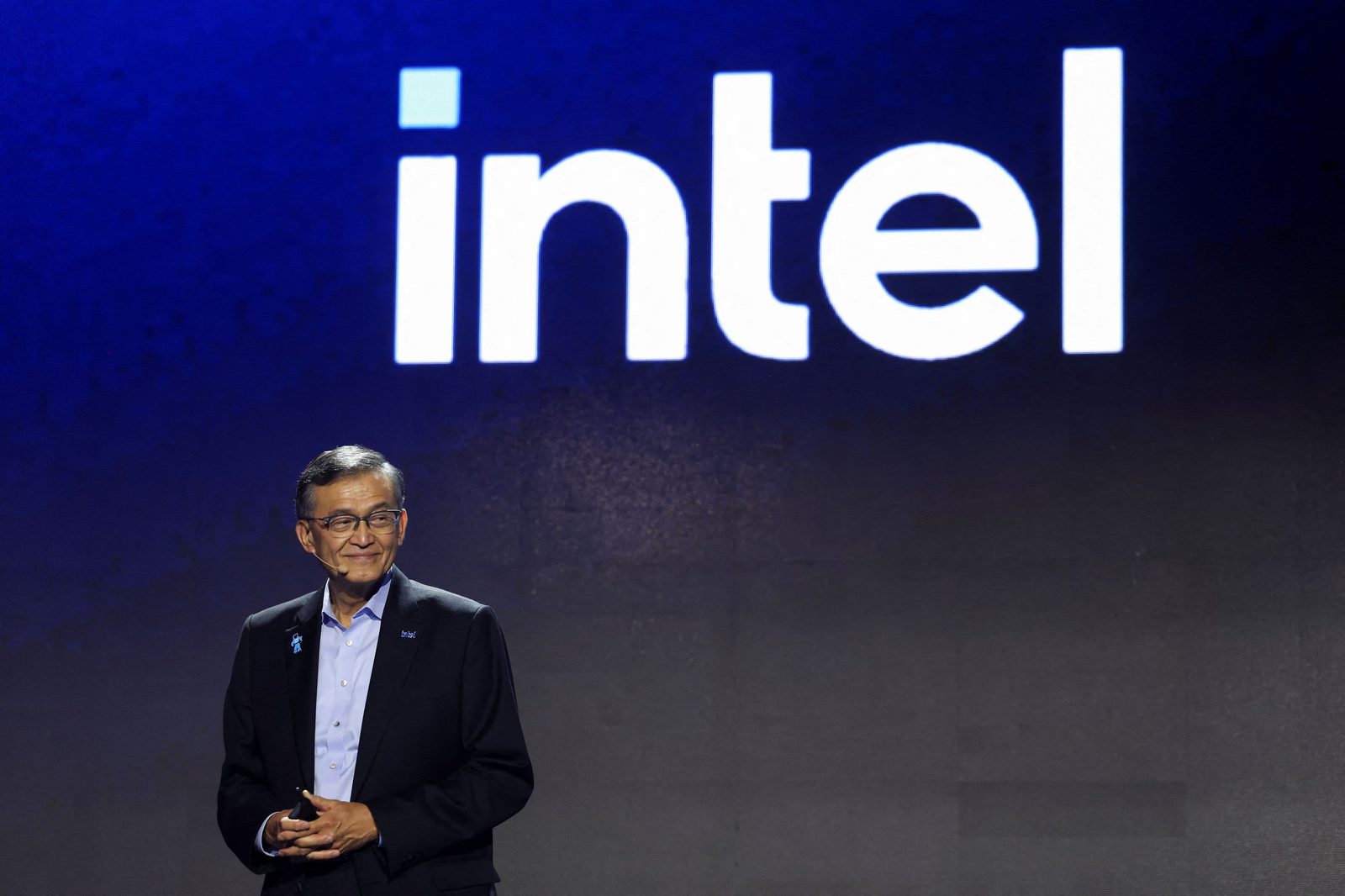
Intel and Broadcom CEOs Warn Capital Crunch Could Constrain AI Boom
Intel and Broadcom executives warned that access to capital could become the biggest constraint on AI expansion, surpassing shortages of chips, memory and power, as borrowing costs rise.
Financing Emerges as Top AI Risk
Intel and Broadcom executives warned on Monday that access to capital could become the biggest constraint on the artificial intelligence boom, even as demand for computing infrastructure continues to outstrip supply. Speaking at the DBS Asia Future Forward Conference in Singapore, Broadcom CEO Hock Tan said financing could turn into a larger obstacle to AI expansion than shortages of semiconductors, memory chips or electricity.
"[What] I think might be the biggest constraint is capital," Tan said, as the industry races to build the infrastructure needed to power increasingly sophisticated models.
Return Questions Loom
Intel CEO Lip-Bu Tan echoed the financing concerns, pointing to the rising cost of capital and questions about whether companies investing heavily in AI will eventually generate sufficient returns. "If there's any challenge in the front, it's capital and the cost of capital, and then the other part is in the longer run, people want to see the ROI," he said.
The warnings come as rising borrowing costs threaten to complicate financing for technology companies investing heavily in AI infrastructure. Higher bond yields could make it more expensive to fund data center construction and chip purchases, potentially putting pressure on projects that may take years to generate returns.
Bottlenecks Expected to Ease
Hock Tan said the industry has repeatedly encountered supply bottlenecks over the past two years, but expects some of those constraints to ease as production capacity expands. "Memory shortage today might not be that way a year from now," he said, suggesting wafer shortages could ease by 2028 or 2029 and that power availability could also improve as new infrastructure comes online.
Demand Outpacing Supply Through 2029
Despite the financing concerns, both executives remained bullish on near-term demand. "There is more demand for compute infrastructure than we can supply," Hock Tan said, adding the imbalance could persist through 2029 and potentially into 2030. Intel's Tan similarly said the industry was unlikely to see a significant slowdown over the next two to three years, citing growing adoption of AI applications and demand for computing power.
However, both executives cautioned that sustaining growth beyond the next few years will depend on how quickly businesses adopt AI and whether the technology delivers meaningful economic benefits. Hock Tan said demand could slow if adoption of advanced AI models disappoints or improvements in their capabilities plateau, while Lip-Bu Tan emphasized that companies will increasingly need to demonstrate tangible returns through improved efficiency and new business models.
Sources: Cnbc · Bloomberg Via Techmeme
SiTech — AI-powered web development
We build fast, modern websites and bring AI into real business workflows. Have a project or a question? We'd love to help.