Your Living Room, The Server Room: Sunrun Will Pay You to Host AI Compute Nodes at Home
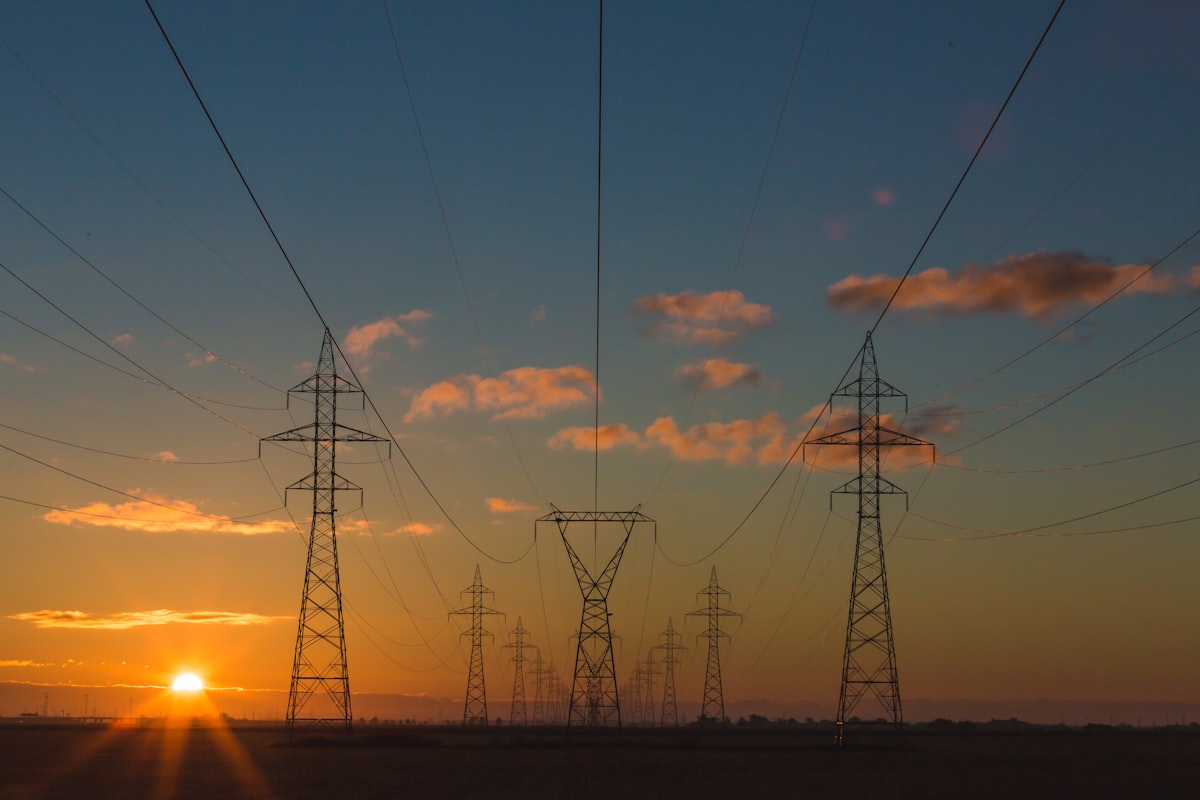
Sunrun is piloting a program to place AI compute nodes in homes with solar and battery storage, paying customers to host the hardware and selling the distributed compute power to AI companies.
Introduction: A New Model for AI Compute
As demand for AI compute infrastructure continues to grow exponentially, Sunrun, a leading US residential solar and energy storage company, is pioneering a radical new model — putting AI compute nodes in customers' homes.
Sunrun recently announced a pilot program for "distributed AI compute," where "compute nodes" will be placed in homes equipped with Sunrun solar panels and batteries. Participating customers will be compensated. Sunrun will then sell the distributed compute power to AI companies.
Why Distributed Data Centers Are Needed Now
The traditional centralized data center model is struggling to keep up with surging AI compute demand. A survey showed over 70% of Americans oppose new data center construction in their areas, due to concerns about pollution, noise, and water and electricity use. Distributed data centers offer an alternative by spreading compute across smaller nodes in existing buildings.
How the Sunrun Model Works
The Sunrun program leverages its 1.1 million customers who already have solar panels and batteries on their homes. The solar panels generate electricity for the compute nodes during the day, while the batteries provide power at night or during peak hours. The customer gets compensated — either through selling excess power or through hosting the node.
Challenges and Opportunities Ahead
There are real questions about scalability: how many homes can realistically host these nodes? Is security adequate for AI workloads? Will homeowners be comfortable with buzzing hardware in their living rooms? If successful, this model could reshape how we think about compute infrastructure.
Implications for Georgia's Energy and Tech Sectors
Georgia has significant untapped solar energy potential, especially in coastal regions and Kakheti. Although Georgia lacks Sunrun's scale, the distributed compute model creates interesting opportunities. For SiTech, this emerging trend opens up conversations about sustainable AI infrastructure.
Conclusion
Sunrun's pilot program represents a significant shift in how we think about compute infrastructure. Data centers are no longer just massive warehouses in remote locations — they're becoming part of the fabric of our cities and homes. For Georgia, this trend is particularly interesting given the country's growing tech sector and renewable energy potential.