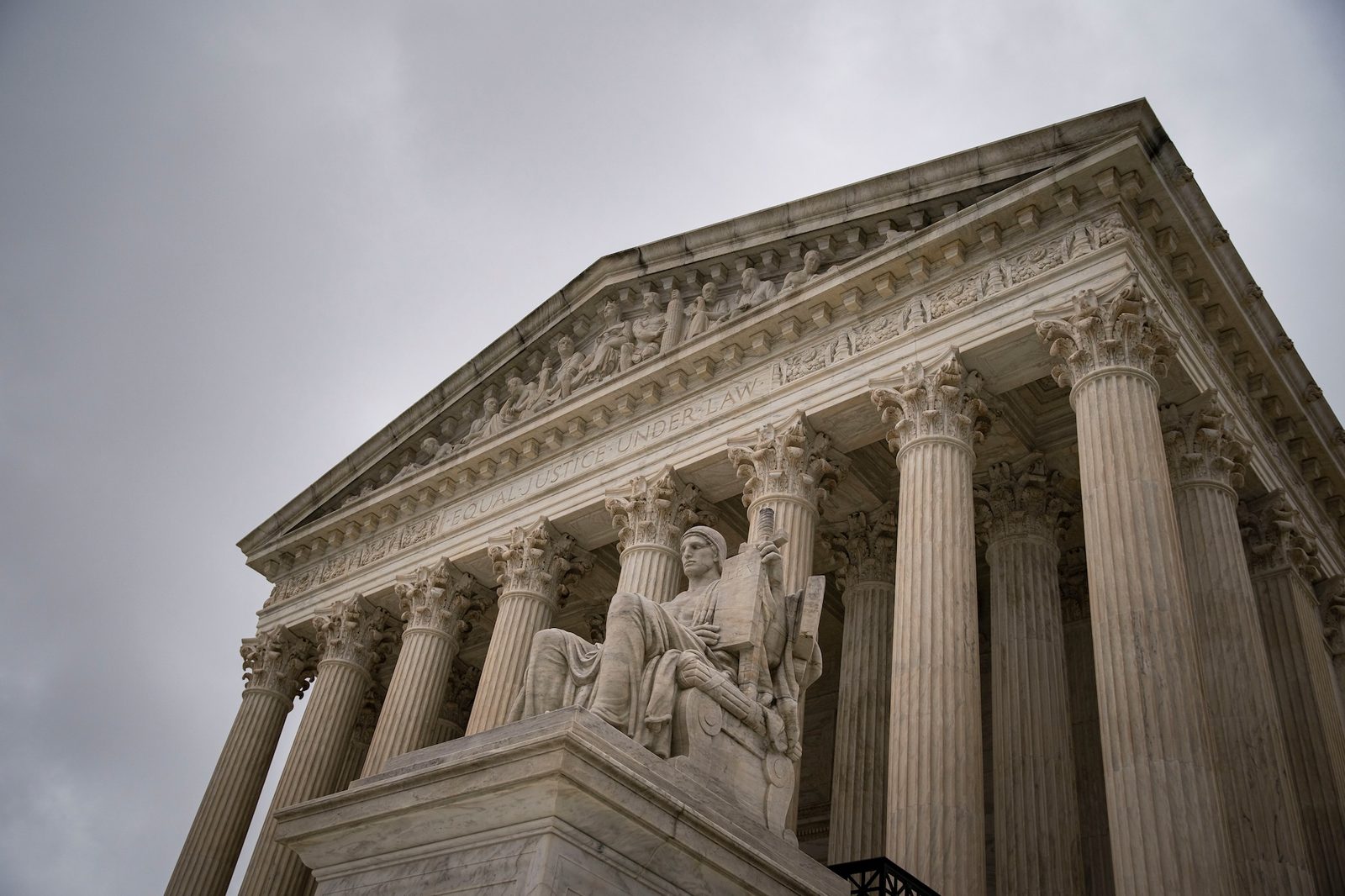
Supreme Court permits states to use SAVE database for citizenship checks
The U.S. Supreme Court has allowed states to use the federal SAVE database to verify voter citizenship, staying lower court rulings that called the database inaccurate. Three justices dissented over privacy and procedure.
The U.S. Supreme Court ruled on Friday, September 25, that states may use the federal SAVE database to verify voter citizenship. CyberScoop reported that the ruling stays lower court decisions which found the database inaccurate and likely to disenfranchise eligible voters.
What the majority decided
In its opinion, the majority wrote that "the Federal Government has an obligation to respond to requests from state and local election officials seeking to verify the citizenship of voters." It said the District Court's order "inhibits the Federal Government's efforts to assist state and local agencies in the proper administration of the midterm elections," and concluded that "the equities weigh in favor of a stay."
A benefits database repurposed for voter screening
The Department of Homeland Security (DHS) originally designed SAVE to determine benefit eligibility for immigrants and to track applicants pursuing U.S. citizenship. Under the Trump administration, the system was repurposed to screen voters for citizenship. Critics say the tool is outdated and often inaccurate, and that it poses a significant risk of wrongly removing eligible voters from the rolls.
Voting rights groups, among them the League of Women Voters and the Electronic Privacy Information Center, sued last year, arguing that combining SAVE data with Social Security records violated confidentiality provisions of the Social Security Act, the Privacy Act and the Administrative Procedures Act. DHS did not publish a legally mandated system of records notice (SORN) on the privacy impact of the changes and offered no public comment period, announcing in May 2025 that the database was ready for use.
Dissent and a limited short-term effect
Justices Ketanji Brown Jackson, Sonia Sotomayor and Elena Kagan dissented, writing that "without full briefing or oral argument, this Court now grants [a stay]—rendering questionable interim rulings about two statutory provisions it has never before interpreted." The administration cited the Illegal Immigration Reform and Immigrant Responsibility Act to justify merging DHS and Social Security data, but lower courts rejected that argument; Jackson called the majority's reading a "back-of-the-napkin assessment" that is "implausible."
Most states have resisted federal citizenship-verification efforts, and the administration has lost 23 federal court cases in attempts to compel states to share additional data. Election experts said the ruling's impact on the 2026 midterms is likely to be limited because federal laws bar states from changing voter registration within 90 days of an election. David Becker of the Center for Election Innovation and Research said states may still find SAVE helpful "alongside other mechanisms," even as DHS admits the data is not perfect.
SiTech — AI-powered web development
We build fast, modern websites and bring AI into real business workflows. Have a project or a question? We'd love to help.