Ten Lines of Code That Changed a Developer's World: From Hello World to a CSS Poem
On his blog Pixel Ambacht, developer Roel Nieskens collected ten lines of code that changed his world: some he wrote, some he copied, and some simply made him laugh. The list runs from a childhood BASIC line to self-modifying 6502 assembly.
On September 25, 2026, developer Roel Nieskens published a personal list on his blog Pixel Ambacht: ten lines of code that changed his world. Some he wrote, some he copied, some simply made him laugh. Taken together they trace four decades of programming culture, from a child's first program to CSS written against a tweet's character limit.
From "Hello World" to code that rewrites itself
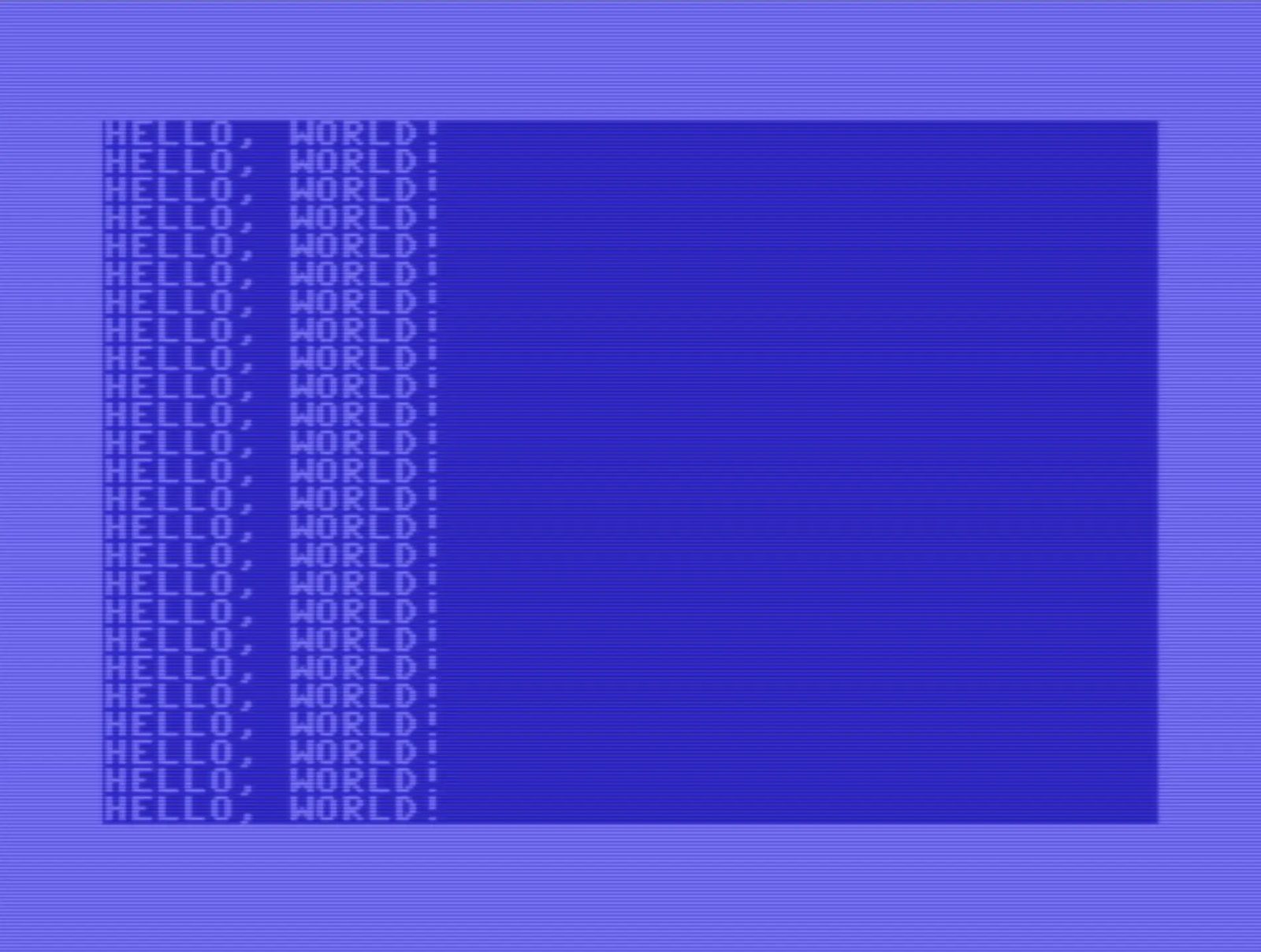
The oldest entry is the simplest: two BASIC lines, 10 PRINT "HELLO, WORLD!" and 20 GOTO 10. Nieskens cannot recall when he typed them first, but he remembers the computer cheerfully greeting the world, and the second line teaching him that it will do anything you tell it to.
JavaScript appears as a deliberately absurd one-liner, Array(16).join('wat' - 1) + ' Batman', which turns sixteen repeats of the string "wat" into a punchline. It can be pasted into any browser console.
The third snippet is a different beast: a self-modifying 6502 assembly routine that copies a page of memory from $2000 to $0400 and then increments the high bytes of its own address operands, so the loop advances by $100 each round until the value reaches 7. Nieskens calls this "as low-level as it gets, hardcore, and slightly dangerous".
Small tools that outlived whole operating systems
Three entries are everyday workhorses. The batch script touch.bat gave the author a poor man's touch on Windows, used from Windows NT through Windows 7 via Total Commander's mini-shell. The CSS debugger border: 10px solid hotpink; is, in his words, the console.log of the cascades, always hotpink. And one command, POKE 9450,173, wrote a single byte into a running game's memory to grant infinite lives, energy or money.
Jokes, cheats and internet folklore
The remaining entries are as much about humor as about code. The speed-up loop, for (i=0; i<1000000; i++), comes from a story on The Daily WTF: in a slow week, an engineer deletes one zero and reports "deep-juju optimization" to his manager. For Linux users of the 2000s, IRC help always ended with the same magic cure, rm -rf / run as root, after which every Linux problem disappeared without a trace.
Two entries are personal projects. In the early 90s, Nieskens and his friends scanned their school LAN for dormant accounts with default passwords using SKAN2.PAS, a crude Borland Pascal username scanner with more bugs than lines of code. Years later he squeezed an animated poem into 280 characters of pure CSS: "Roses are #F00 / Violets are #00F / All my base / Are belong to you". He is especially proud of the 1e+9 animation duration, shorter than "infinite" in both time and characters.
The list is not a ranking, but a reminder that code is not only work: a snippet can carry a memory, a joke, or a lesson about how computers behave.
SiTech — AI-powered web development
We build fast, modern websites and bring AI into real business workflows. Have a project or a question? We'd love to help.