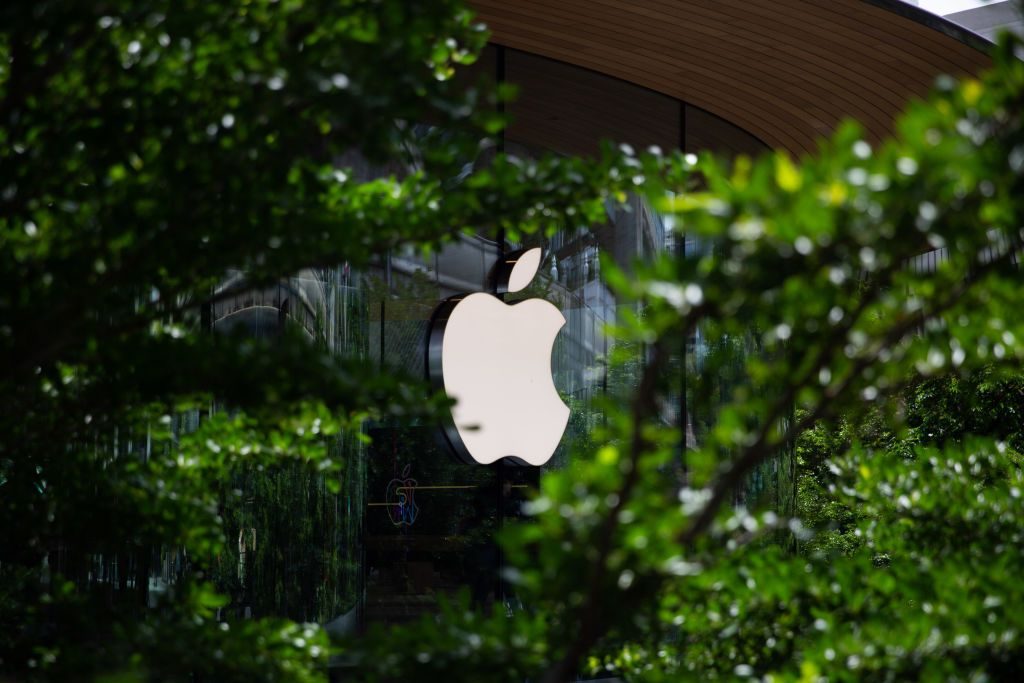
Apple retail pioneer Ron Johnson doubts AI will change how we shop
Ron Johnson, who built Apple's retail stores, says AI will improve online shopping but won't change how people shop. He doubts anyone will let an agent buy a $2,000 laptop, and explains why stores still matter.
Ron Johnson, 66, built Apple's retail stores from 2000 and turned them into the company's main channel for selling products. He is skeptical of the industry's bet that AI agents will take over more of our shopping.
A new technology, not a new habit
Silicon Valley is spending billions so AI agents can shop for us, but Johnson argues the industry overestimates how much shopping people will hand to machines. “AI is a new technology that will improve the online shopping experience,” he said in an interview. “But I don't know that it's going to change which way we shop.”
The agentic commerce push
Google is promoting a Universal Commerce Protocol, a standard meant to take consumers from product discovery to checkout with AI agents. OpenAI is turning ChatGPT into a shopping destination where users can research, compare and buy without leaving the chatbot — a push the industry calls agentic commerce.
Asked if he could imagine someone letting an agent buy a $1,000 or $2,000 laptop without visiting a website or a store, Johnson was blunt: “Honestly, nobody's going to do that.” A laptop is too personal a purchase, he argues: buyers want to feel its weight, see the display and pick the right size. “AI will never be able to have you physically experience a product,” he said, expecting agents to leave shoppers better informed instead: “They'll just become more informed shoppers when they come to the store.”
People, not glass
The argument goes back to a decision Apple made over two decades ago: its stores were designed not only as places to buy Macs, but to try products, learn how to use them and return for help. Johnson revisits that work, done alongside Steve Jobs, in his new book, “Shop Different: How Retail Revealed Apple's Genius.”
Competitors borrowed the glass-heavy designs, open layouts and versions of the Genius Bar, he says, but often missed the people. “The secret sauce for Apple has always been its people, the people in the store, and how they treat the customer.” Apple Store staff are not paid on commission — an approach meant to remove the pressure to sell.
From J.C. Penney to AI optimist
Johnson left Apple for J.C. Penney in 2011 to revive the struggling department-store chain and was ousted less than two years later after sales plunged. He says he tried to change too much, too quickly: “I applied a startup mentality to what needed to be a turnaround transformation.” He later founded Enjoy Technology, which delivered tech products and setup to people's homes; it went bankrupt in 2022 and sold almost all its assets to Asurion.
He remains a believer in the technology. “I'm a real believer in AI. I'm an AI optimist,” Johnson said, adding that Jobs would likely have embraced AI — but not as a substitute for human judgment. “There's no substitute for human intuition.”
SiTech — AI-powered web development
We build fast, modern websites and bring AI into real business workflows. Have a project or a question? We'd love to help.