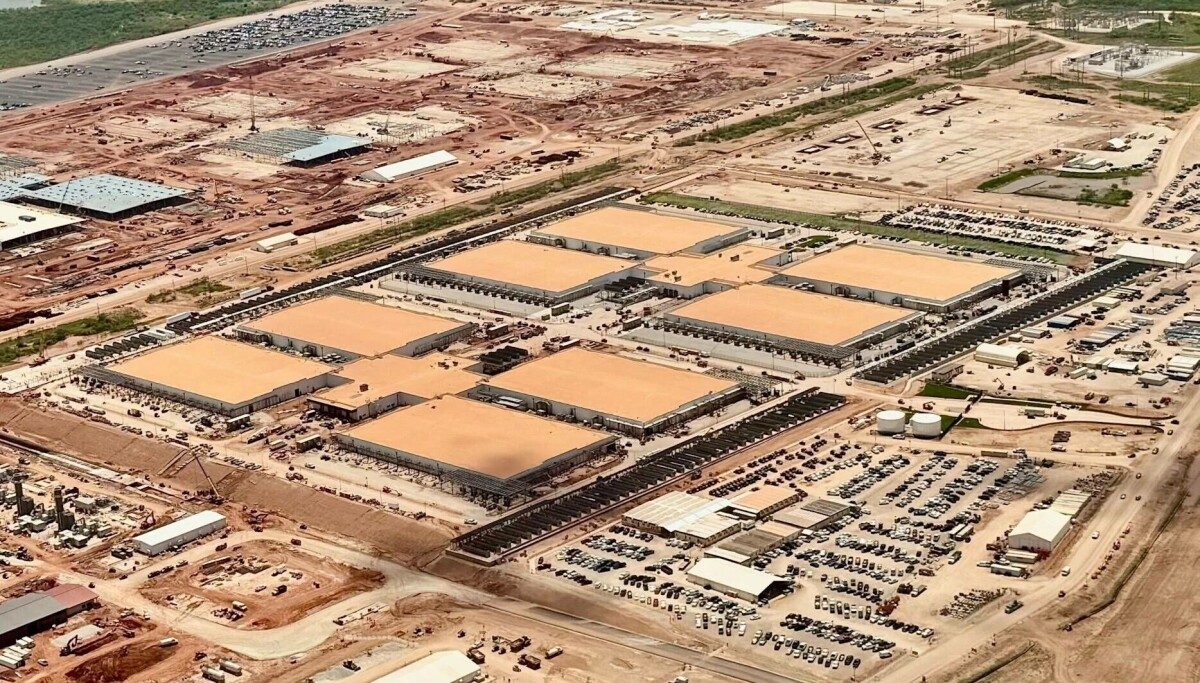
The more Americans hear about datacenters, the less they like them
Pew Research Center's latest survey shows a sharp rise in negative views of datacenters in the US: 54 percent say they are mostly bad for the environment, half cite household energy costs and 49 percent nearby residents' quality of life.
Americans' view of datacenters has darkened sharply this year, according to a Pew Research Center survey that found big rises in negative assessments of their effect on the environment, household energy bills and nearby communities.
Pew surveyed 10,548 US adults between July 20 and August 9. Fifty-four percent said datacenters were mostly bad for the environment, up from 39 percent in January. Half said they were mostly bad for household energy costs, up from 38 percent, while 49 percent viewed them negatively for the quality of life of nearby residents, up from 30 percent.
Only 4 percent call the impact mostly good
In each of those categories, just 4 percent of respondents described the impact as mostly good. Views were more evenly divided on local employment and tax revenue, and 12 percent said they had not heard of datacenters at all.
The shift spans demographic groups: men and women, adults of every age and education level, and urban, suburban and rural residents have all grown more negative since the start of the year.
The change crosses party lines
Democrats and Democratic-leaning independents remain more negative than Republicans and Republican leaners, but the gap is narrowing: among the latter group, 42 percent now say datacenters are mostly bad for nearby residents' quality of life, up from 24 percent in January.
Scrutiny is growing
The findings land amid growing scrutiny of datacenters' electricity and water consumption and their effect on household utility bills. The Register has reported on US senators investigating rising energy bills, gaps in operators' disclosure of emissions, and allegations that compute sheds consume more water than their owners acknowledge.
Amazon's chief sustainability officer said this week that communities should hold the company accountable over datacenters and called for greater transparency about their effects. The industry has long recognised its image problem: at last year's Datacloud Global Congress, executives discussed ways to win over communities increasingly wary of new facilities.
Republican officials are split. Trump has consistently supported datacenter construction, arguing it is needed for the US to compete with China, while Texas Governor Greg Abbott imposed a statewide moratorium in August after previously backing expansion. Trump has also blamed opposition to datacenters on Chinese propaganda.
Whatever the cause, 60 percent of respondents said they would be not too or not at all comfortable with a new datacenter operating nearby, a view shared by majorities of urban, suburban and rural Americans alike.
SiTech — AI-powered web development
We build fast, modern websites and bring AI into real business workflows. Have a project or a question? We'd love to help.