US Law Enforcement Tracks AI as Both Terrorist Tool and Target
Documents obtained by the Guardian show US law enforcement agencies have treated artificial intelligence as both a weapon for extremists and a target since 2021, tracking bomb plots, datacenter threats, and anti-AI sentiment.
AI as a Tool for Attack Planning
Law enforcement agencies across the United States have treated artificial intelligence as both a potential weapon and a target of extremists since 2021, according to more than 80 documents and memos reviewed by the Guardian. The materials, distributed among federal, state and local offices including the Department of Homeland Security, the FBI and the New York City police department between 2021 and 2026, were obtained by the government transparency non-profit Property of the People.
The concerns gained urgency after a 25-year-old man detonated a car bomb outside a Palm Springs fertility clinic in May 2025, killing himself and injuring four others. A previously unreported memo said the suspect used an unnamed generative AI tool that failed to detect his request for bomb-making instructions, and that the privacy of chatbot conversations hindered police awareness. The FBI's Los Angeles division warned in May 2026 that threat actors would likely increase their use of GenAI tools for attack planning and that built-in safeguards were insufficient against jailbreaking techniques.
Extremists Target AI Infrastructure
The documents also show agencies monitoring opposition to datacenters among groups with extremist ideologies. An October 2021 joint threat analysis from DHS, the National Counterterrorism Center and the FBI highlighted a plot by Seth Pendley, a January 6 rioter and far-right militia member, to blow up an Amazon Web Services facility. Pendley believed a successful attack would disrupt 70 percent of internet service and lead to revolution. He pleaded guilty to attempting to destroy a building with an explosive and was sentenced to 10 years in prison in 2021.
Fusion centers around the country later warned of growing threats from domestic violent extremists, citing posts on social media, messaging apps and forums such as 4chan in which commenters vowed to destroy datacenters. A 2025 Philadelphia police intelligence bulletin quoted a white supremacist posting on Facebook about bringing a "tannerite and gasoline" vibe to AI data centers. Agents also warned of discussions on far-right forums about killing AI company CEOs and local officials who support datacenters.
Policing in the Age of AI
Law enforcement's concerns extend to AI-enabled crimes against officers themselves. In March, a man was arrested in Florida for showing an officer an AI-generated video of his patrol car being broken into, and a man in New York was arrested for using AI to create false evidence that his car was damaged by police. An August 2025 NYPD memo warned that agencies must keep pace with AI advancements while calming public fears over surveillance and the use of AI in policing, including rumors about humanoid robots in the police force.
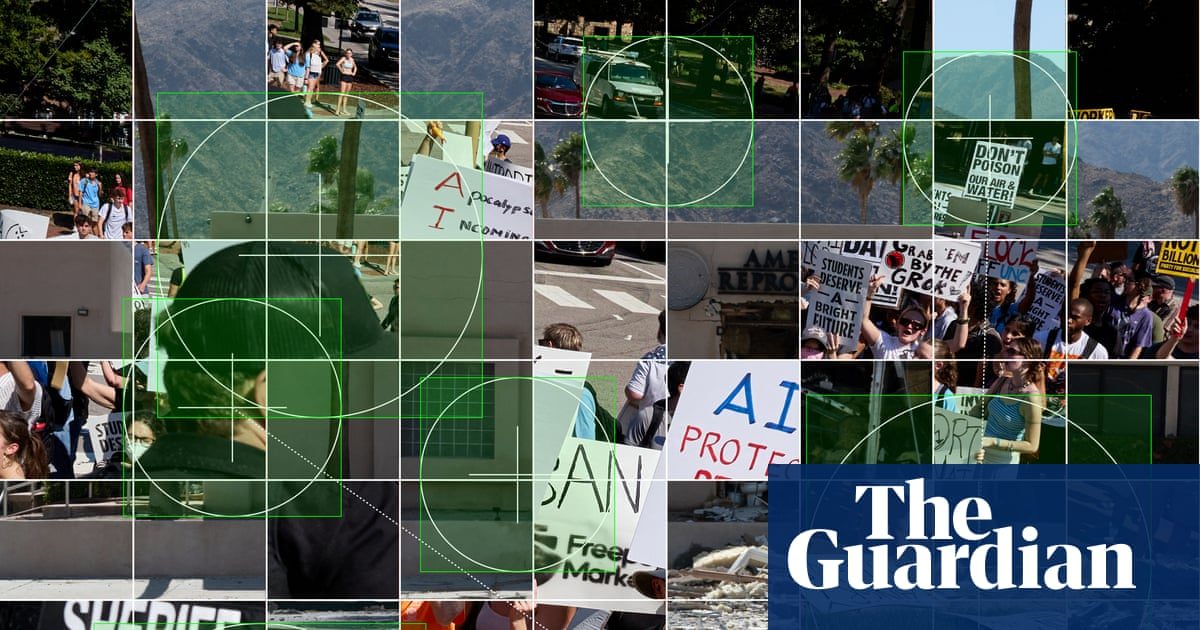
The documents also raise questions about the scope of monitoring. A Nevada Threat Analysis Center report from April 2026 cited a Reno City Council hearing on a datacenter moratorium, where residents raised concerns about water consumption, utility costs, pollution and climate impacts. Ryan Shapiro, executive director of Property of the People, said there was nothing extreme about objections to AI and datacenters, and called it extreme for law enforcement to treat legitimate objections as threats to be neutralized.
Sources: The Guardian · Techmeme
SiTech — AI-powered web development
We build fast, modern websites and bring AI into real business workflows. Have a project or a question? We'd love to help.