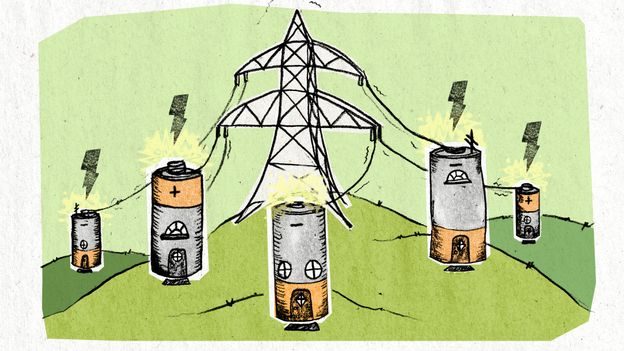
Vermont is replacing peaking power plants with home batteries
Green Mountain Power has stitched more than 5,500 home batteries into one virtual power plant that now serves as Vermont's largest power source, displacing the fossil-fuel plants it once used to meet peak demand.
Vermont's largest utility has assembled a power plant out of household equipment: more than 5,500 home batteries now work as one virtual power plant, and it is the state's biggest source of electricity. Green Mountain Power (GMP), which serves over 75% of Vermont, leases two batteries to a home for $55 a month.
In return it can call on that stored energy when the grid is strained. Started as a 2017 pilot, the programme now supplies about 110MW, comparable to a small gas plant.
Two batteries instead of a generator
Pollyanna Bladyka, in the rural town of Springfield, used to lose power a dozen times a year. In 2024 she was about to buy a gas generator when the electrician she hired mentioned GMP's battery lease. She and her husband chose it over the $12,000 generator and have not lost power since; the battery runs the house for two days, she says, if heavy loads such as laundry are kept low.
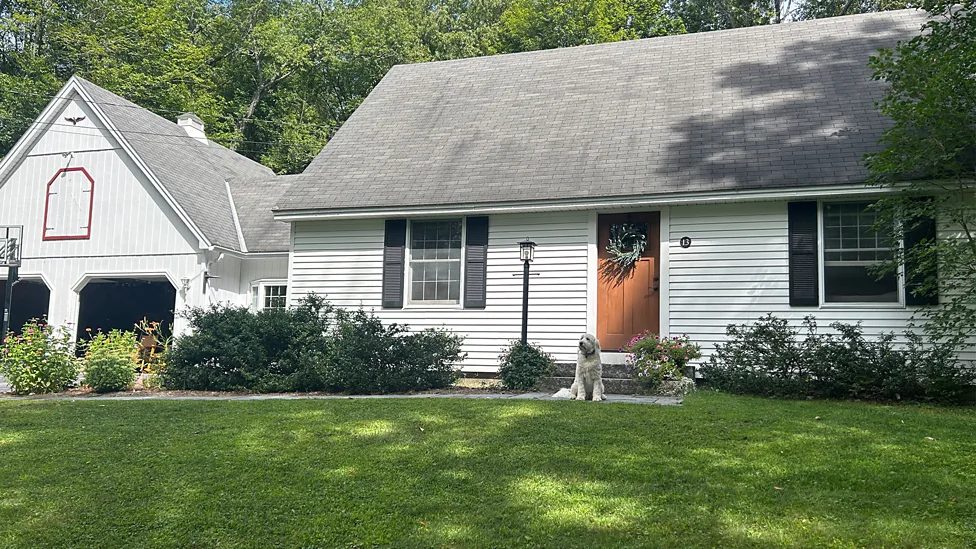
"I'd like to say I did it for the environment, but I did it for myself. But I don't mind helping," she told the BBC in May 2026. Megan Browning, in northern Vermont, has two batteries and rooftop solar; when a storm brought down a line near her home, neighbours lost power while she "didn't even notice a flicker".
How the aggregation works
A virtual power plant does not generate electricity itself. It pools thousands of consumer devices, from home batteries and rooftop solar to smart thermostats and EV batteries, into one orchestrated system the grid can call on like a conventional plant. Software shifts and conserves energy so demand falls when the grid needs it most; about half of the battery homes also have solar, and participants keep a reserve.
Who pays, and what the grid gets
GMP once met peak demand, a few hours a year, with oil, diesel and gas "peaker" plants; it is now retiring them as they age, though four still run occasionally when the regional New England grid operator calls. GMP says its virtual power plant saved customers $11m last year, and the US Energy Department estimates such systems could save the country over $10bn a year by 2030.
"A virtual power plant is a way for a utility to pay people to provide services it usually pays big companies to provide for the grid," says Ben Hertz-Shargel of the New Jersey Board of Public Utilities.
Utilities, former Energy Department official Jen Downing notes, earn more by building new infrastructure than by managing demand. GMP aims to offer storage to all of its almost 300,000 customers and to double its virtual power plant by 2034.
SiTech — AI-powered web development
We build fast, modern websites and bring AI into real business workflows. Have a project or a question? We'd love to help.