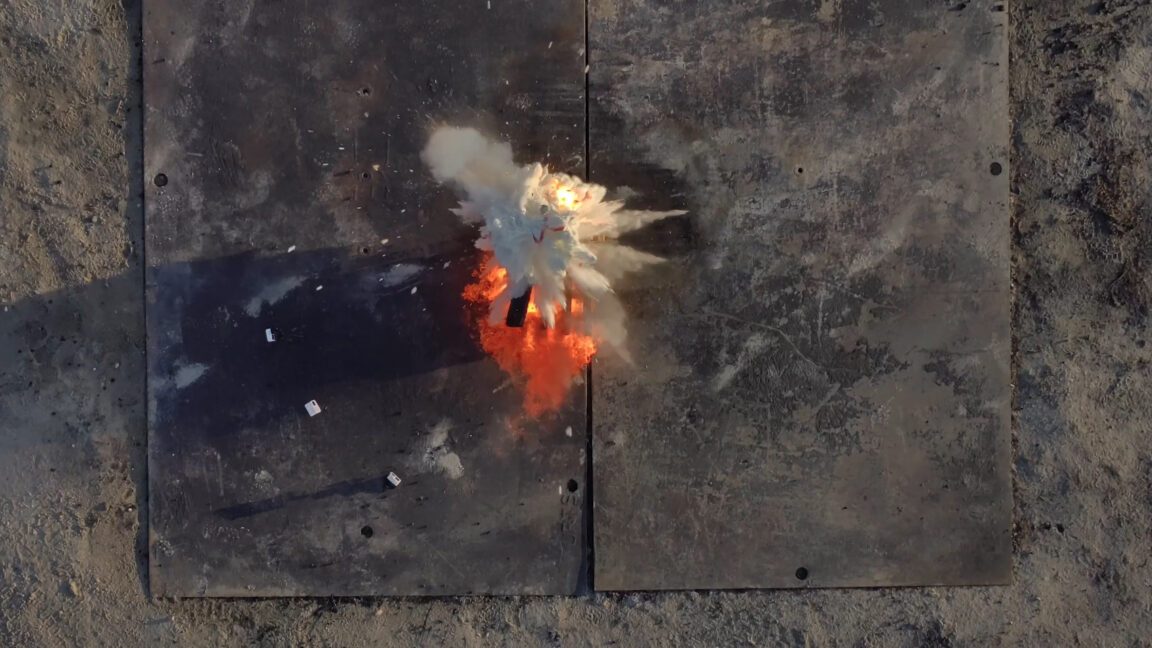
XPRIZE Wildfire winners spotted fires within 10 minutes but couldn't put them out
The $11 million XPRIZE Wildfire competition named its winners, but neither grand prize was awarded: teams can now detect a blaze within 10 minutes, yet stopping one that fast remains out of reach.
The XPRIZE Wildfire competition, an $11 million contest for autonomous wildfire detection and response, announced its winners on September 23 — but neither grand prize was awarded. The results showed that spotting a fire within 10 minutes is achievable, while extinguishing one that fast remains out of reach.
The contest ran two tracks: the first required teams to detect every fire across a large part of Australia within 10 minutes using space-based systems, while the second — the Autonomous Response track — asked them to autonomously find and put out a high-risk fire in rural Alaska, ignoring decoy fires, within 10 minutes of ignition.
Space-based fire spotters
The detection track drew 45 qualified technical submissions. Andrea Santy, program director of XPRIZE Wildfire, explained that existing satellites were not built for wildfire detection, so teams use their data in a wildfire context.
Finalists were tested in April 2026 in Australia; nobody won the $3.5 million grand prize funded by the Minderoo Foundation. The UK-based SIRIUS Wildfire Alliance took $500,000 for a system combining optical and radar satellite data, Team Snuffed of Arizona won $250,000, and $100,000 recognition prizes went to MyRadar, DeepFire and Mayday.AI.
Send in the drones
The autonomous response track initially attracted more than 300 teams. Three finalists were tested in June 2026 near Nenana, Alaska: all three found the target fire in under 10 minutes across a 386-square-mile area, two sent drones to attack the flames, but none put it out completely.
"One team did all of the actions within the 10 minutes and very accurately hit the fire," Santy said. "But they couldn't put enough suppressant on it to knock it down entirely."
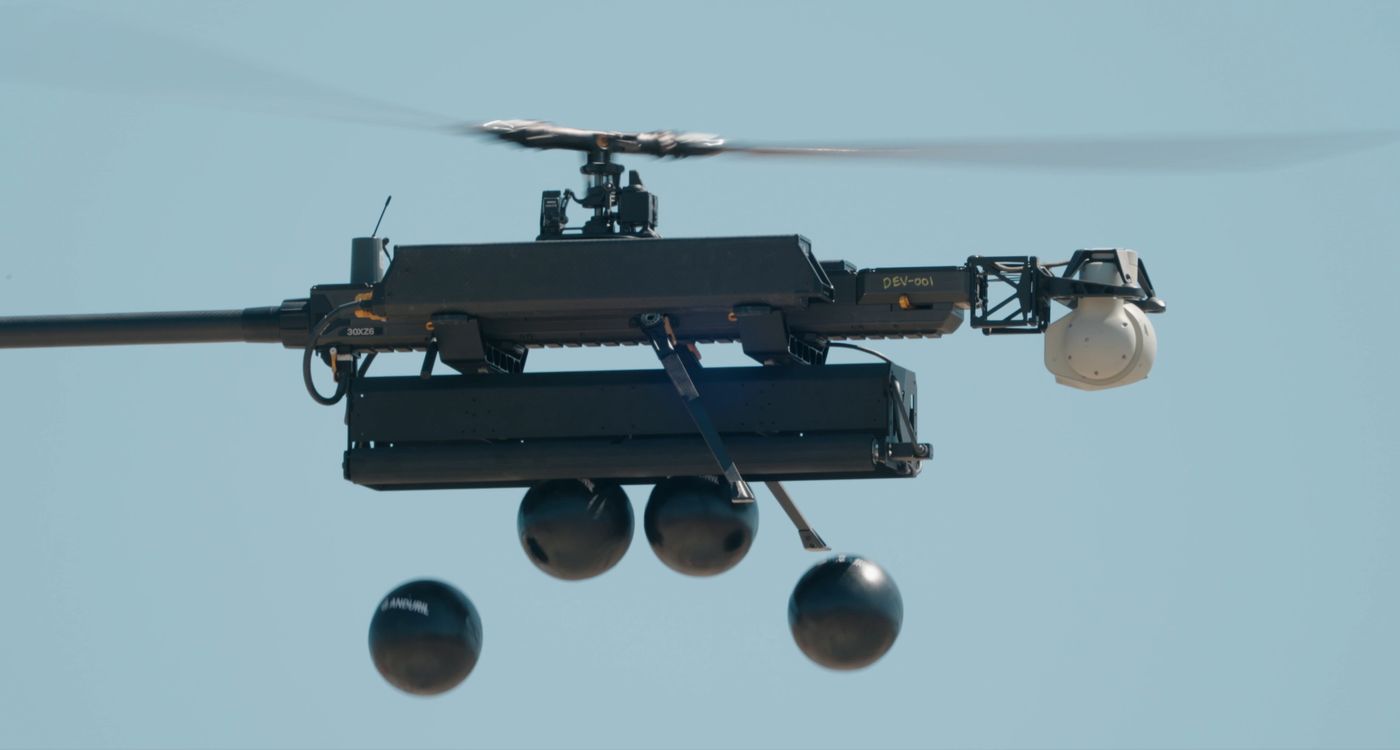
Anduril Industries won first place and $1.2 million: its Sentry Tower used thermal sensors and AI computer vision to spot ignitions, then a Ghost-X autonomous drone dropped fire-retardant balls on the target. Germany's Dryad Networks took second place and $800,000, while the $500,000 third prize went to the UK–Australian team AURA Foresight.
Why it matters
The competition launched in April 2023, the year a wind-driven fire destroyed Lahaina on Maui and killed at least 102 people. In January 2025, fires in Los Angeles destroyed almost 12,000 homes and caused an estimated $140 billion in losses, and in 2026 wildfires threatened NASA's complex near Madrid and forced more than 320,000 people to evacuate in Spain and France.
SiTech — AI-powered web development
We build fast, modern websites and bring AI into real business workflows. Have a project or a question? We'd love to help.