London facial recognition trial ends with one false positive and no arrests
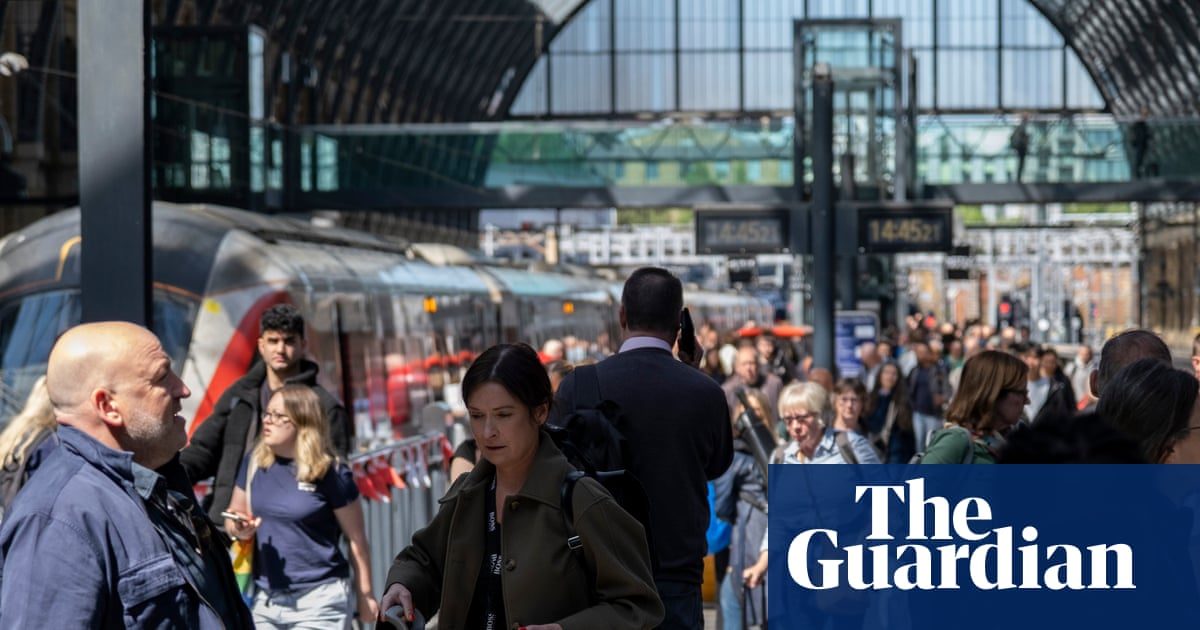
More than half a million faces were scanned at London railway stations during a six-month live facial recognition pilot that cost £320,786 and produced a single incorrect alert and no arrests.
A six-month trial of live facial recognition (LFR) cameras at London railway stations ended with a single incorrect match and no arrests, according to freedom of information documents obtained by Liberty Investigates and shared with the Guardian.
What the trial produced
More than half a million faces were scanned between February and July this year at some of the capital's busiest transport hubs. Equipment hire and police staffing for 18 deployments cost taxpayers £320,786, while the pilot consumed almost 100 hours of officers' time.
Only one alert was raised against a police watchlist, and it turned out to be an incorrect identification, or false positive. No arrest followed directly from an LFR alert.
Criticism and calls for oversight
Fraser Sampson, the former UK biometrics and surveillance camera commissioner and now a non-executive director of Facewatch, said the police must show the use of the technology is proportionate. "There are many variables and all need to align: the choice of location, times of day, make-up of the watchlist and likelihood of people being present," he said.
"Success in a shop means no such people coming in. Success for the police trying to catch people means people being caught. In that respect the trial doesn't appear to have been very fruitful," Sampson added. If someone is not on a watchlist, he noted, the cameras do not "see" them and do not retain their image the way CCTV cameras do.
Parliament's joint committee on human rights identified the rollout of live facial recognition as a "particularly clear example of risk" and urged the government to legislate on the threat AI poses to human rights. Bell Ribeiro-Addy, Labour MP for Clapham and Brixton Hill, called the technology "a serious invasion of our privacy" and said its rollout should be suspended until stronger safeguards are in place.
BTP's position and the extension
A BTP spokesperson said the pilot was launched to understand how the technology could most effectively help identify wanted offenders and people who may pose a risk to passengers and staff. Officers made a number of associated arrests, including for assault, theft and possession of an offensive weapon, but those did not result directly from an LFR alert and are not counted in LFR performance data.
Last month BTP extended the trial by four more months and widened it to London Underground stations. Transport for London backed the extension, saying the technology would target people on police watchlists at stations chosen for maximum impact and would tackle violence against women and girls. According to Liberty Investigates, more than half of police forces in England and Wales have now deployed LFR on the streets, and London mayor Sadiq Khan has confirmed it will also be used on the newly pedestrianised Oxford Street.
SiTech — AI-powered web development
We build fast, modern websites and bring AI into real business workflows. Have a project or a question? We'd love to help.