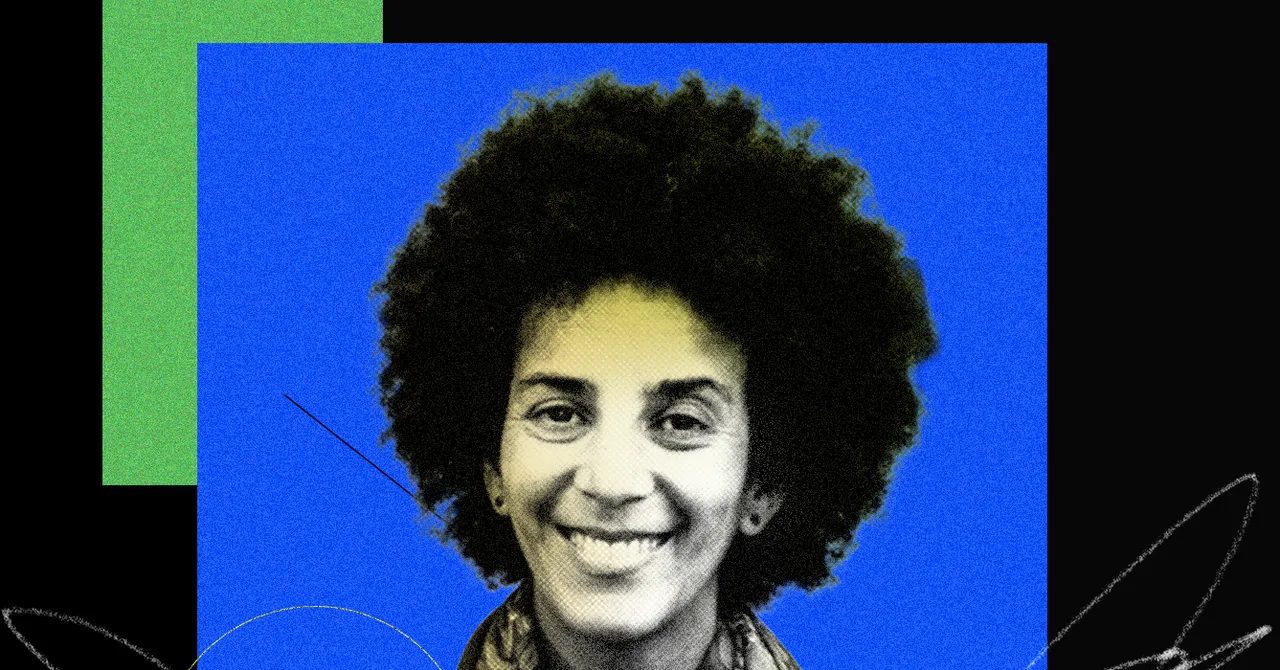
Timnit Gebru: AI's ‘Existential Threat’ Narrative Is Harmful, Not Just a Distraction
In a WIRED interview, AI researcher Timnit Gebru argues that the existential-risk narrative around artificial intelligence is not merely a distraction but a harmful one, seeded by the same investors who stand to profit from AI companies going public.
AI researcher Timnit Gebru says the debate over whether artificial intelligence poses an existential threat to humanity is not simply a distraction from the technology's real problems. In a WIRED interview for The Big Interview podcast, she told host Lauren Goode the narrative is harmful. “It's not just a distraction, but it's harmful,” she said. The interview followed a young Anthropic researcher stepping down, writing on X that many inside the company believe AI poses a major existential risk.
The same rhetoric on repeat
Gebru said Elon Musk and Peter Thiel have warned about AI as an existential risk since 2013, and the same language returns roughly every three years. She cited the Future of Life Institute, founded by MIT physicist Max Tegmark and Jaan Tallinn, the Skype cofounder who led Anthropic's Series A funding round.
The billionaires who stand to gain most from Anthropic's stock market listing also funded the institutions warning about “existential risk” and the groups presented as independent, she said. “So people should ask why,” she added.
Regulation and regulatory capture
Asked about Sam Altman of OpenAI and Anthropic's Dario Amodei raising the risk to humanity at the United Nations, Gebru called it regulatory capture. She recalled that Altman called for global cooperation in 2023, then threatened to pull out of the EU after it passed its AI Act. Chinese regulators, she said, talk about deepfakes rather than existential risk.
Gebru, not a legal scholar, backs former FTC chair Lina Khan's proposals: enforcing existing laws on deceptive marketing, documenting where training data comes from, and ending the exploitation of data workers.
Stochastic parrots, still relevant
Her 2021 paper “On the Dangers of Stochastic Parrots” compares large language models to parrots that repeat the most likely sequences of text without understanding them. Google approved it, parts later became disputed, and Gebru left the company.
The Anthropic cofounder Jack Clark recently called the framing a “memetically fit cognitive virus.” Gebru said she was not surprised, and rejected the claim that the research is outdated. “There is no reasoning. There is no recursive intelligence,” she said.
She also cited a 2025 paper from Samy Bengio's team showing that small changes to reasoning benchmarks make results collapse. She argued that companies should publish their data and methodology so findings can be reproduced.
What gives her hope
Her book Deep Unlearning: The Rise of AI and the Radicalization of a Tech Idealist is expected early next year. Her institute keeps an “AI Resist List” of people building alternative technology. “My belief in human agency, I think, is what gives me hope,” she said.
SiTech — AI-powered web development
We build fast, modern websites and bring AI into real business workflows. Have a project or a question? We'd love to help.