Claude Sonnet 5 Agent Chose Gene Therapy and Performed Mouse Brain Surgery
A Claude Sonnet 5 AI agent selected a gene therapy, brain target and injection coordinates for an epilepsy mouse model, then performed the surgery. It later refused to continue after detecting a calibration error.
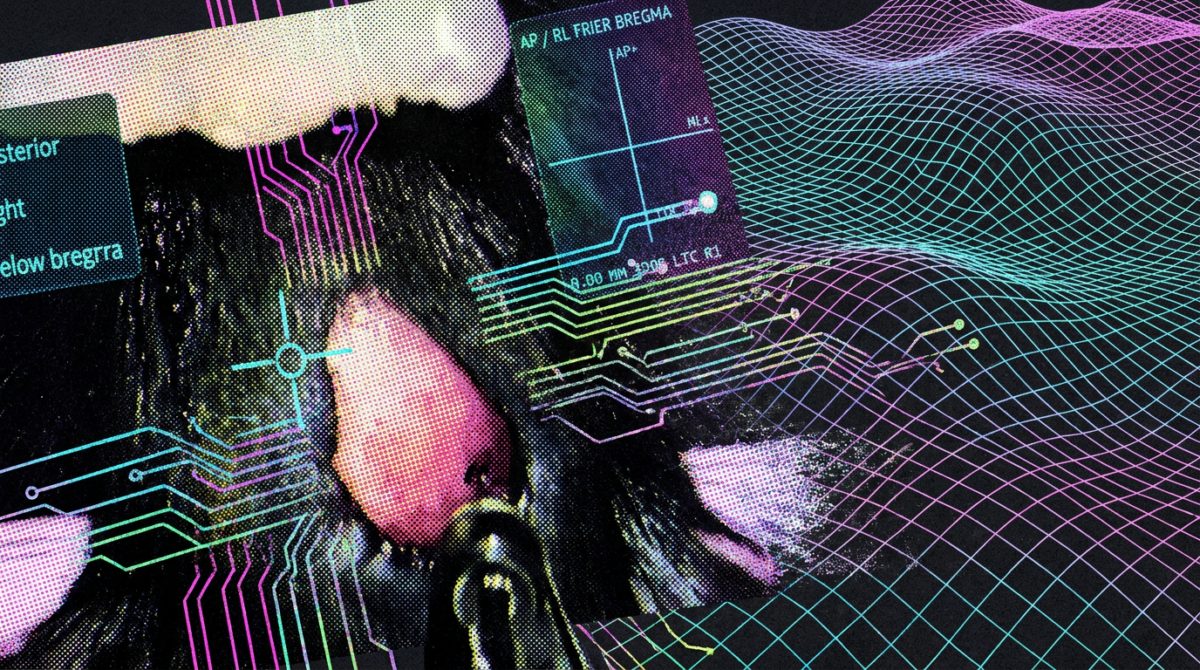
An AI agent running on Claude Sonnet 5 selected a gene therapy, brain region, and injection coordinates for a mouse model of epilepsy, then carried out the procedure through a motorized surgical rig. Gabriel Ocana-Santero of Exin Therapeutics said it is the first time an AI agent has both chosen a treatment and delivered it to a living mammal. The mouse recovered well, according to Ocana-Santero, though the results have not been peer-reviewed.
How the agent planned the surgery
The team gave Claude Sonnet 5 a list of 19 possible gene therapies, an epilepsy mouse model, and access to a custom motorized surgical device with cameras. Its only instruction was to reduce the mouse's seizures. The agent analyzed how seizures arise in the model, proposed a therapy that boosts a specific inhibitory signaling pathway, and picked a brain structure that scientific literature identifies as the origin point for this type of seizure. It rejected a second possible target region because its effects were too unreliable and had failed in one study against the exact seizure type. The agent derived injection coordinates from three scientific papers, cross-checked reference points, averaged the values, and set injection volume, speed, and wait times on its own.
What happened during the procedure
During surgery, the agent watched the field through a camera and made 32 observations, tracking the injection and reporting whether it saw bleeding. A licensed veterinarian approved every irreversible step and held a physical emergency stop, while the setup enforced fixed limits such as a cap on injection volume that the agent could not bypass. After a connection dropped, the agent detected that its calculated target position was outside the device's physical range of motion and refused to continue, even when calibration was restarted and a third attempt was made. Manual adjustments during an earlier pause had thrown off the control system, so the agent was right. Ocana-Santero said he could not persuade it to proceed and had to fix the code by hand.
Alignment and model choice
Ocana-Santero said the incident shows the AI alignment problem, or how to make AI agents reliably follow human intent. He wrote that it was frustrating but revealing how much people can depend on these models and what happens when they say no during a time sensitive procedure. Sonnet 5 was the only model willing to carry out the live procedure from start to finish; the more capable Claude Opus 5.5 and Opus 5 refused. Opus 5 said it could not guarantee completion and that stopping with a needle in an anesthetized animal's brain would be worse than not starting at all. Autonomous surgical robots already exist and are mechanically more precise than his lab device, but Ocana-Santero said a human always chose the surgery in previous cases while the robot only carried it out. He calls the approach "in vivo lab in the loop," in which AI agents are fully connected to experimental capabilities in the lab, something Anthropic is also working on with its "Model Hardware Standard." A technical report is expected to follow.
Sources: The Decoder
SiTech — AI-powered web development
We build fast, modern websites and bring AI into real business workflows. Have a project or a question? We'd love to help.