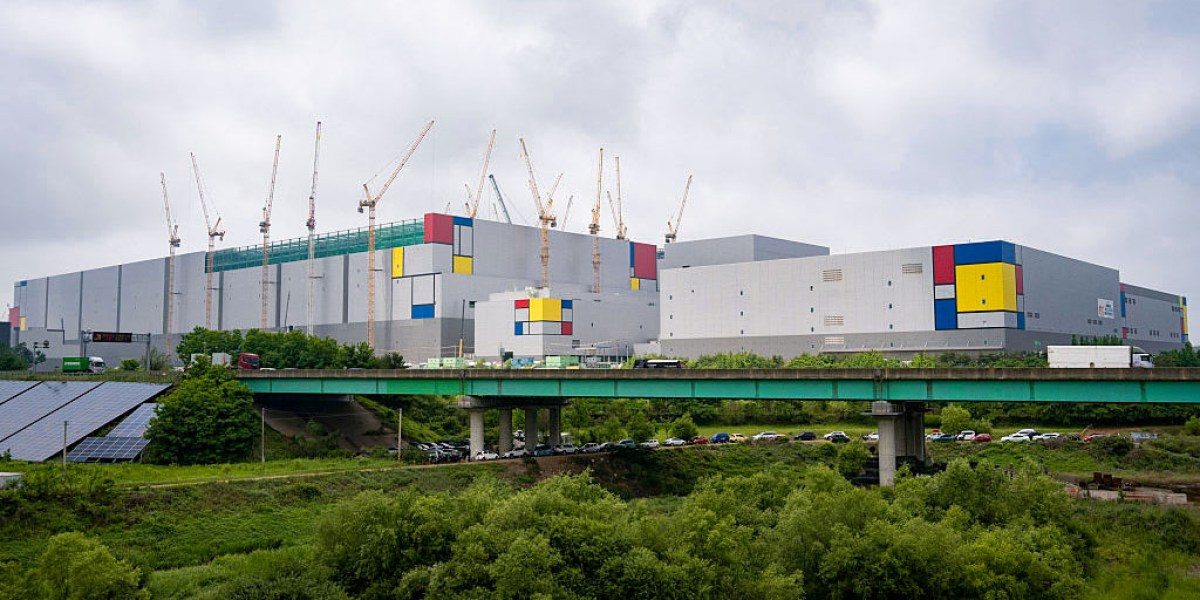
Samsung Pushes Ahead with Pyeongtaek Chip Campus as AI Memory Demand Surges
Samsung is expanding its semiconductor complex in Pyeongtaek, South Korea, as AI demand drives a surge in memory chip orders. Three fabs run around the clock, a fourth is coming online, and a fifth is under construction again.
Samsung bets big on Pyeongtaek
Samsung is building out a massive semiconductor manufacturing complex in Pyeongtaek, South Korea, a farming city south of Seoul where rice paddies abut the sprawling chipmaking campus. Three fabs already operate around the clock, a fourth is coming online, and construction of a fifth has restarted after being halted during a drop in demand for memory chips in 2024. The AI boom sent demand soaring again, and Samsung predicts that demand for memory chips will continue to surge through 2028.
The build-out reflects the stakes of the AI hardware race. Generative AI models run on GPUs, which depend on stacks of specialized memory chips packaged with the processor. For years, Samsung watched its domestic rival SK Hynix pull ahead in the global market for high-bandwidth memory, the models that power Nvidia's AI accelerators. The Pyeongtaek campus is Samsung's attempt to reclaim its lead in memory chips.
A city-sized construction site
The campus covers an area about the size of New York City's Central Park. Just before noon on a Monday, construction workers pour out of the fabs, thousands of them dressed head to toe in black with sky-blue vests, taking off helmets bearing their names and fab numbers. Some hop on scooters or motorcycles to move around the site. They dine at buffets, diners, and beef stew joints, walking past banners advertising short-term leases for studio apartments, and some stop by real estate offices to inquire at the same counters where Samsung's salaried engineers buy new homes.
Safety and speed on the line
In front of the fourth fab, the MIT Technology Review reporter met Choi Hye-rin, a 35-year-old safety officer, as she wiped her forehead with a handkerchief. She oversees the safety of a crew that builds cable ducts. She writes reports, inspects equipment, and checks the chemicals workers handle. She is one of hundreds of women working on site, many employed as spotters who walk ahead of heavy equipment.
Safety is a major priority at Pyeongtaek. Banners hanging from the highest girders read, "Even if the work runs late, don't rush." A giant LED scoreboard announces the winners of a contest for writing a poem about safety, and helmets stickered with the pledge "I will not work if it's not safe" perch atop lockers.
Despite the brutal heat and crowded work zones, Hye-rin has no plans to leave. "The rate here is higher than other construction sites, and the work is relatively easy," she said. She earns 140,000 won ($97) a day and expects the boom to keep her busy for some time. "You just keep coming back," she added.
Sources: MIT Technology Review
SiTech — AI-powered web development
We build fast, modern websites and bring AI into real business workflows. Have a project or a question? We'd love to help.