Abandoning Scientific Linux Was a Mistake: What CERN's Debian Shift Shows
An essay on blog.melashri.net argues that retiring Scientific Linux removed something a spreadsheet could not show: a credible, institutionally controlled alternative to the commercial Enterprise Linux ecosystem.
In a blog post published this month on blog.melashri.net, the author revisits a decision he says deserves closer scrutiny: the retirement of Scientific Linux, the Red Hat Enterprise Linux rebuild once maintained by Fermilab and CERN for high-energy physics. The essay argues it was institutional infrastructure, not duplicated engineering work.
From CERN's accelerator complex to a Debian migration
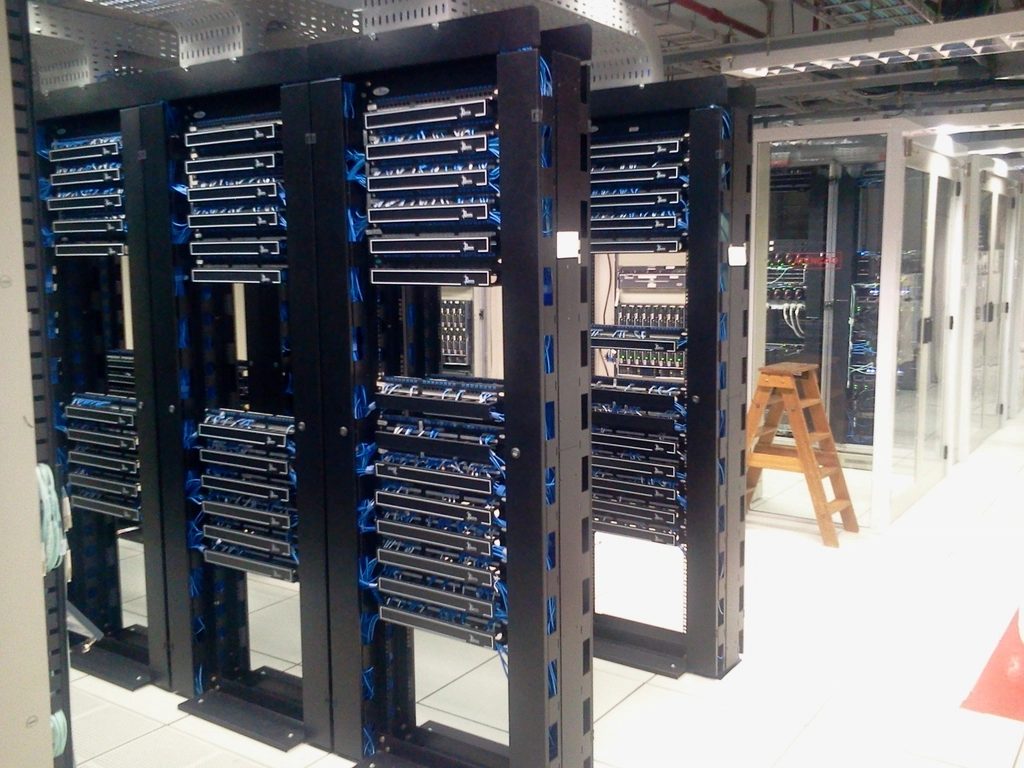
The post starts from a presentation at MiniDebConf Winterthur 2026. According to the speakers, by the end of 2026 more than 2,200 industrial computers and embedded systems around CERN's accelerator complex are expected to run Debian 13. The author stresses that CERN is not leaving the Red Hat ecosystem: AlmaLinux and RHEL remain the main supported distributions across much of the organization, and Debian support is currently limited to accelerator front-end systems.
The blocker was hardware: RHEL 9 and RHEL 10 raised the x86-64 baseline, while accelerator controls depend on legacy electronics that can stay in service for decades. A 2023 risk analysis put the cost of staying at about 5.4 million Swiss francs.
Scientific Linux and the CentOS bet
Scientific Linux was announced by Fermilab in 2003, with CERN joining soon afterwards. It gave laboratories, universities and experiments a freely redistributable, long-lived Enterprise Linux platform they could rebuild themselves; the author notes it spread far beyond the two founding laboratories, reaching companies and even systems aboard the International Space Station.
When Red Hat and CentOS joined forces in 2014, moving to CentOS looked entirely reasonable. CERN began moving its next major release to CERN CentOS 7, and in 2019 Fermilab announced there would be no Scientific Linux 8. The author does not call that irrational at the time; he argues it removed a credible exit — the people, processes and institutional knowledge needed to maintain an independent RHEL-compatible platform.
When the assumptions changed
In December 2020, Red Hat refocused CentOS on CentOS Stream, which sits ahead of RHEL rather than behind it, discontinuing the traditional downstream rebuild. CERN found the shorter lifecycle incompatible with some scientific use cases, and by 2022 CERN and Fermilab were recommending AlmaLinux as the standard distribution for experiments.
Option value, not nostalgia
The author is explicit that the answer today is not to resurrect Scientific Linux: AlmaLinux and Rocky Linux exist, and Debian is proving useful at CERN. The lesson concerns how research institutions price infrastructure: maintenance costs are easy to count, the cost of losing the ability to maintain something yourself is not. CERN now sponsors Freexian to strengthen Debian's long-term support — close to what Scientific Linux once provided. The post ends with the accelerator team's summary: "Distribution portability is a very good thing."
SiTech — AI-powered web development
We build fast, modern websites and bring AI into real business workflows. Have a project or a question? We'd love to help.