Astra and Opus crack two Enigma messages that resisted decades
Two cryptanalysts say models from OpenAI and Anthropic have cracked two Enigma messages that resisted every previous attempt. One of them had been unreadable since 2005.
Alan Turing is best remembered for the test that bears his name, but the more consequential problem he faced in his lifetime was breaking the Enigma cipher used by Nazi Germany in World War II. Now a pair of cryptanalysts say large language models from OpenAI and Anthropic have cracked two Enigma messages that had resisted every attempt so far.
Both messages had sat unread in archives for decades. The story was reported by TechCrunch on September 25.
Why a few messages were never broken
Enigma machines encrypted German military communications, and Turing's team at Bletchley Park built an early electromechanical computer called the Bombe that let Britain read much of that traffic.
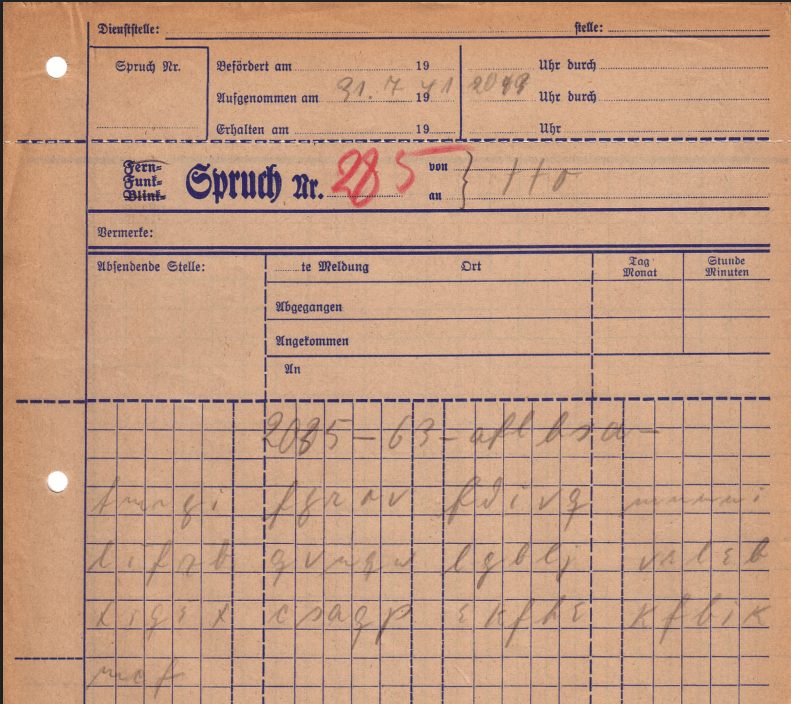
A handful of archived messages nevertheless stayed unbroken, usually because of mistakes made at the time: a mistranscribed ciphertext or a typing error by the original operator. Such flaws remove the internal regularities that classical attacks depend on.
Leffen turns Astra loose on the archive
Developer Carter Leffen took a different route. He simply asked OpenAI's newest model, Astra, to search a database of Enigma messages for an unbroken one and decrypt it. According to the account, the model performed its own archival research, gathered contextual clues, built a simulator of the Enigma machine, and recovered the plaintext of a message that had baffled researchers since 2005. Leffen also used Astra to build an interactive website explaining the problem.
Frode Weirerud, a retired electrical engineer with a lifelong interest in cryptology who runs the Crypto Cellar website and its message database, validated the solution last week. He said the result left him in “awe”.
Weirerud also flagged a detail in the model's logs: Astra discussed archived messages held in a “private collection” that he does not host. He is still unsure whether the model accessed them, and speculates they were shared by another researcher online or that the model reached Germany's public archives.
“GPT-6 Astra is behaving like a very professional cryptanalyst and archive researcher,” he wrote. “What it has achieved in two days would take a human researcher weeks or even months. Personally, I spent several weeks researching the Bundesarchiv files GPT-6 Astra refers to.”
A second break, and seven messages left
On September 21, another cryptanalyst, Jack Willis, contacted Weirerud to say he had used Anthropic's Claude Opus 5 to break a different unsolved message. Willis gave the model significantly more guidance, and it ultimately cracked the text using the known signature of a particular officer's name.
Weirerud notes that just seven unbroken Enigma messages remain, plus one whose plaintext is known but whose code is still unbroken. In his view, they are unlikely to hold out much longer.
SiTech — AI-powered web development
We build fast, modern websites and bring AI into real business workflows. Have a project or a question? We'd love to help.