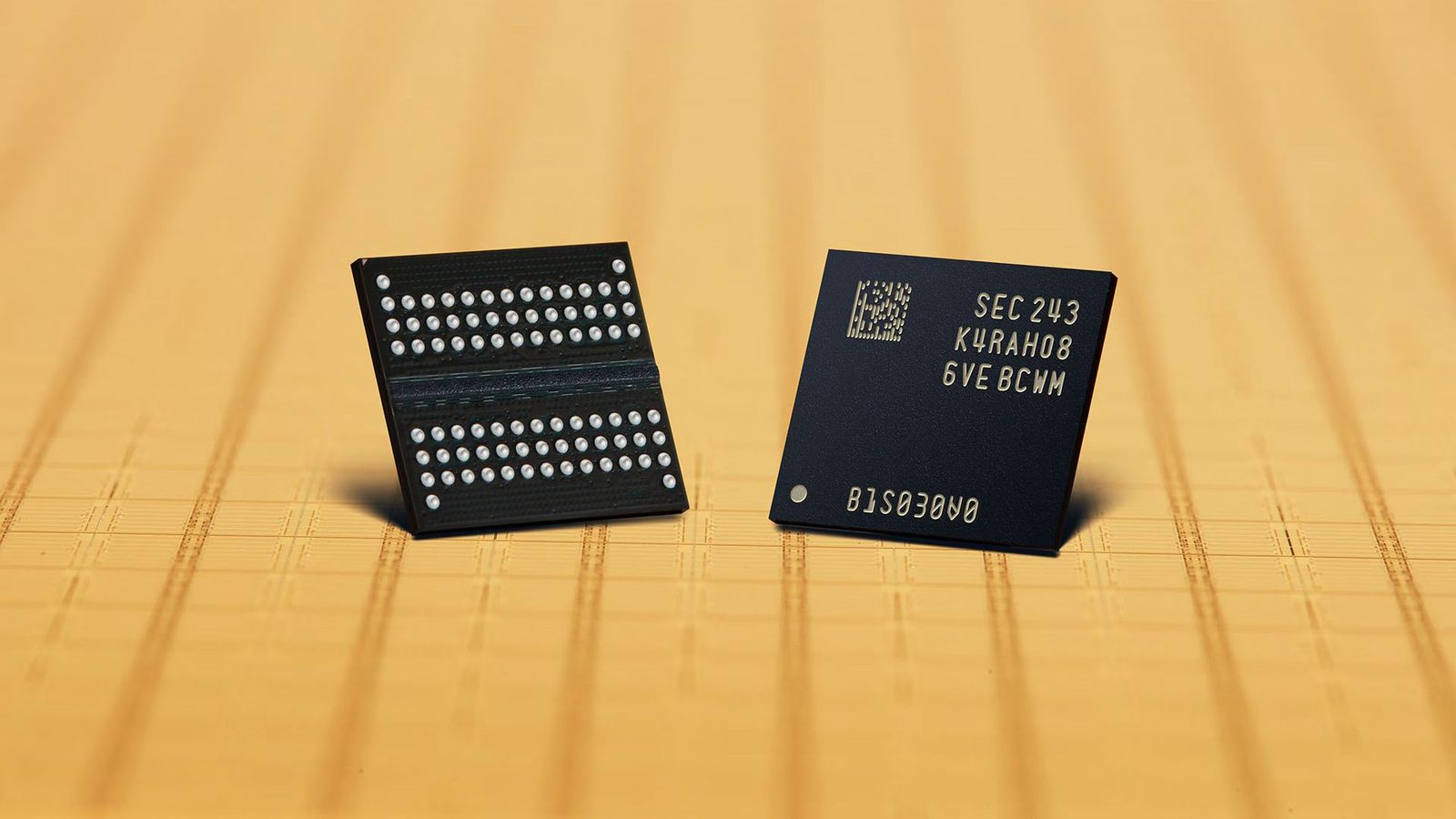
Electronics makers set up memory 'procurement war rooms' amid severe DRAM shortage
Electronics manufacturers are creating memory procurement war rooms, scouring eBay and brokers for DRAM as a severe shortage lifts costs and pushes some firms to raise prices or cut specs.
Electronics manufacturers are setting up memory procurement war rooms to find and lock in DRAM supplies amid what the report describes as the worst memory shortage in history. Employees are scouring eBay, contacting hundreds of brokers, and buying even small batches of five to 12 units. The shortage has pushed up costs, leading some companies to raise prices and others to cut product specifications while applying smaller price increases.
Apacer and major buyers
The Wall Street Journal reports that Taiwanese memory module and storage maker Apacer took out loans to have cash available if memory chip supplies appear. Apacer President Gibson Chen said, "If chips show up, we take it," and called the situation crazy but said there was no other way. Elon Musk was reportedly having trouble finding memory chips; a portfolio manager claimed Musk offered Samsung a long-term agreement and a financial guarantee for new Samsung chip factories, but Samsung executive chairman Lee Jae-yong allegedly said everyone else was offering those things already. OpenAI CEO Sam Altman recently went to South Korea to meet Samsung leadership to secure more RAM for data centers.
Small firms and gray market
While PC builders and enthusiasts were hardest hit by a 500 percent climb in memory prices, many other electronics manufacturers are now feeling the squeeze. Large companies such as Amazon, Apple, and Microsoft can use their scale and resources to pay more and secure massive memory supplies under long-term agreements. Smaller firms usually rely on brokers and available inventory, with some reportedly contacting hundreds of brokers and snapping up batches of five or 12 units. Others turn to the gray market, where unscrupulous sellers may mix used memory chips with new orders to inflate deliveries.
AI demand and supply outlook
The scramble for AI compute caused the massive memory chip shortage, especially as Micron, Samsung, and SK hynix focused production on more lucrative HBM. Both memory chip manufacturers and RAM kit makers warn of continued shortages. SK hynix says 2027 will be the worst year for memory shortages, while TeamGroup's CEO said it could reach a point where even money cannot buy goods. Although the big three are building new factories, they are not expected to begin producing memory chips until 2028.
Barriers and legal claims
Entering the memory chip market is difficult because of enormous factory and supply chain costs, patent licensing, technology development, and manufacturing expertise at scale. CXMT is the only new player to have successfully produced mainstream consumer DDR5 RAM, but it faces multiple allegations that it stole technology from Samsung. Its DDR5 chips do not match competitors' performance and track market prices, so they are not the affordable alternative many enthusiasts imagined. The memory chip market is known for a boom-and-bust cycle, and manufacturers were initially reluctant to increase capacity. The three companies are also facing a price-fixing lawsuit alleging they coordinated a shift to HBM to cut DDR3 and DDR4 production; the judge said it is plausible they colluded as the market experienced the price surge.
Sources: Tom's Hardware
SiTech — AI-powered web development
We build fast, modern websites and bring AI into real business workflows. Have a project or a question? We'd love to help.