Garry Tan Wants US Open-Weight Labs to Distill Frontier Models, Too
Y Combinator's CEO says regulators should do nothing about distillation, and that American open-weight labs should be free to learn from US frontier models rather than leaving the field to Chinese ones.
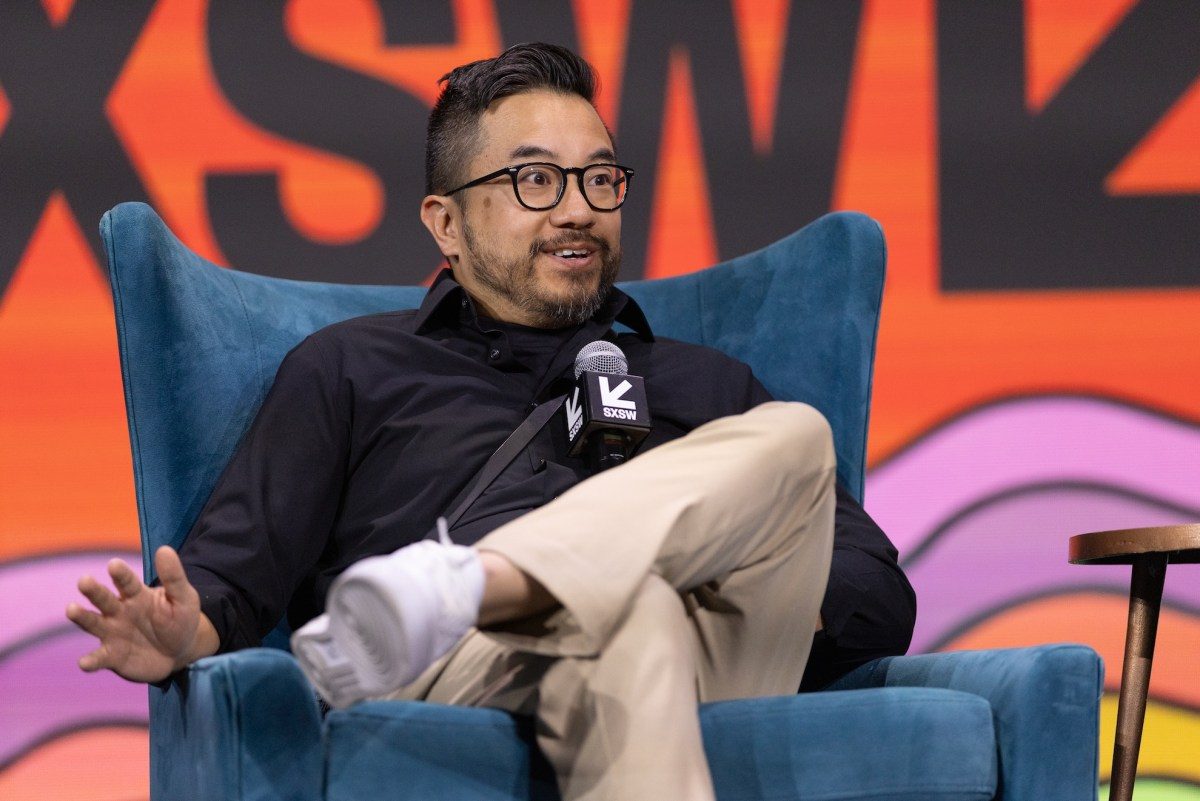
Y Combinator CEO Garry Tan would rather regulators stayed out of distillation — the practice of training a model by extensively prompting another one to learn how it works and reasons. “I would do nothing,” he told CNBC in an interview this week. “We could argue that there should be an American distillation regime.”
Speaking to TechCrunch, Tan said that means he wants smaller American open-weight labs to be free to use the same training techniques on US frontier models, so that the United States has a robust set of open-weight options that are not Chinese.
Anthropic's complaint
The remarks land in the middle of a public argument. This week Anthropic released its second threat intelligence report alleging that Chinese labs carry out “illicit distillation attacks”, hiding their identities in order to distill without permission and relying on fraud and stolen credentials. Anthropic CEO Dario Amodei had previously publicly called on US regulators to crack down on distillation.
Tan's position is notable because he leads Silicon Valley's most prominent startup accelerator, and it puts him at odds with that push. He is not arguing that American labs should steal credentials: his point is that they should be free to come in the front door.
Two arguments
His case is twofold. First, he argues it is an overreach for AI labs to dictate what their customers may do with the information their models share. Second, he notes that the proprietary labs did not ask permission when they vacuumed up as much human knowledge as they could to train their own models, ingesting copyrighted material without the consent of its holders.
“Controlling what users and customers do with API calls to closed weight models feels constraining,” he told TechCrunch, adding that government has a role in normalizing the idea that access to intelligence trained on broadly public data “should itself also be more a form of a public good than something locked away behind restrictive terms of service”.
The nightmare is one company
Tan, an avid AI user himself, says he wants a balance between open-weight and frontier labs. “They are at the frontier and driving it forward. We want that to be fundable, and be a great business model ongoing,” he told CNBC, while open-weight models “give people freedom and access”.
For him the real doomer scenario is different: all the power of frontier AI ending up with a single proprietary provider. “The nightmare scenario, the doomer scenario for AI is that there's just one company,” he said. “It has the best access to capital. It has the best AI researchers. It runs away with it and suddenly there's one company that's monolithic. And that would be bad.”
SiTech — AI-powered web development
We build fast, modern websites and bring AI into real business workflows. Have a project or a question? We'd love to help.