Italy's Senate Gives Final Approval to a Return to Nuclear Power
Italy's Senate gave final approval to legislation that opens the way for a return to nuclear power, nearly four decades after the Chernobyl disaster prompted the country to abandon atomic energy. The measure cleared the upper house 81-51.
Italy's Senate on Wednesday gave final approval to legislation that opens the way for a return to nuclear power, nearly four decades after the Chernobyl disaster prompted the country to abandon atomic energy.
What the vote decided
The measure cleared the upper house 81-51, with seven abstentions, after earlier passing the lower Chamber of Deputies. It establishes a legal framework for next-generation nuclear technologies and authorizes the government to draft implementing decrees over the next 12 months covering reactor licensing, safety standards, waste management and criteria for future sites. It does not authorize the construction of any reactors.
Why Italy is reconsidering nuclear power
Meloni's government argues that rising electricity demand, climate targets and the energy security concerns exposed by Russia's invasion of Ukraine justify bringing nuclear energy back into the power mix. Rather than reviving the large reactors of the past, it is focusing on small modular reactors, or SMRs, and other advanced technologies that supporters say could be safer and more flexible.
Italy was once among Europe's nuclear pioneers, operating four reactors before a 1987 referendum effectively ended the program; since then it has relied heavily on imported energy. The vote puts Italy on a path toward reintroducing nuclear power after voters rejected it twice, first after Chernobyl and again following Japan's Fukushima accident in 2011.
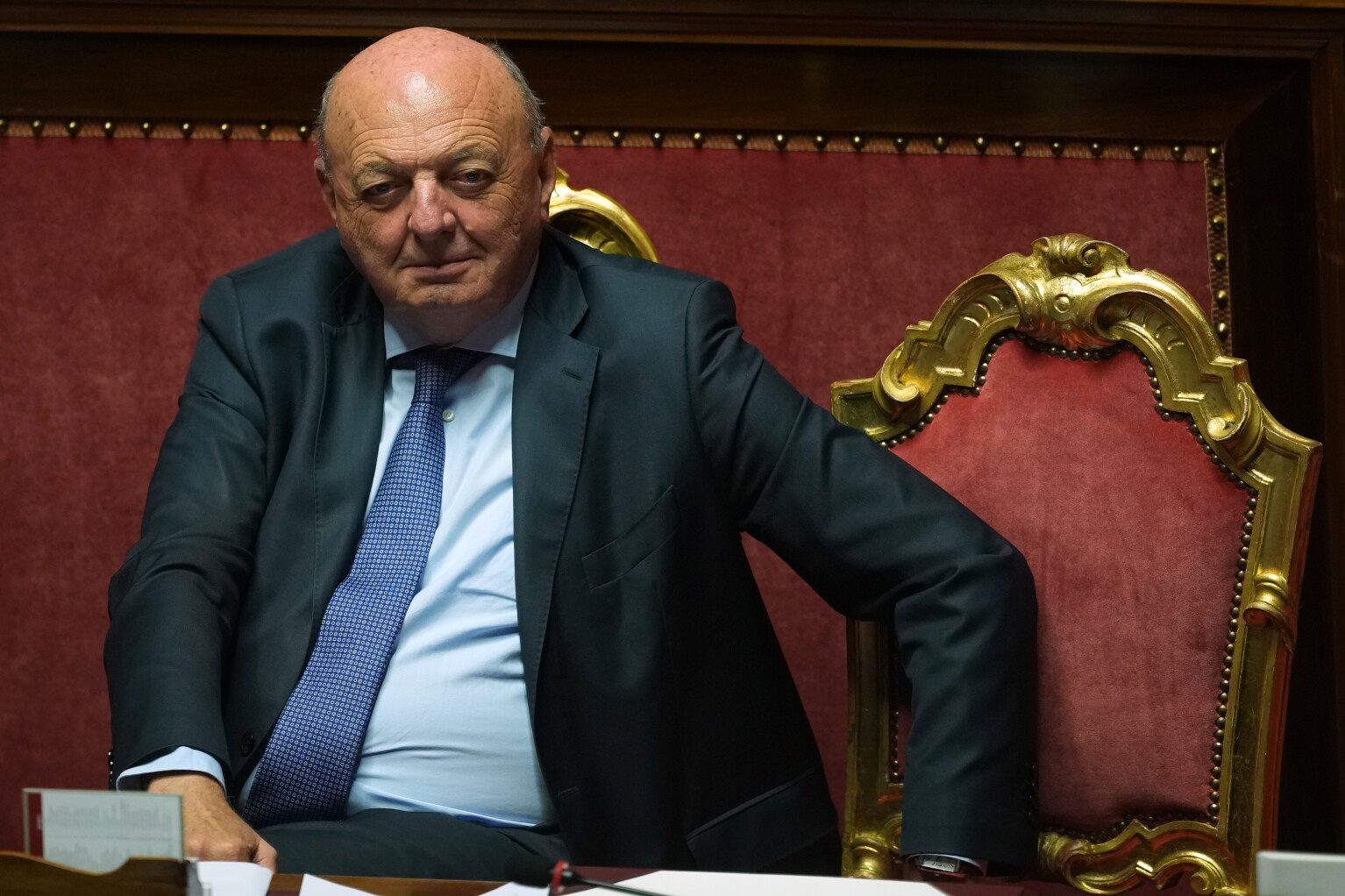
Public attitudes appear to have shifted: a June 2026 survey by research firm Only Numbers found that about 55% of Italians support next-generation nuclear plants. Gilberto Pichetto Fratin, minister for the environment and energy security, called the vote a historic step. "Nuclear isn't a return to the past," he said. "When integrated with renewables, it's a winning technology, which can give extraordinary results for our energy security."
Obstacles and open questions
Significant obstacles remain. Italy still lacks a permanent national repository for radioactive waste, which is stored at temporary facilities, and future reactor and storage sites are expected to face opposition from local communities. Environmental groups and opposition parties have signalled resistance to the government's plans.
Analysts question the economics, citing high construction costs and the lack of commercially proven SMR projects operating at scale in Europe. Industry estimates put a single 300-megawatt SMR at 3 billion to 6 billion euros ($3.5 billion to $7 billion), excluding infrastructure and grid costs. Michele Governatori, a senior energy adviser at the climate and energy think tank ECCO, said the framework would expose the limited appetite of private investors for technologies "that are either not competitive today or not yet ready, such as SMRs".
SiTech — AI-powered web development
We build fast, modern websites and bring AI into real business workflows. Have a project or a question? We'd love to help.