UK military jamming other nations' satellites to defend itself, BBC told
The RAF has spent a year using ground-based systems to jam or block satellites belonging to other countries, the BBC reports, as the UK stands up a new Space Effects Squadron to protect its own spacecraft.
The British military has been jamming or blocking other countries' satellites to defend itself from hostile threats, the BBC has been told. The RAF has used a ground-based system for the past year, and a defence source said it had already been deployed "to deter our adversaries".
The capability could stop a hostile nation's satellites from tracking the UK's nuclear-armed submarines or other sensitive operations, including those by special forces. The source called Britain's terrestrial electronic warfare capability "world leading, and more".
A new squadron for the space domain
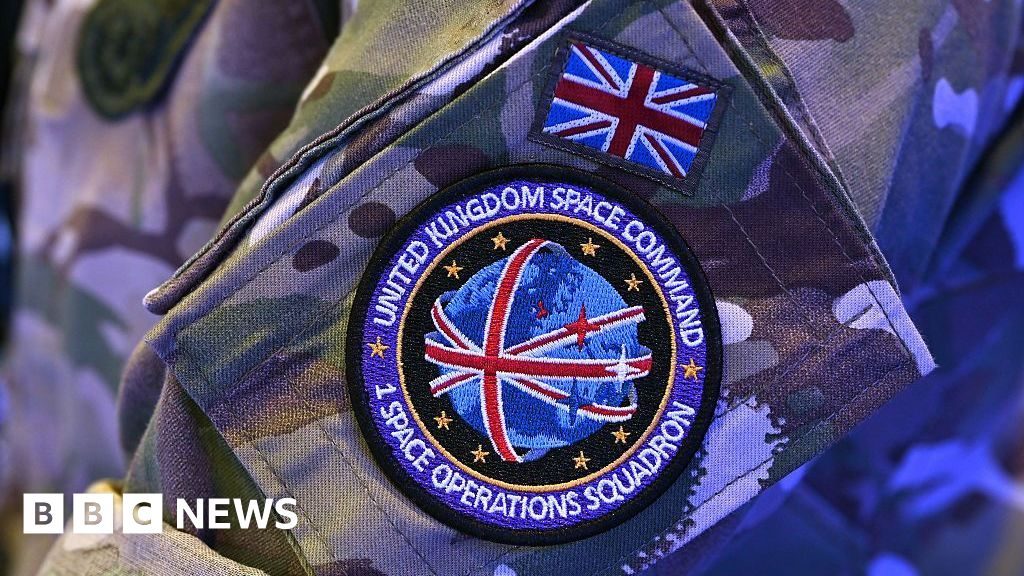
The disclosure comes as the UK creates a new RAF unit to defend its satellites. The Ministry of Defence said the Space Effects Squadron will focus on "disrupting, degrading and denying hostile threats in space", while the head of the RAF warned of "unprecedented threats" from adversaries in space.
Streeting: losing GPS would cost £1.4bn a day
Speaking at the UK Space Conference on Wednesday, Defence Secretary Wes Streeting said daily life depends on satellites behind mobile phones and banking apps, and that losing GPS would cost the UK economy £1.4bn a day. "Our dependency on space is precisely why it is increasingly under threat from our adversaries," he said.
Streeting said satellites underpin weather forecasts, energy supplies, financial transactions, sat-navs, phone connections and Amazon deliveries, and that their loss would "undermine our daily freedoms, and trust in our institutions". The threat is growing in "scale, speed and sophistication", he added, and "challenges in space increasingly mirror the geopolitics on Earth".
Russian and Chinese activity in orbit
Several nations are believed to operate similar ground-based systems. Last year the then head of UK Space Command said Russia tried to jam British satellites "every week". In May the RAF tracked "dangerous manoeuvres" by five Russian satellites near two Finnish commercial spacecraft, and in June Air Chief Marshal Sir Harvey Smyth said a Russian constellation had disrupted GPS signals across Europe and Canada.
The UK keeps a handful of military satellites in orbit and works closely with the US Space Force. Last week Washington confirmed it had deployed an unspecified "weapon" in space to defend its own satellites; China and Russia condemned the move and warned of an arms race, while the US accuses both of building jammers, lasers and orbital projectiles.
ACM Smyth said the UK sees "more and more irresponsible and provocative actions" from adversaries. Without satellites, he warned, "sat-nav systems would fail, congestion on our roads would be severe and our emergency services would take longer to help those in need", leaving every sector "less efficient, less prosperous and less secure".
SiTech — AI-powered web development
We build fast, modern websites and bring AI into real business workflows. Have a project or a question? We'd love to help.