Michael I. Jordan Calls AI Doom Rhetoric a 'Grand Moralizing Performance'
Machine learning pioneer Michael I. Jordan dismisses existential AI threat warnings as science fiction, calling doomers, company founders, and demands for regulation theater in a wide ranging interview with Libération.
A Pioneer Pushes Back on AI Alarmism
Michael I. Jordan, described by Science in 2016 as "the most influential computer scientist," calls warnings about existential AI threats pure science fiction. The 70 year old machine learning pioneer, professor emeritus at UC Berkeley, spoke in a wide ranging interview with Libération. He now works full time at Inria, the French National Institute for Research in Digital Science and Technology in Paris, where he heads a new "markets and learning" chair.
Asked about the summer's AI discourse, Jordan called it "totally frustrating." He warned about the reckless overuse of the term AI back in 2019 and says the escalating language followed a predictable path. "AI wasn't enough, so they started talking about AGI, and now it's 'superintelligence'," he says.
Resignations Dismissed as Theater
Jordan dismisses AI companies' demands for regulation as "theater," a way of saying "Look, we're the good guys" while they "would like to have total control over how they are regulated." He points to the resignation of young Anthropic researcher Jacob Coxon, which he says sparked a wave of collective hysteria over an "AIpocalypse" scenario in early September.
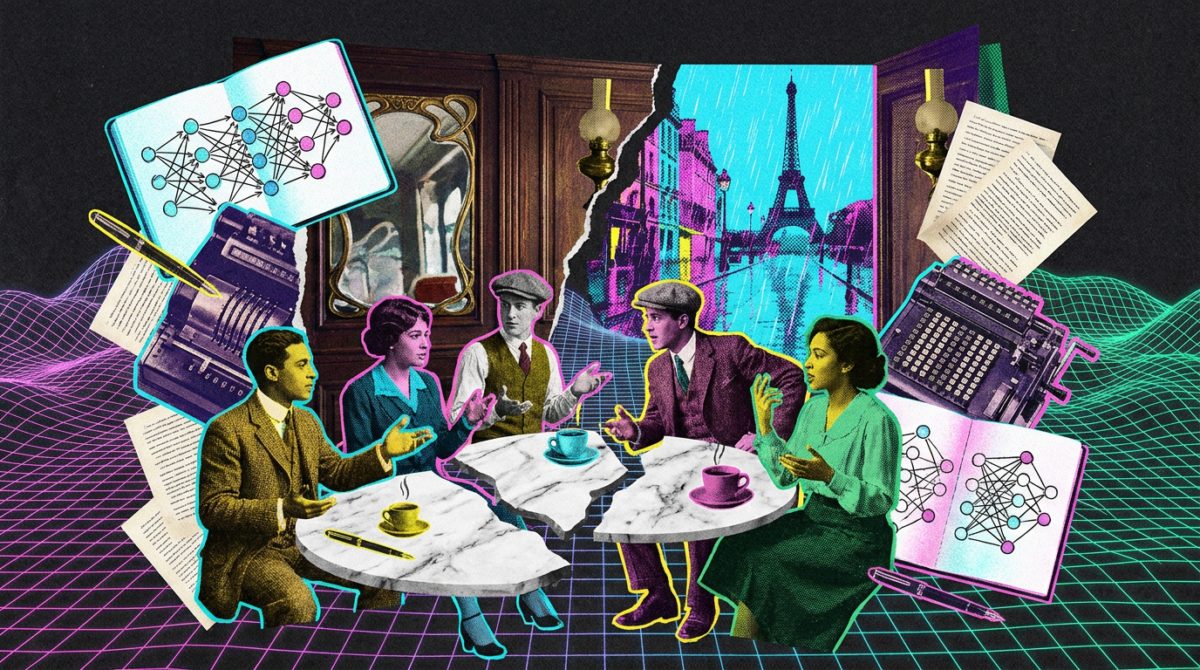
Jordan says many young employees at these companies "aren't really engineers," coming instead from humanities or philosophy. "They're 25 years old, they're naive," he says, gathering "a bit like in Parisian cafés in the 1920s" to discuss grand science fiction ideas. When they resign, he argues, they know they will attract attention and "already have their stock options." He calls the pattern "a grand moralizing performance" marked by naiveté and a certain cynicism.
Superintelligence and the Tech Elite
Jordan calls "superintelligence" a science fiction term and says making it the dominant discourse is "very, very harmful" for technological development, young people, and the mindset of countries alike. He notes the term is being pushed on the US tech elite by President Trump, who are happy to play along.
He is especially harsh on Nobel laureate Geoffrey Hinton, who "has never created a company that offers real services for real people." Jordan rejects Hinton's argument that the brain has been figured out and could be copied to silicon for exponential growth, saying none of the steps in that argument are credible. He is slightly more generous toward Yoshua Bengio, who "takes action and does things that directly focus on safety," including warnings about agent swarms spiraling out of control.
Engineering Failures and the Data Center Bet
Jordan frames the hack of Hugging Face by OpenAI agents as bad engineering, comparing it to chemical engineering, where explosions would never be allowed to happen just to see how badly things could go wrong. He says OpenAI was "conducting rather stupid experiments," while doomers turned the episode into a scary story of self aware agents, which he again calls science fiction.
On the trillion dollar wave of data center investment, Jordan says it is "just an enormous bet, but we have absolutely no idea whether it will pay off." He argues LLMs are already capable enough for natural language tasks, and that further progress often means adding specialized local knowledge, which does not require a gigantic data center, particularly with open weight models integrated into a company.
Sources: The Decoder
SiTech — AI-powered web development
We build fast, modern websites and bring AI into real business workflows. Have a project or a question? We'd love to help.