OpenAI's new ChatGPT features take aim at the app store model
At Dev Day, OpenAI showed how ChatGPT will suggest, launch and run third-party apps inside the chat, backed by an identity layer, an enterprise marketplace and agents reaching over 4,000 apps. A billing layer is still missing.
OpenAI used its Tuesday Dev Day announcements to set out something larger than the products it shipped. Together, the agentic assistants called Dots, the new models and the expansion of apps inside the chat turn ChatGPT into the place where software is discovered, launched and used, by people and by agents alike. That is the job Apple's App Store and Google Play have done for nearly two decades.
Discovery moves inside the chat
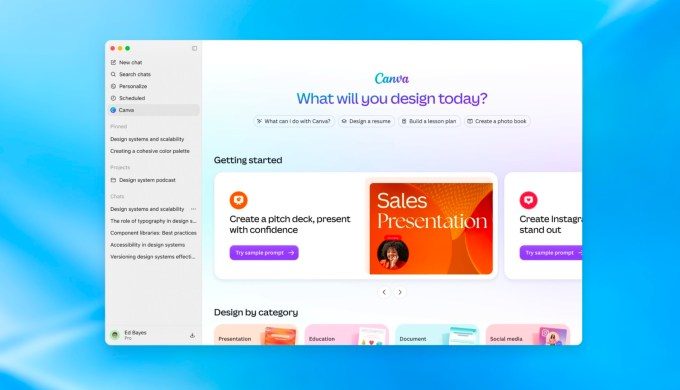
ChatGPT, which OpenAI says has 1.2 billion weekly users, will start suggesting apps inside the flow of a conversation when one could help finish a task; the user connects it and keeps working without leaving the chat. The expanded plugin architecture supports interactive panels, so developers can offer AI-native tools that people once opened in a browser or a separate app.
Identity and an enterprise marketplace
The user incentive is "Sign in with ChatGPT", which carries an existing AI allowance into third-party apps. OpenAI named 16 launch partners, among them Cognition's Devin, Notion, Vercel and OpenClaw, and says more will follow. In a demo, its own meetings app showed upcoming calendar entries and then offered AI notes and a summary of follow-up items. The lightweight sites ChatGPT generates can be shared with colleagues, who sign in with their own credentials.
A second surface targets businesses: a marketplace launched with more than 30 partners, including Adobe, Figma, HubSpot, Salesforce and CrowdStrike. OpenAI also reworked plugin submission with review tracking, an option to request a human review, and tool updates that no longer restart the whole submission, its counterpart to Apple's App Review.
Agents that choose the app
Dots shift the balance further. Each has its own cloud computer and browser and connects to an ecosystem OpenAI puts at more than 4,000 apps. Instead of downloading several programs, a user describes the outcome and the agent does the work, sometimes bringing the tool to the user rather than the other way around. Dots can also act on their own initiative, researching in the background through connected apps in read-only mode, with any action still needing the user's approval.
The missing piece
For developers this is a route to customers outside Apple and Google: a service can be sold on the vendor's own site, then connected to ChatGPT or Codex for an agent to use. OpenAI has not claimed the features remove the need for separate third-party subscriptions, and on Tuesday it announced no billing or revenue-sharing system comparable to the economic layer of traditional app stores. It built the discovery, distribution, interface and identity pieces, and left the money question open.
SiTech — AI-powered web development
We build fast, modern websites and bring AI into real business workflows. Have a project or a question? We'd love to help.