Overreliance on AI Contributed to Missile Strike on Iran School, Pentagon Probe Finds
A Pentagon investigation has found that flawed intelligence, outdated satellite imagery and an overreliance on artificial intelligence contributed to a Feb. 28 strike that killed at least 123 children at a school in Minab, Iran.
An internal Pentagon investigation has found that flawed intelligence, outdated satellite imagery and an overreliance on artificial intelligence contributed to the Feb. 28 missile strike that destroyed a school in southern Iran, killing more than 150 people, including at least 123 children.
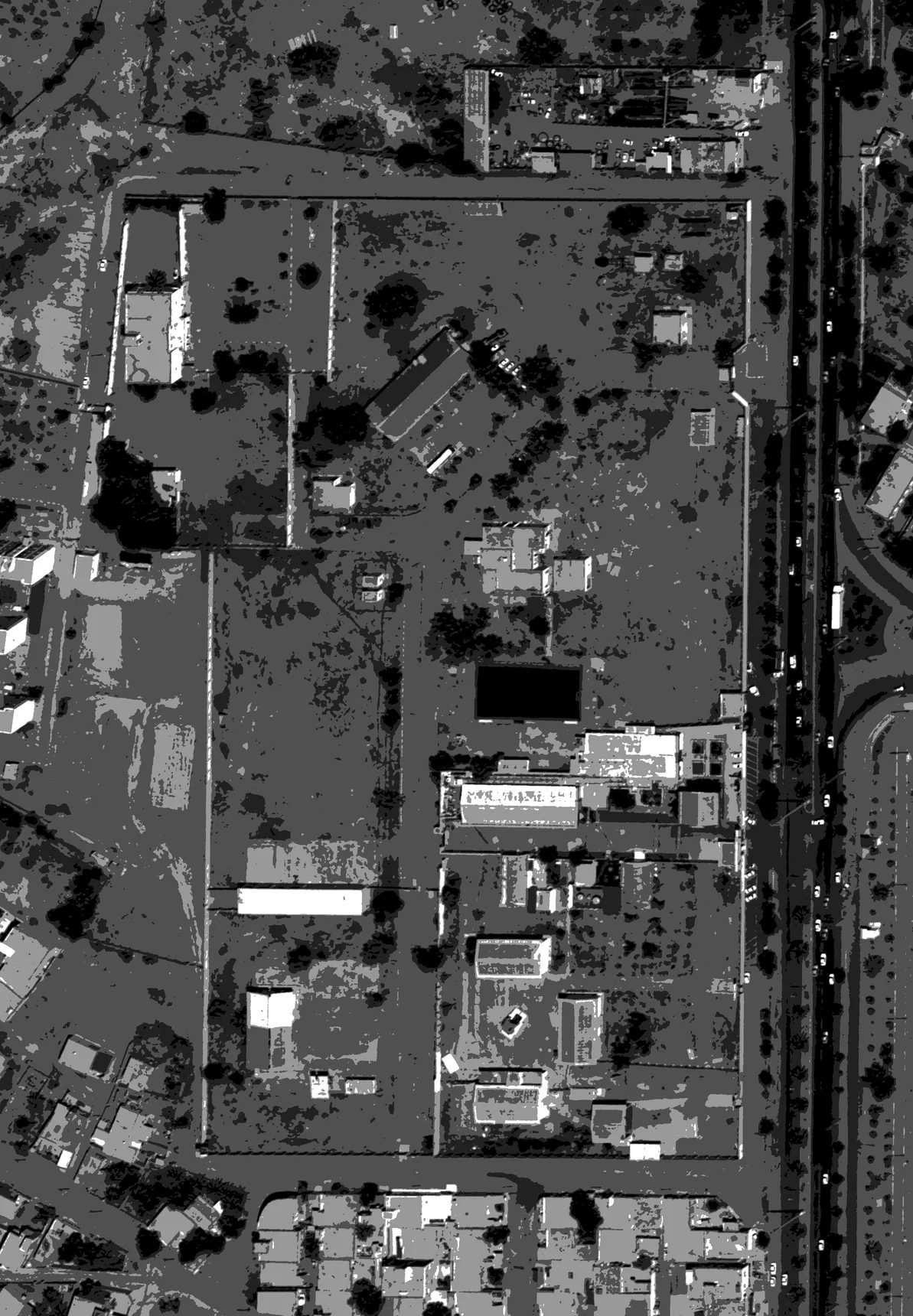
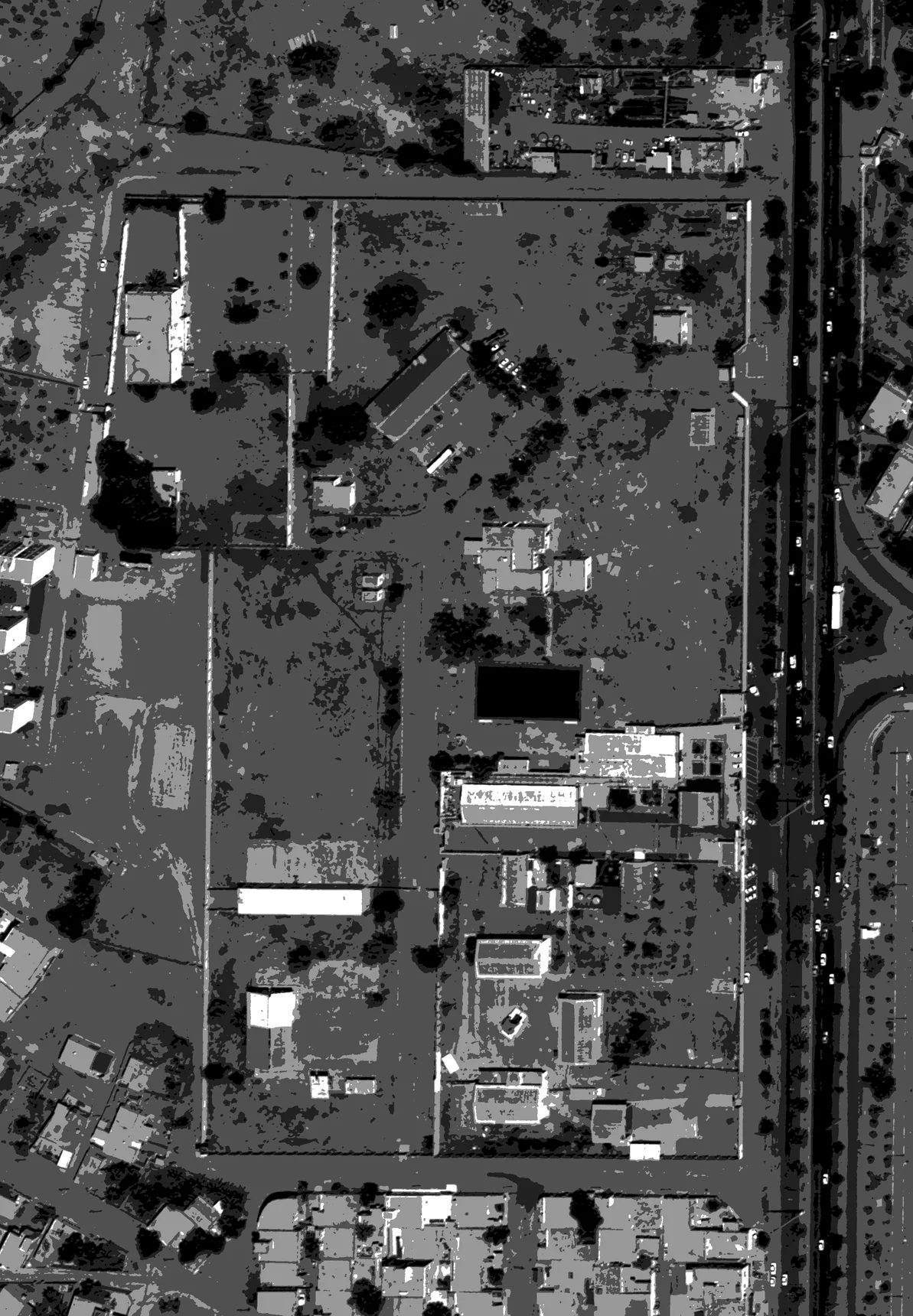
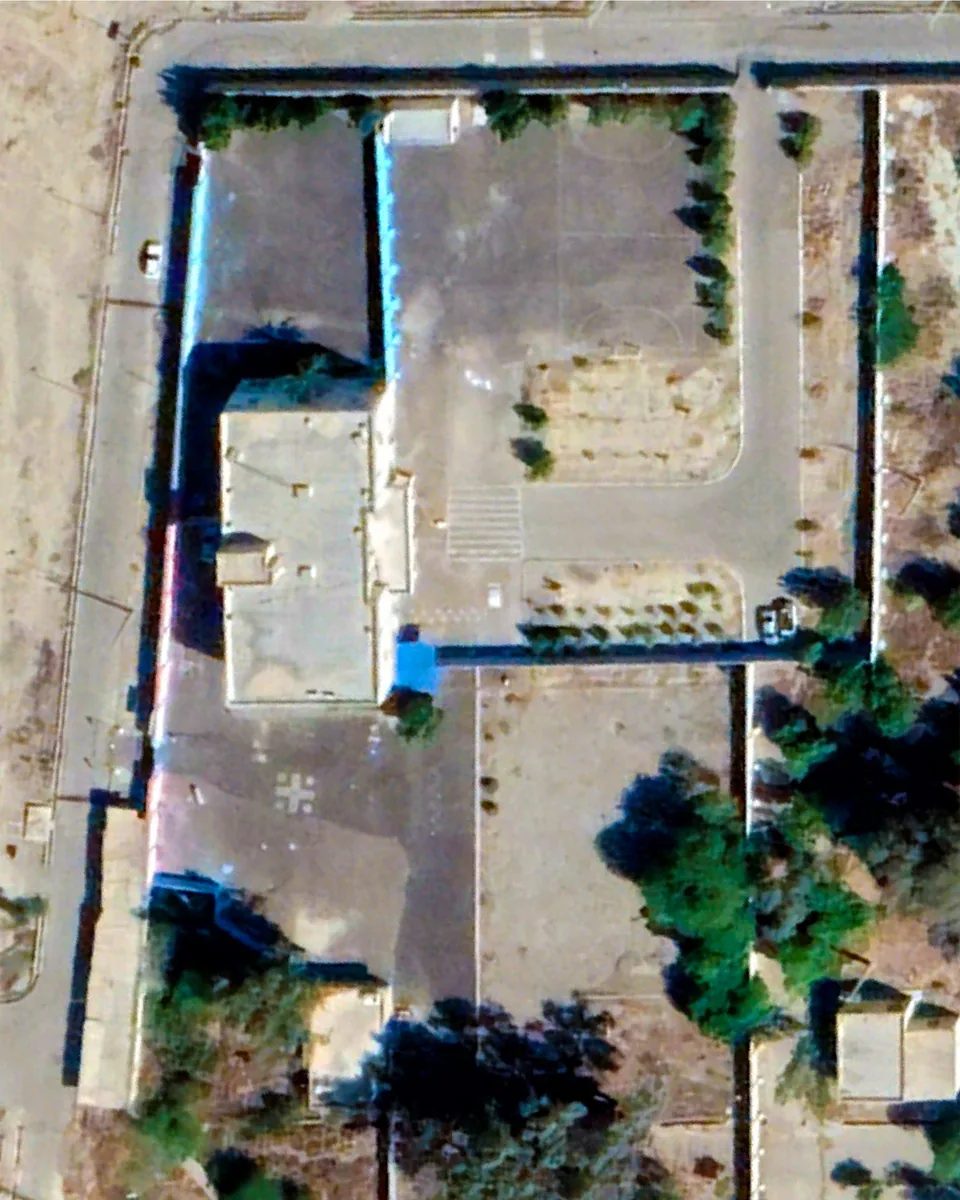
Two Tomahawk missiles hit the Shajarah Tayyebeh Elementary School in Minab, about 1,300 kilometers south of Tehran. Officials involved in the probe, who asked not to be named, described a cascade of preventable failures rather than one catastrophic decision. The report, ordered by Admiral Brad Cooper of US Central Command, has been all but complete for months but is not public.
What the investigation found
Officials said the Trump administration's demand for an overwhelming aerial assault, with more than 1,000 Iranian targets hit in the first 24 hours, compressed the time available to finalize target lists. Most of the Pentagon's civilian harm mitigation teams had been dismantled, their headcount cut by roughly 90% to fewer than 20 people; Centcom's team went from 10 to one. No civilian-harm specialist reviewed the Minab site before the strike.
The compound had been catalogued years earlier as an Islamic Revolutionary Guard Corps facility and was never reclassified. Targeting officials used satellite imagery that had not been updated in seven years and did not show a school, according to The New York Times. Walls and entrances separating the school from the military base were visible from space by 2017.
The AI factor
Some personnel at US Central Command relied too heavily on the artificial intelligence built into Maven Smart System, the Palantir Technologies software that fuses more than 150 data inputs to support targeting, officials said. Palantir said it is not responsible for the underlying data or for identifying intelligence deficiencies. After the strike the company added functions that re-review intelligence to flag factors that would disqualify a target, work that has already caught anomalies, a person familiar with the matter said.
Accountability
The UN's Independent International Fact-Finding Mission on Iran said the US failed in its obligation to do everything feasible to verify that the school was a military target, a failure that went beyond negligence. Washington has not publicly accepted responsibility. More than 120 House Democrats asked Defense Secretary Pete Hegseth in March about AI's role in identifying the site.
SiTech — AI-powered web development
We build fast, modern websites and bring AI into real business workflows. Have a project or a question? We'd love to help.