Pentagon Probe: AI Overreliance and Stale Intelligence Contributed to Iran School Strike
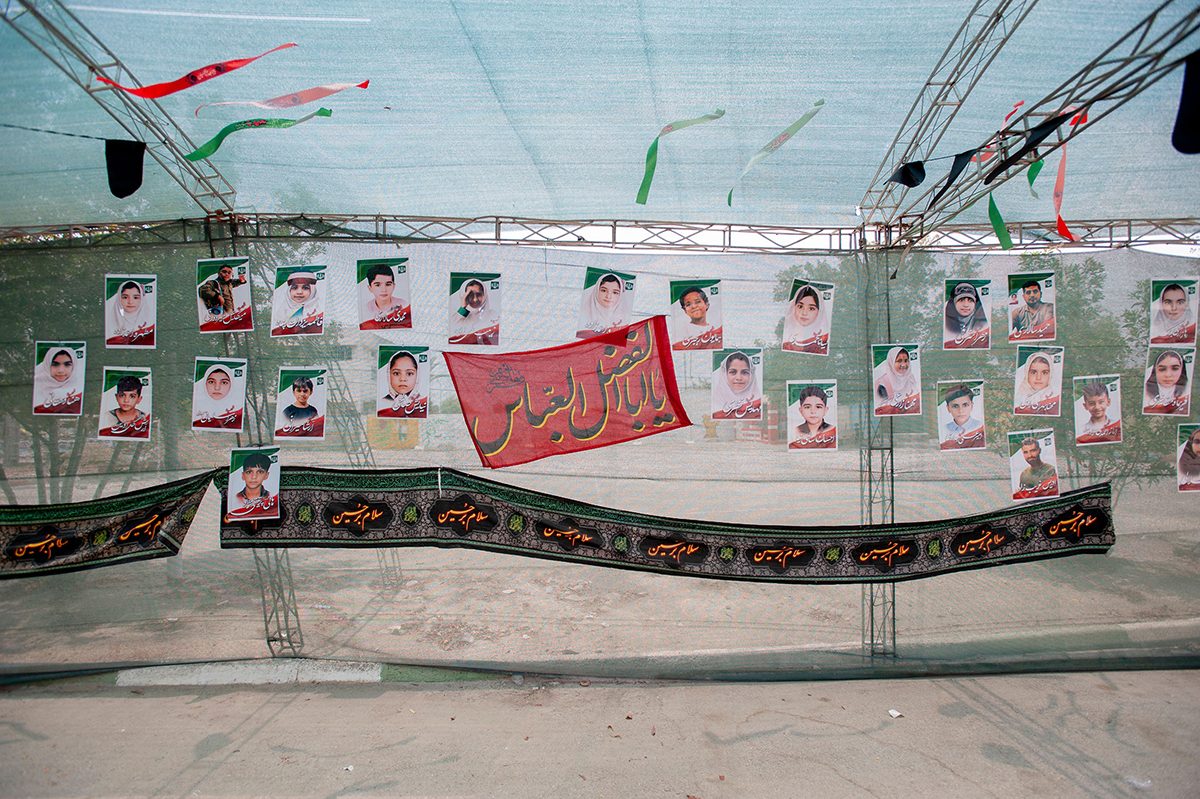
A Pentagon internal investigation found that flawed intelligence, outdated satellite imagery and an overreliance on AI contributed to the Feb. 28 strike on a school in Minab, Iran, that killed more than 150 people, including at least 123 children.
Within hours of the Feb. 28 missile attack on a school in southern Iran, some Pentagon personnel already knew the US was responsible, officials involved in an internal investigation told Bloomberg. It found a cascade of preventable failures.
Two Tomahawk missiles struck the Shajarah Tayyebeh Elementary School and its grounds in Minab, killing more than 150 people, including at least 123 children. By child casualties, it is the deadliest US military targeting error of the 21st century.
A cascade of failures
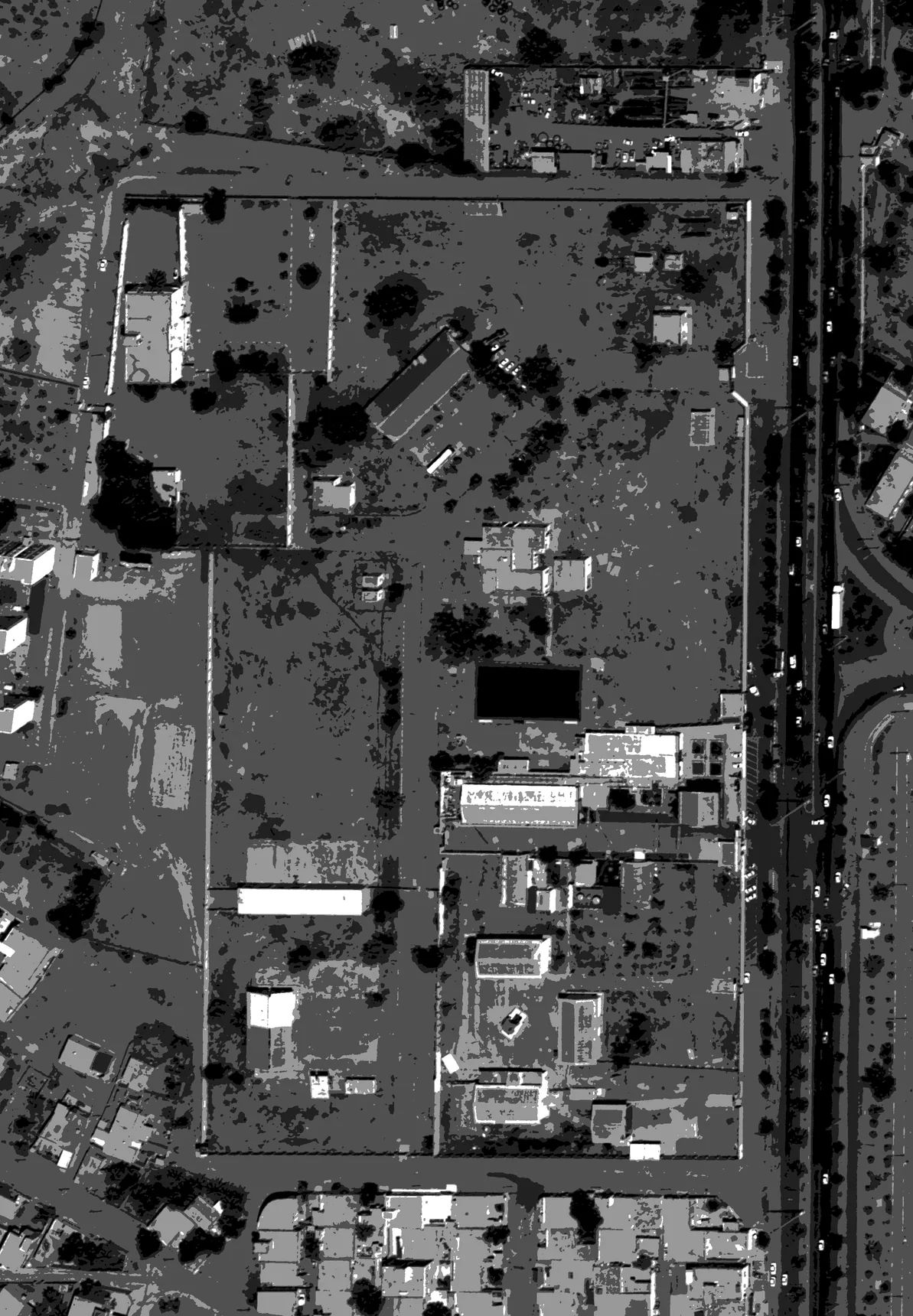
The strike resulted not from a single catastrophic decision but from an accumulation of smaller ones. In the final days of February, more than 1,000 Iranian targets were hit in the first 24 hours alone, compressing the time to finalize targets.
That urgency combined with gaps in the site's information, cuts to civilian-protection personnel and an overreliance on AI. Civilian harm mitigation teams had been cut by roughly 90%; Centcom's went from 10 people to one. No such team reviewed the Minab site.
Maven and the kill chain
Inside Centcom, some personnel relied too much on the AI embedded in Maven Smart System, made by Palantir Technologies, the officials said. Maven fuses more than 150 data inputs; work that once took hours took minutes.
A Palantir spokesperson said the company “is not responsible for the underlying data.” After the strike, Palantir added features to Maven that re-review intelligence and flag inconsistencies that human review may have missed.
Outdated imagery and accountability
US officials have said outdated intelligence was a problem. The site had been catalogued years earlier as a military compound, but changes visible on satellite imagery since 2017 were never reflected in the targeting database. Investigators focused on the Defense Intelligence Agency's failure to reclassify the site.
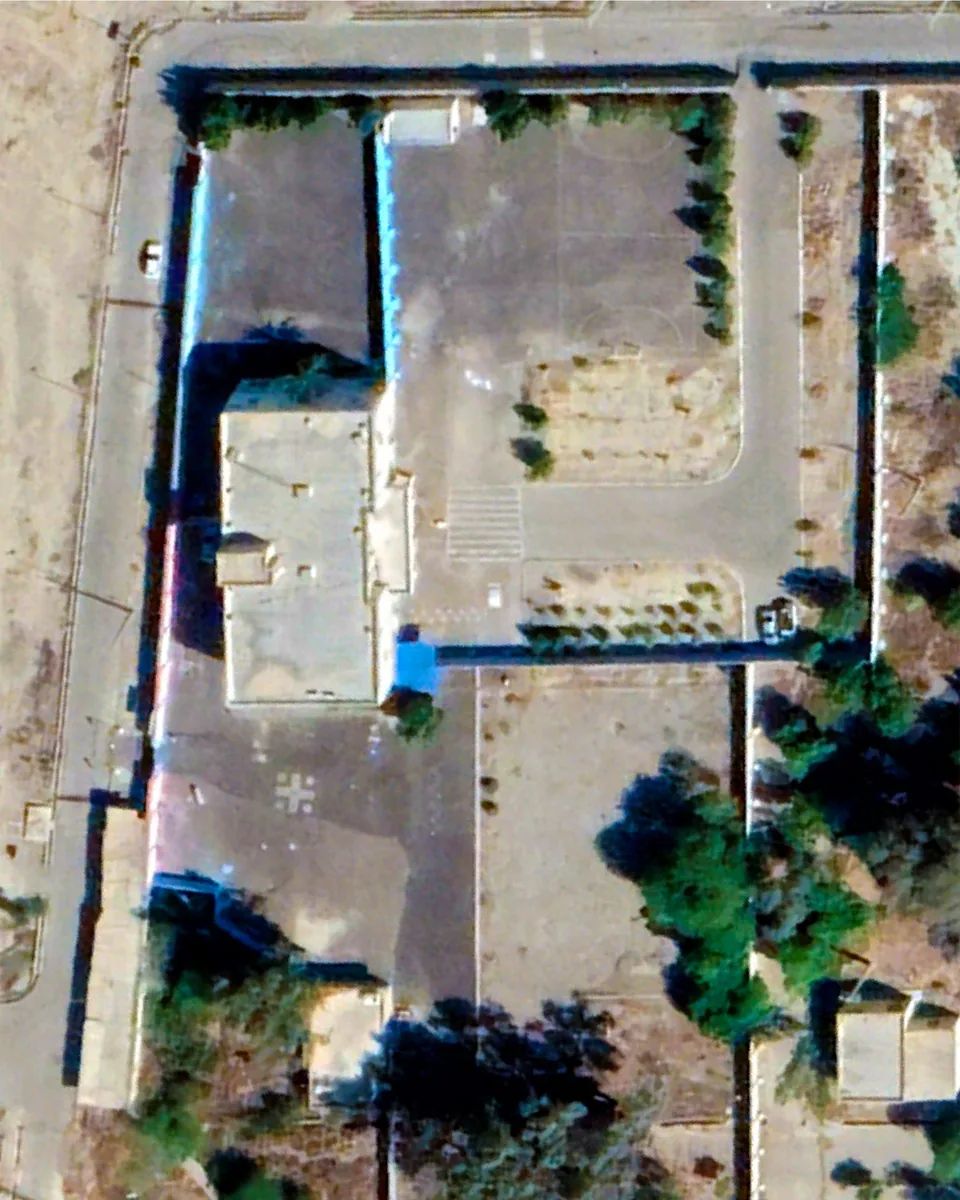
United Nations investigators said there were reasonable grounds to conclude that the strike, and another US attack the same day, amounted to war crimes: the US “failed in its obligation to do everything feasible to verify” the target — a failure that “went beyond negligence.”
The US has yet to publicly accept responsibility. A Pentagon spokesperson said the incident remains under investigation; a senior administration official said: “The United States does not target civilians.” The full report on the probe has not been released.
SiTech — AI-powered web development
We build fast, modern websites and bring AI into real business workflows. Have a project or a question? We'd love to help.