Washington Post: US and Russia worked to weaken a UN pact on AI weapons
A Washington Post investigation says US and Russian diplomats stripped safeguards from a UN draft on lethal autonomous weapons, including a rule that humans review AI-selected targets.
The Washington Post published an investigation on 26 September into how the United States and Russia worked to weaken a UN agreement on lethal autonomous weapons. According to the paper, the delegations stripped a range of safeguards from the draft text, including a requirement that humans review targets selected by AI. The talks in Geneva marked the furthest progress yet toward a potential treaty.
What happened in Geneva
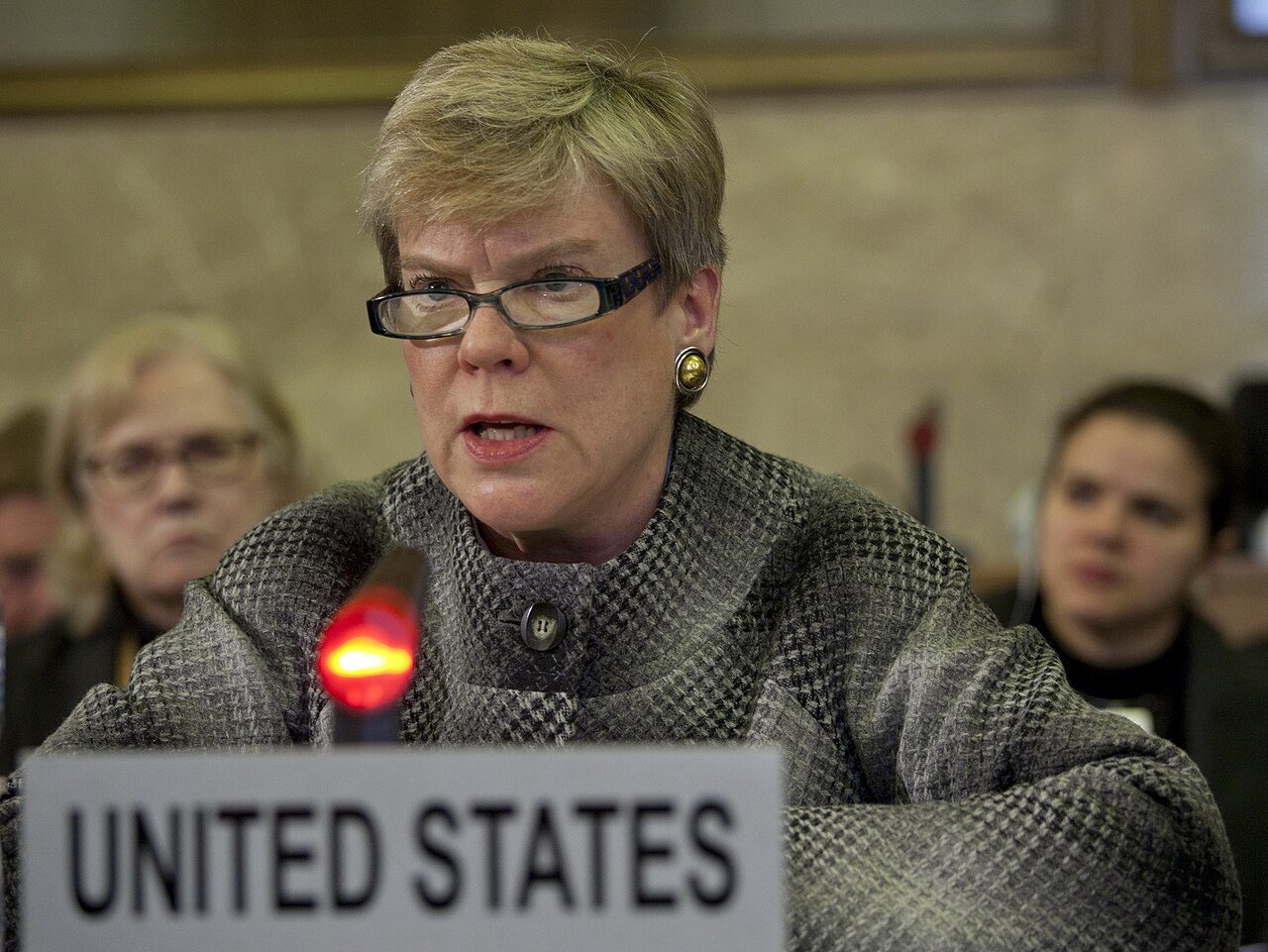
According to the investigation, hundreds of diplomats gathered early in September in a large UN conference room in Switzerland to work toward a strong treaty regulating lethal autonomous weapons. On the last day of negotiations, the talks turned aggressive.
Reuters reported on 4 September, citing three diplomats, that the 128 states party to the Convention on Certain Conventional Weapons (CCW) were deciding whether to agree on a non-binding text that could open the way to negotiations on bans and rules for lethal autonomous weapons systems (LAWS). A majority supported the draft, but the United States and Russia proposed late changes and deletions. “The window is getting smaller to getting an agreement,” one diplomatic source told Reuters. Neither mission in Geneva commented.
Two camps
The US position hardened over the past six months, a senior diplomat told Reuters: Washington favours guidelines rather than a legally binding international treaty, arguing that international humanitarian law already provides a framework for the conduct of warfare. Russia, India and Turkey back that approach. Brazil, Ireland and several African states support binding rules and say safeguards are needed to ensure meaningful human control. Two diplomats said at least six countries received formal diplomatic approaches from Washington.
Concerns have grown about semi-autonomous weapons that can identify and engage targets in conflict zones such as Ukraine, Sudan and the Middle East. Human Rights Watch and the Stop Killer Robots campaign warn that such systems, some of them AI-assisted, may behave unpredictably and raise the risk of fatal errors. In August, UN Secretary-General António Guterres and Red Cross President Mirjana Spoljaric warned the world was nearing a moral red line where weapons could kill without human involvement.
What comes next
The next milestone is the CCW Seventh Review Conference in Geneva on 16-20 November 2026. States agree that international humanitarian law applies to LAWS, but binding international standards for such systems remain virtually non-existent.
SiTech — AI-powered web development
We build fast, modern websites and bring AI into real business workflows. Have a project or a question? We'd love to help.