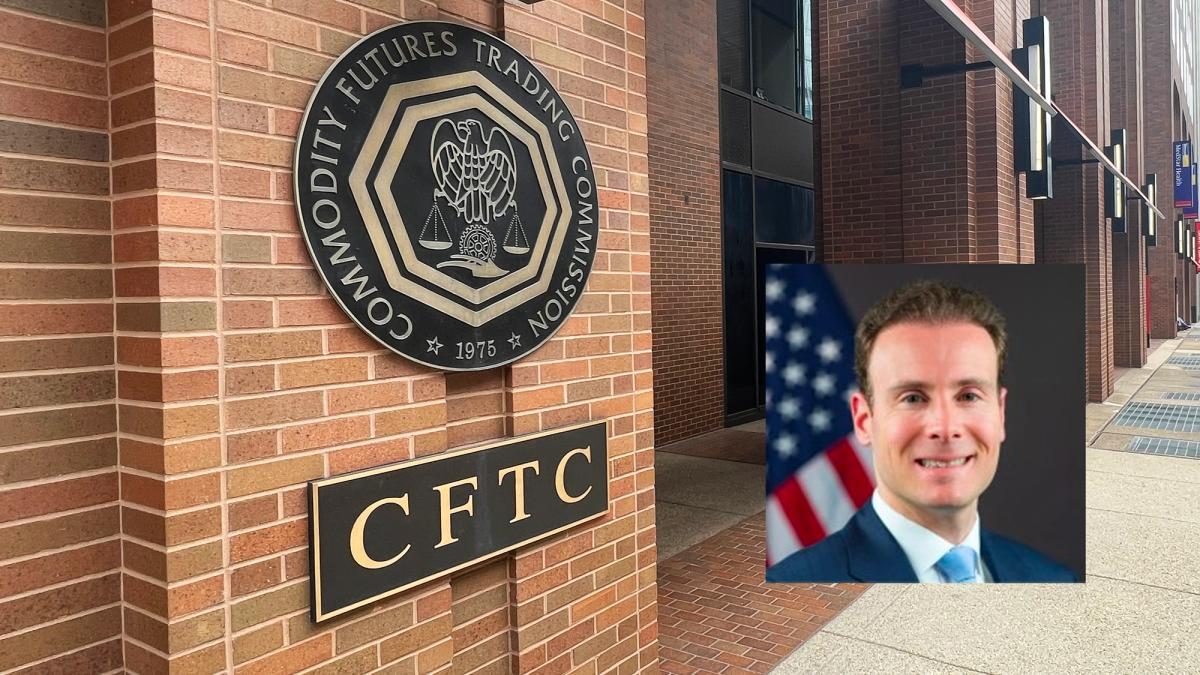
CFTC Sues Utah to Protect Kalshi Prediction Market Betting
The CFTC has sued Utah to block the state's effort to stop Kalshi from offering prediction market betting to residents, arguing federal authority preempts state law in a dispute over gambling restrictions.
The U.S. Commodity Futures Trading Commission has sued Utah to protect Kalshi's ability to offer prediction market betting in the state, where gambling is illegal. The agency is asking a court to stop the Utah attorney general's enforcement effort from last week that was meant to restrict Kalshi from offering gambling to Utah residents. The CFTC said on Tuesday that it filed its own lawsuit after Utah has so far prevailed against Kalshi in federal court.
Dispute in Utah
Utah has been pursuing a legal effort to halt Kalshi's offerings there, and Attorney General Derek Brown said last week that anyone offering gambling to Utahns is on notice that it is illegal in Utah and that no Utah law authorizes it. Brown accused Kalshi of running an online casino. Gambling is illegal in the state and is constitutionally banned.
CFTC Chairman Mike Selig said event contracts serve hedging and investment purposes and provide the public with information about the outcome of future events. He also defended what he sees as his agency's legal role as the sole regulator of prediction markets. The CFTC argues that its federal authority preempts the state's authority.
Mixed rulings across courts
The matter of the dispute between states' legal rights and federal preemption has grown increasingly complicated due to conflicting rulings from various courts. Three federal appellate courts have issued two decisions that sided with the states and one that went Kalshi's way. In Utah, a U.S. district court judge sided with the state in a case that is also under appeal.
Broader fight over prediction markets
The CFTC is currently battling 10 states in court and has been filing legal arguments across the full spectrum of the judicial system. The agency has also seen its legal staffing cut as the administration of President Donald Trump has sought to reduce U.S. regulatory forces. The CFTC has pursued more than a dozen legal actions to protect what its chief sees as its sole power over prediction markets.
Former CFTC chairman Gary Gensler filed a brief with the U.S. Supreme Court to argue that Selig's read is wrong. Gensler said the Dodd-Frank Act the agency uses as its legal justification did not transfer jurisdiction over sports betting from the states to the CFTC. One of the authors of the Dodd-Frank Act, former Senator Chris Dodd, similarly filed an amicus brief agreeing with the state view.
Sources: CoinDesk
SiTech — AI-powered web development
We build fast, modern websites and bring AI into real business workflows. Have a project or a question? We'd love to help.