The Pentagon wants $30 million for an AI-powered lie detector
The US Department of Defense has requested $30.3 million over five years for "Polygraph+", a lie detector that would use AI and standoff sensing. Experts say the combination mixes uncertainty with invalidity.
The US Department of Defense wants to spend $30.3 million over five years on an improved lie detector. The program, called "Polygraph+" or "Polygraph Next", appears in a budget request first reported by Inside Defense; Congress has not yet approved it.
AI scoring and standoff sensing
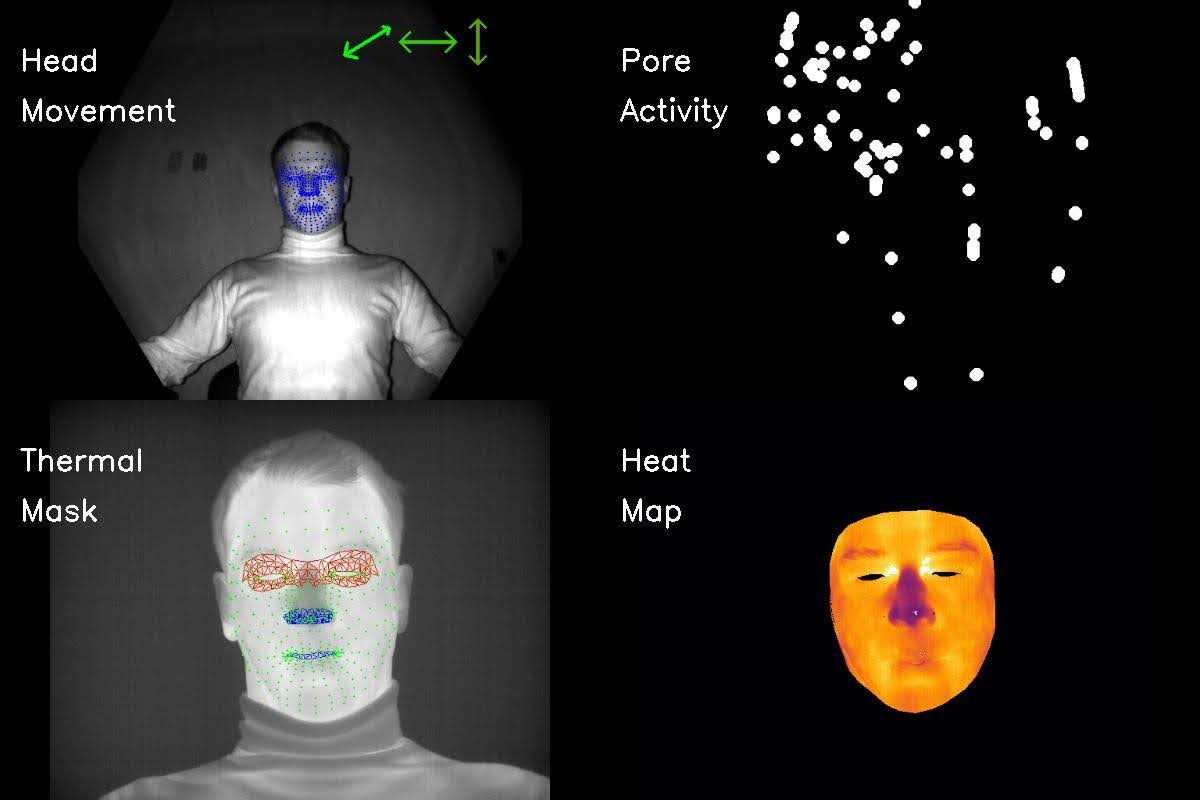
The budget document says the money would go to scoring algorithms based on artificial intelligence and machine learning, and to "standoff sensing", which reads physiological signals without attaching a device to a person. The program would be run by the Defense Counterintelligence and Security Agency (DCSA); it is meant for vetting prospective employees and for "insider threat detection". The DCSA has not said which technologies it will use.
Polygraphs in the hunt for leakers
The request comes amid tension inside the department. Under Defense Secretary Pete Hegseth, the Pentagon has increasingly used polygraphs to find the sources of alleged leaks to the press; in September the New York Times reported that about 50 officers on the Joint Staff were tested after coverage of depleted US weapons stockpiles in the war with Iran.
Why experts doubt it
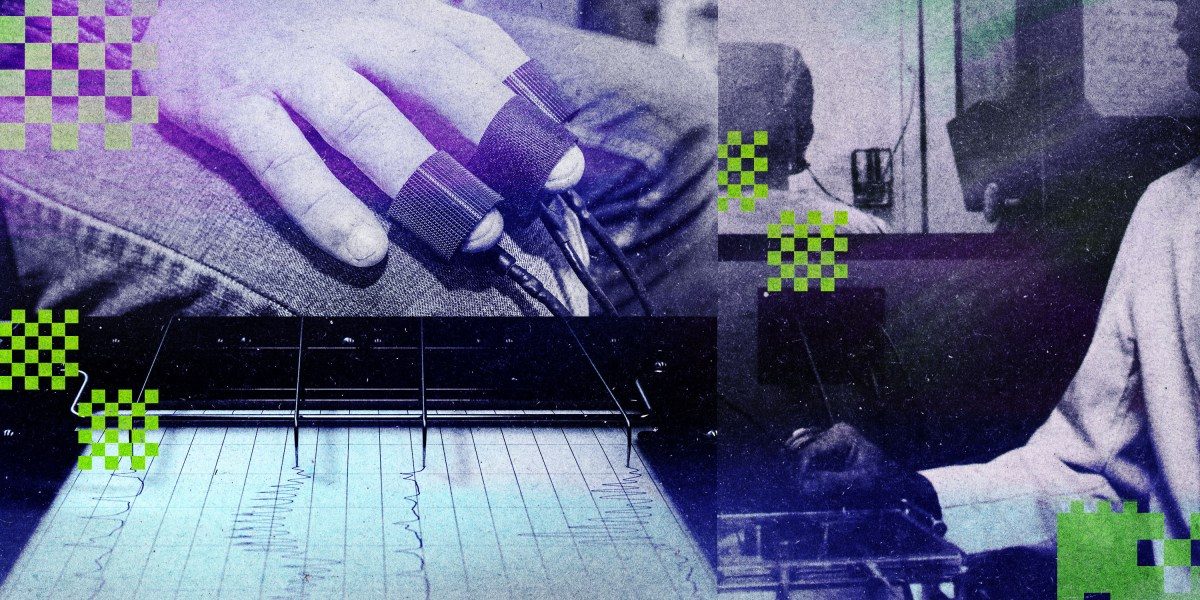
Polygraph technology has barely changed since the 1920s: examiners read blood pressure, pulse, breathing and sweat. The government runs tens of thousands of tests a year, but the polygraph has been repeatedly debunked and its results are rarely admissible in court. In 2003 the US National Research Council called the evidence on its efficacy "weak at best".
People spot a lie unaided slightly more than half the time. The American Polygraph Association claims 80-94% accuracy, but the NRC noted that even such a test would produce many mistakes: the DoD employs 2.8 million people. With training, interviewees can also learn to beat the test.
"If you know how it works, you can beat it," says Sophie van der Zee, who studies deception at Erasmus University in Rotterdam. The machine's main effect is deterrence: people often confess before it begins, but only if they believe it works. "There is still no Pinocchio's nose," she says.
AI might find patterns examiners miss and combine several measurements into one deception score that is harder to game. Kyri Kotsoglou of Northumbria Law School calls combining AI with the polygraph "the worst of both worlds". Marion Oswald, a law professor, says there is no ground truth, and fears the tools will be used to intimidate staff and force confessions.
SiTech — AI-powered web development
We build fast, modern websites and bring AI into real business workflows. Have a project or a question? We'd love to help.