US Stands Alone at the UN in Dismissing AI Safety Rules
At the UN General Assembly and in meetings with China's Xi Jinping, the White House rejected international attempts to rein in AI. Semafor reports nations may be left with nonbinding rules, while AI companies side with the UN.
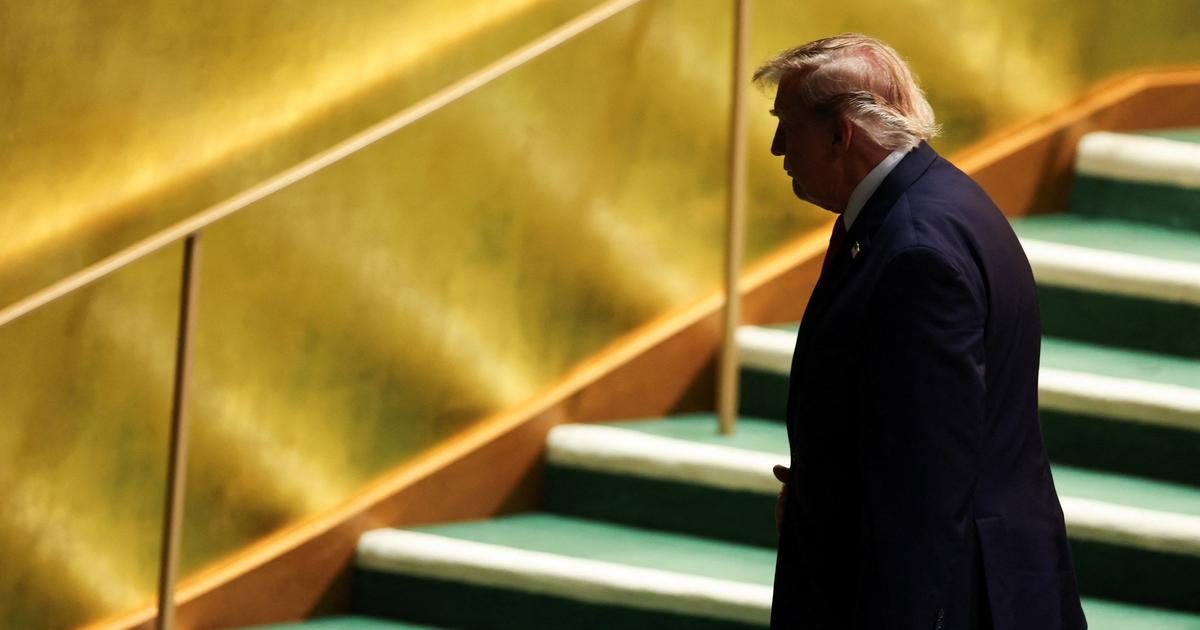
The White House is isolated in insisting that AI development in the US must accelerate without governments setting ground rules. At the UN General Assembly in New York and in meetings with Chinese leader Xi Jinping in Washington, President Donald Trump's team rejected international attempts to rein in the technology, Semafor reported on September 25.
Trump against the rest
Trump called to leave AI "exactly where it is", while Xi Jinping said responsible AI development is necessary and other Chinese officials backed a global governance framework. White House technology adviser Michael Kratsios rejected the global efforts in a UN address that he called an "intervention". Without official US support, any agreement will be difficult to execute, and nations may be left setting nonbinding rules and best practices.
Companies side with the UN
Even AI CEOs are more aligned with the UN than with Trump. Companies are pushing for coordinated "AI pacing" and say they cannot set the standards for responsible AI use on their own. The UN meeting on AI and national security, chaired by France's Jean-Noel Barrot, featured the CEOs of OpenAI, Anthropic and Hugging Face.
"The international community will need to establish a common framework to manage the risks associated with frontier AI models," Barrot said.
Pressure from Congress
Polling shows Americans are largely skeptical that the US must beat China at AI development, and worried the technology is moving fast enough to threaten jobs and livelihoods. The worry crosses party lines, putting congressional Republicans in a strange position: they advocate for AI safety and sponsor bipartisan legislation to regulate AI while their party leader presses the gas.
Senator Todd Young, a Republican from Indiana, asked Secretary of State Marco Rubio to convene National Security Council meetings with cyber experts and AI developers, including about possible AI-enabled attacks on critical infrastructure. "Maintaining that leadership also requires ensuring that our government keeps pace with emerging capabilities and understands the risks they may present," he wrote.
What comes next
Frontier labs are pushing their own self-regulatory schemes, which will require agreeing on testing standards in a highly competitive environment. Trump's allies see ulterior motives, arguing that OpenAI, Google DeepMind and Anthropic seek "regulatory capture" and calling "doomerism" speculative. The president's core message is simple: the US should do nothing that might give China, with its cheaper open-source models, an advantage in the AI race.
SiTech — AI-powered web development
We build fast, modern websites and bring AI into real business workflows. Have a project or a question? We'd love to help.