Trump administration's AI Medicare pilot: denials, delays and expansion plans
Federal documents obtained by the EFF show that WISeR, an AI pilot deciding whether Medicare pays for care, was rolled out too fast: contractors missed deadlines and one denied more requests than it approved, while denials earn companies payments.
Federal documents obtained by the Electronic Frontier Foundation (EFF) amid litigation detail a rushed rollout, long delays and high denial rates in the Trump administration's WISeR program, which uses artificial intelligence to decide whether Medicare pays for care for seniors. The pilot launched in January, runs to the end of 2031 and is set to expand, per Ars Technica.
What WISeR does
WISeR (Wasteful and Inappropriate Service Reduction) applies AI and machine learning to prior authorization, which requires a contractor's approval before Medicare pays for care. It began in six states: New Jersey, Ohio, Oklahoma, Texas, Arizona and Washington. CMS says the model aims to ensure "appropriate Medicare payment" and reduce "fraud, waste and abuse." About a dozen services now require pre-approval, among them nerve stimulation, epidural steroid injections for pain and treatments for incontinence.
Delays, denials and a corrective plan
The documents show the technology wasn't ready: vendor Innovaccer asked to delay the rollout, then temporarily auto-approved all requests; Zyter had data discrepancies for months. Virtix denied more than it approved, reviewing 6,096 requests by March 30 and denying 3,233 (53 percent). Decisions often blew past the 72-hour target; one request was pending after 83 days. In June, CMS put Virtix on a corrective plan over the missed window, which ended August 14, the company said. In May, the Government Accountability Office found the program was not set up according to proper procedure, questioning its legality.
Financial incentives, a Senate hearing and expansion
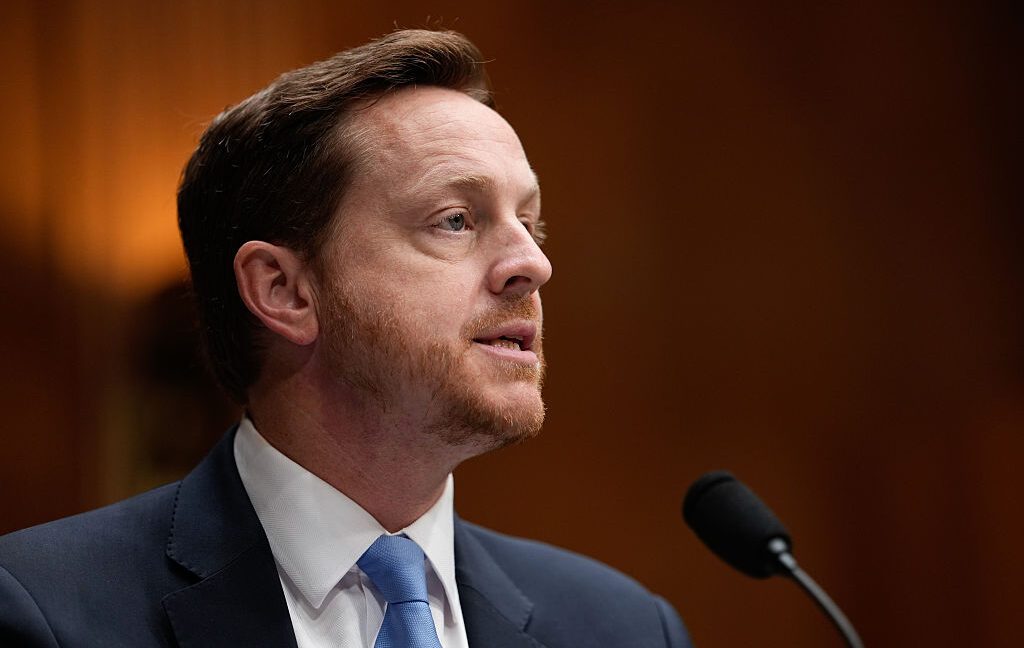
CMS planning documents describe a "novel payment approach" that pays participants "based on a share of averted expenditures": for each denial, the company receives 25 percent of the regional benchmark cost. A quality adjustment barely changes that: even a company scoring below 60 percent still receives 90 percent of the share. A CMS Office of the Actuary memo said participants "will have an incentive to deny as many claims as possible." At a Senate hearing, Sen. Patty Murray (D-Wash.) asked Chris Klomp, Trump's nominee for Deputy Secretary of HHS, whether contractors profit from denials; "My understanding is no," he replied. Just 11.5 percent of denials are appealed, though 80 percent of appeals overturn the denial.
Expansion plans and pushback
Per the documents, the administration plans to extend WISeR from cancer care to air ambulance transport, advanced imaging such as MRIs, pacemakers and genetic tests. Murray said she would do everything she can to stop it. Rep. Suzan DelBene (D-Wash.) forced a committee vote on releasing more documents; Republicans voted it down. One Ohio clinician, the documents show, called the program "a disgrace to the human race."
SiTech — AI-powered web development
We build fast, modern websites and bring AI into real business workflows. Have a project or a question? We'd love to help.