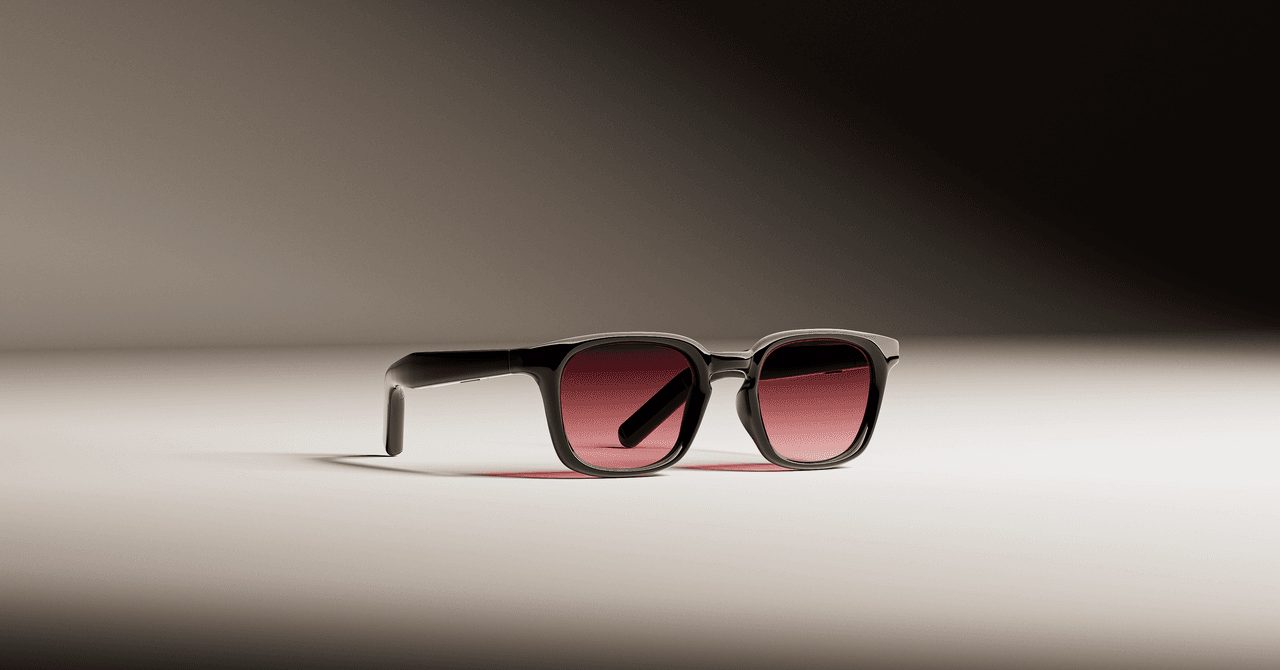
Viture's Vonder glasses drop the display to build a memory graph
Viture has announced Vonder, its first smart glasses with no display and no cameras. The $299 frames use bone-conduction sensors to turn what the wearer says into a personal memory graph, with preorders opening September 28.
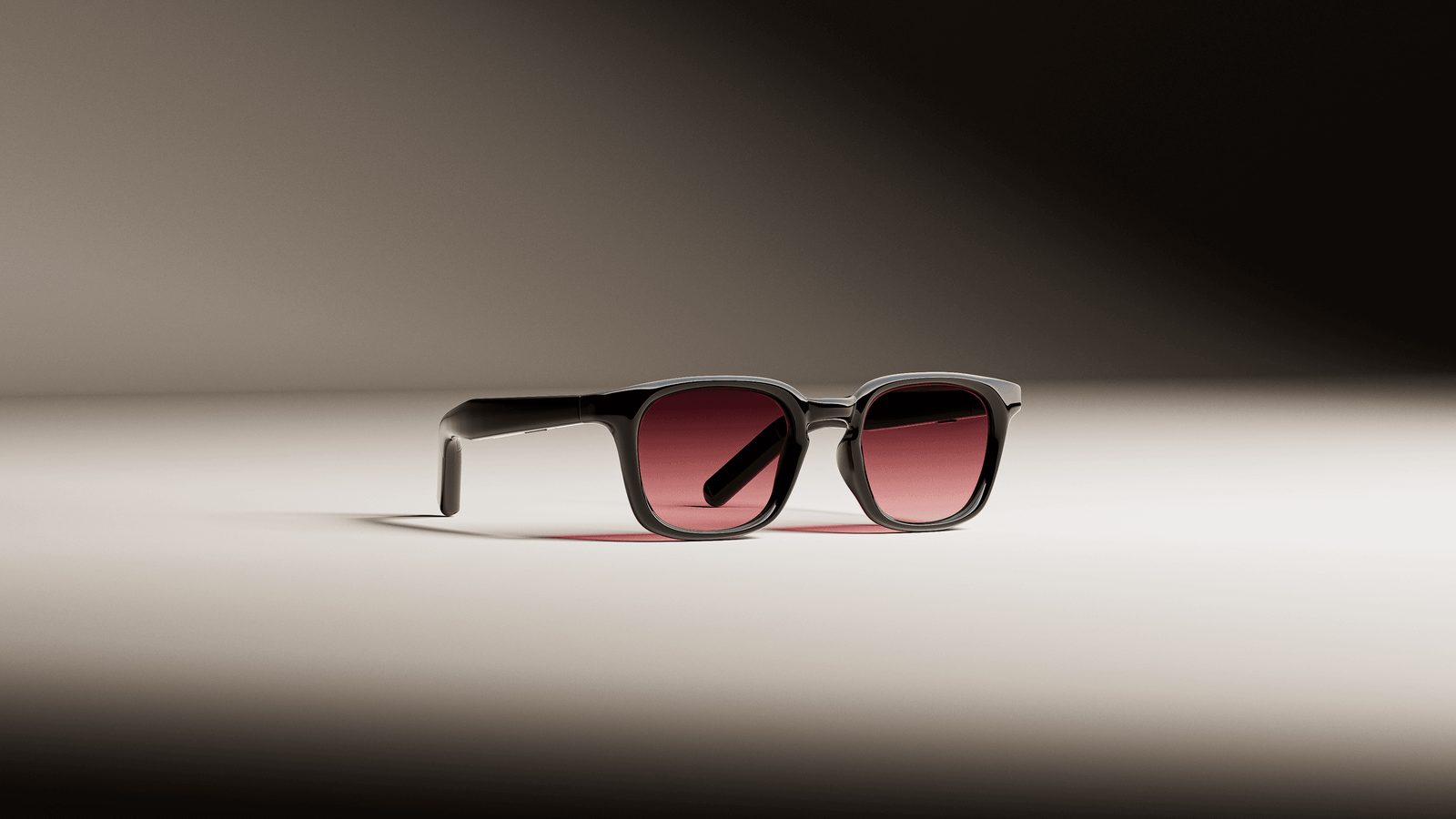
Viture, the San Francisco company known for plug-in virtual display glasses, has announced its first pair of spectacles with no display at all. Called Vonder — "wonder" with a V — the new frames look like ordinary glasses, carry no cameras, and assemble what the wearer says into a personal memory graph.
The announcement came on Tuesday. Viture, now co-headquartered in California and Beijing, previously built USB-C devices such as the Viture One and Viture Beast, which project a screen in front of the eyes and were aimed mostly at gamers.
What the glasses do
The arms hold microphones and speakers, so the Vonder can play music, read out map directions and handle phone calls. A built-in assistant draws on several large language models — OpenAI's ChatGPT, Anthropic's Claude, Google's Gemini and DeepSeek — picking the fastest and cheapest for each task. Battery life is about 16 hours.
The glasses cost $299, can be fitted with prescription lenses, and come with clear, transition or shaded lenses. Preorders open on September 28, with shipping in November.
A memory graph, not a transcript
Most of the time the Vonder collects audio only while the wearer is speaking: bone-conduction sensors in the frame pick up the vibrations of the user's own voice. A separate meeting mode records the surrounding room through the onboard microphones, and a blue dot on the arms lights up during recording.
From that input the assistant builds a memory graph — coffee shops visited, sports played, plans discussed — shown as a web graphic in the companion app. In a demonstration, Viture's CEO, Jiang, said the pair he was wearing had tracked three months of his life, answering questions about his caffeine preferences or explaining a stretch of stress.
"We just want to mimic the way your brain works," he said. "This is not a transcript or a summary."
Privacy and a one-sided record
Viture positions the product against camera-equipped rivals, above all Meta's Ray-Ban glasses, and says the Vonder should be first of all a good pair of glasses — one that can be worn without drawing suspicion.
The obvious limitation is that the record is one-sided: only the wearer's voice is captured passively, so the graph reflects a single perspective on any conversation. The CEO said people tend to repeat what others say as a conversation turns, so only about 10 to 15 percent of the context is lost.
He also described the glasses flagging his own behaviour: after recognising a pattern of shouting criticism at his son during tennis tournaments, the assistant messaged him to stop and simply be present.
SiTech — AI-powered web development
We build fast, modern websites and bring AI into real business workflows. Have a project or a question? We'd love to help.