Data centers lost the midterms as voters backed restrictions
Voters across the country backed ballot measures and candidates favoring restrictions on data centers, signaling a tougher building environment for AI infrastructure.
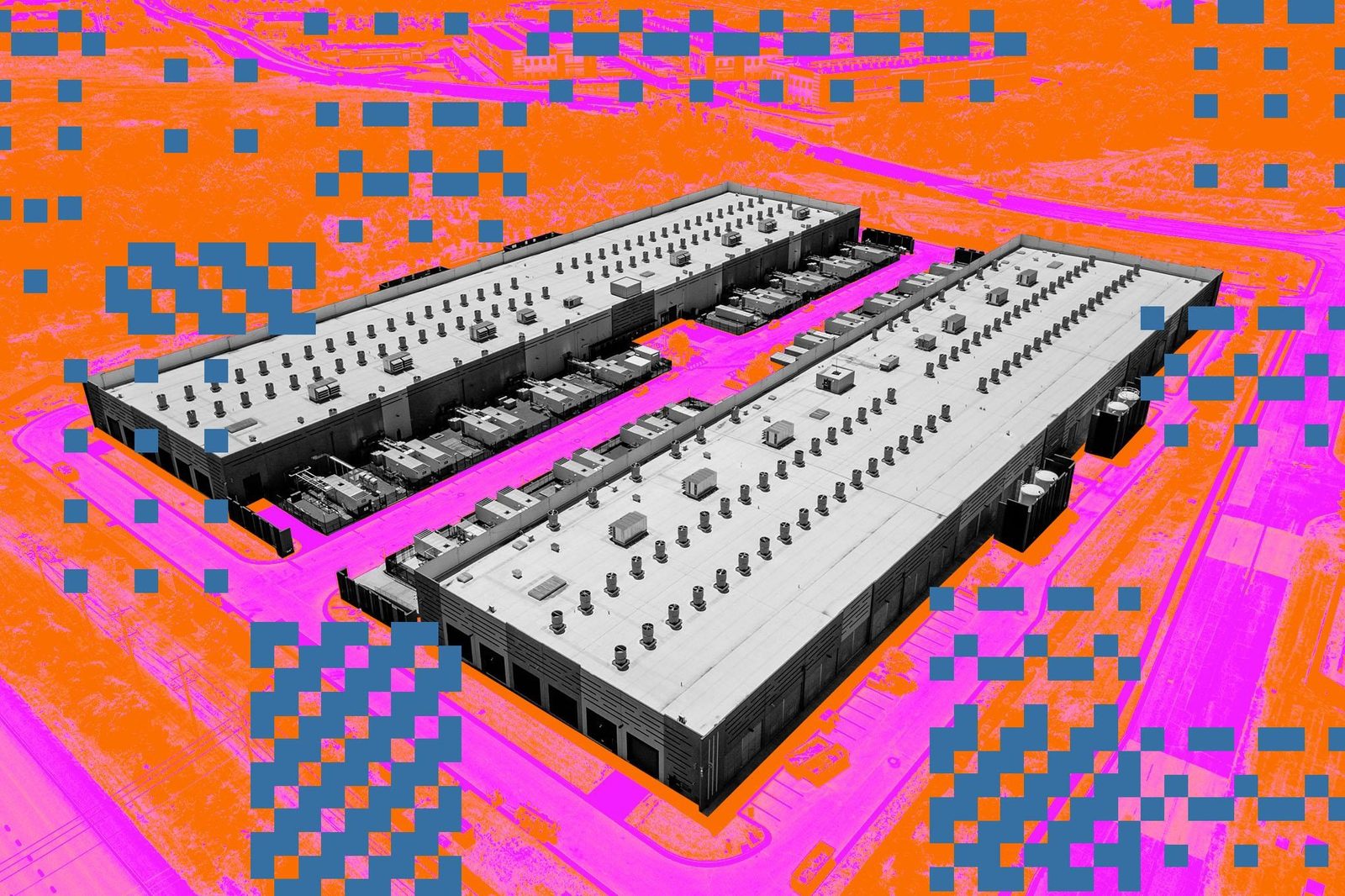
Data center developers face a more restrictive building environment after voters across the country backed candidates who favor moratoriums and ballot measures that add obstacles to expansion. An NBC News Election Day poll found 76 percent of voters opposed data centers in their communities, and dozens of local communities voted directly to restrict development. The results delivered a stinging blow to a central pillar of the AI industry.
Ballot measures put new limits on development
Voters faced data center questions directly in 45 local ballot measures nationwide. As of Wednesday morning, results from 33 of those measures will restrict data center development, according to a site compiled by Redbud Consulting. The Town of Wells, Maine, favored a 180-day moratorium on large data centers backdated to mid-June 2026. Several Ohio cities voted to ban data centers over 25 megawatts, while El Dorado, Kansas, voted to ban data centers with peak electrical load over 10 megawatts for 10 years.
Governor and Senate races turned on data centers
In Texas, Democratic state Rep. Gina Hinojosa won the governor's seat from Republican incumbent Greg Abbott in a major Democratic flip in a state with the second-highest number of planned data centers. Hinojosa supports a statewide moratorium, while Abbott took a more measured approach and announced an audit this summer that could slow new developments from connecting to the state energy grid. In another Texas upset, Democratic State Rep. James Talarico flipped a Senate seat against Attorney General Ken Paxton; both wanted to remove some tax exemptions for data centers and make them responsible for their own energy infrastructure-related costs, though Talarico emphasized environmental impact and profit sharing while Paxton focused on keeping Chinese tech out of data centers.
Other races show pressure for guardrails
In Florida, Republican Byron Donalds won the governor's race over Democrat David Jolly with exactly 50 percent of the vote as of Wednesday morning, with 99 percent of expected votes counted, while Jolly had 48.7 percent and the rest went to an independent candidate. Donalds opposed an outright ban and introduced the Protecting Ratepayers Act, while Jolly said he would bar hyperscalers for a year beginning on day one. In Ohio, Democrat Sherrod Brown won back his Senate seat from Republican Jon Husted, whom Brown labeled 'the face of data centers'; Brown has not called for a moratorium but said developers should not get tax breaks or proceed without local input. Michigan Democrat Abdul El-Sayed won a Senate race after calling for a pause on new developments until they can be done safely with federal protections, while Republican Mike Rogers called for a one-year state moratorium. Maine Democrat Troy Jackson ousted Republican Sen. Susan Collins after supporting a state moratorium, while Collins opposed such a measure but called for more local control and protection for energy ratepayers. Wisconsin Democrat David Crowley won the governor's race while saying he wanted to end state tax subsidies for data centers, though neither he nor Republican Tom Tiffany favored a moratorium.
Not every race went against development
Some candidates who favored more limited restrictions prevailed, including Donalds in Florida and Iowa Democratic Governor-elect Rob Sand, who opposed a moratorium his challenger favored, though both agreed on ending tax breaks. But even those candidates were forced to engage on data center issues during their campaigns and will likely face continued pressure to put at least some guardrails in place. In Nevada, Democrat Aaron Ford flipped the governor's seat after branding incumbent Joe Lombardo 'data center Joe,' while Ford now supports a pause on all tax breaks for new data centers.
Sources: The Verge · Tom's Hardware · Engadget
SiTech — AI-powered web development
We build fast, modern websites and bring AI into real business workflows. Have a project or a question? We'd love to help.